Let's be real about orgasms changing
Your orgasms aren't what they used to be. They feel smaller, or they take forever to arrive, or they arrive but without the peak you remember. Here's the thing: you're not imagining it, and you're definitely not alone. Orgasm intensity and timing shift throughout your life for reasons that have nothing to do with being broken.
But knowing it's normal doesn't make it less frustrating. If you've spent years with a particular pattern of pleasure, a sudden change feels like you've lost something.
Why orgasms soften or slow down
There are six major culprits, and most of them have a fix.
Hormonal fluctuation is the obvious one. Estrogen and testosterone both affect blood flow to genital tissue, nerve sensitivity, and how quickly your nervous system ramps up arousal. As hormone levels shift through your thirties, forties, or fifties, orgasm intensity naturally changes. This isn't permanent damage. It's a recalibration.
Medication side effects are massively underestimated. Antidepressants, blood pressure meds, antihistamines, and even some birth control formulations can dampen arousal or delay orgasm. If your shift coincided with starting something new, that's likely the culprit. Worth discussing with your doctor about timing your dose or switching.
Desensitization from repetition is real but fixable. If you've had the same type of stimulation for years, your nerve endings literally adapt. They stop responding with the same intensity because they're used to it. This is actually good news because it means changing the stimulus type usually restores sensation quickly.
Stress and distraction kill orgasm harder than almost anything else. When your nervous system is processing work anxiety, relationship strain, or just the cognitive load of adulting, your body downshifts arousal. Your brain is literally in a different gear.
Pelvic floor tightness sneaks up on you. Chronic tension in the pelvic floor muscles can actually reduce orgasmic intensity because those muscles need to contract rhythmically for a full orgasm. If they're already clenched from stress or sitting hunched at a desk, there's less room for them to do their job.
Reduced foreplay or warm-up time is the sneaky one. As relationships age or as your schedule tightens, foreplay often compresses. Your body needs actual time to build arousal. If you're jumping into things after five minutes instead of fifteen, your nervous system hasn't had time to fully engage.
How clitoral suction works differently than vibration
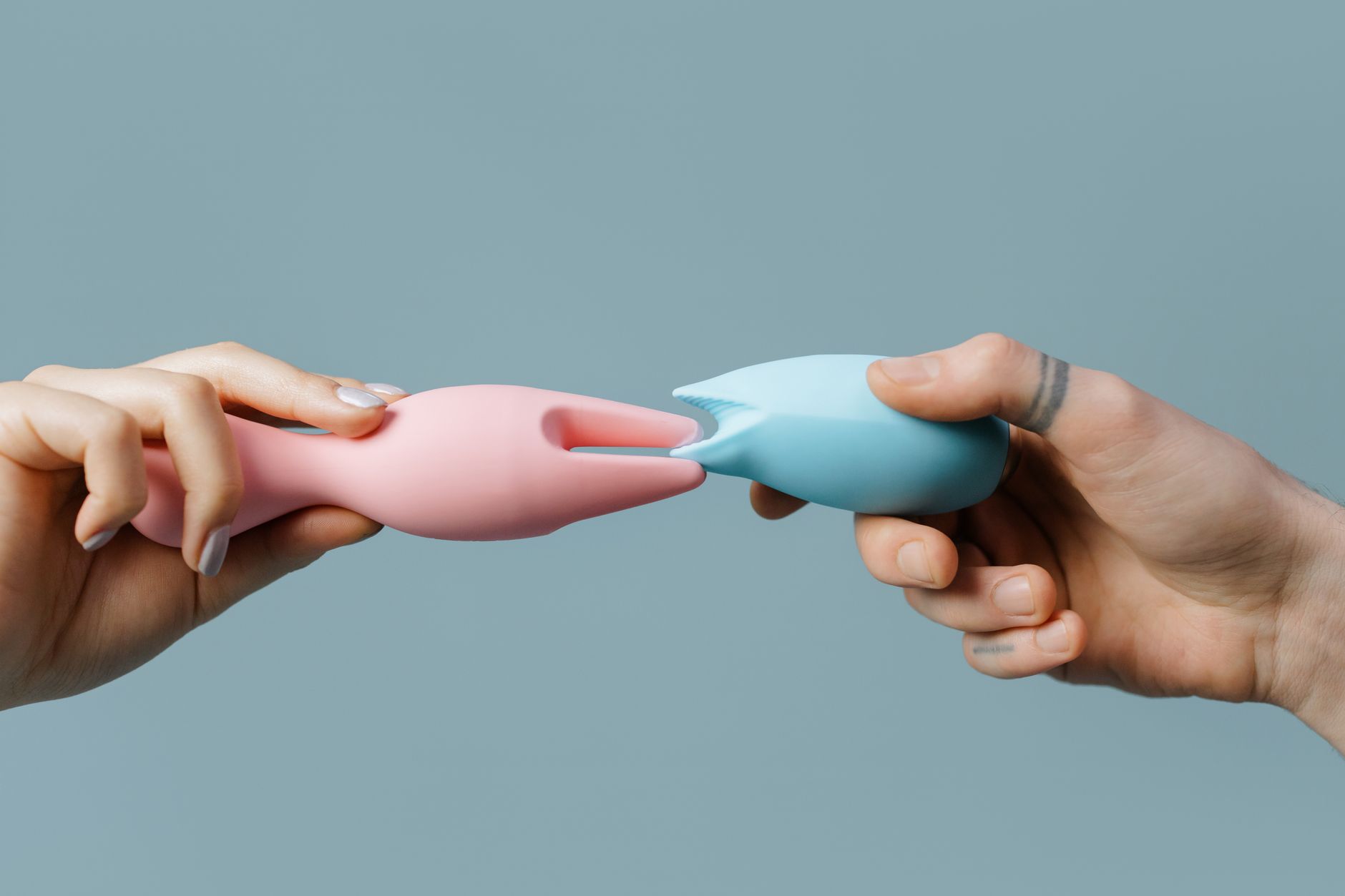
Here's where air-suction toys like The Lemon change the game for softened orgasms.
Traditional vibration creates a rapid side-to-side or up-and-down movement. It's direct and it's loud. For many people, especially those with desensitized nerve endings or thinner tissue, that friction alone doesn't create enough sensation to trigger a strong response.
Air-suction technology works through gentle pressure waves that draw tissue into the toy and release it in a pulsing rhythm. It's less about friction and more about progressive stimulation. The suction engages nerve clusters that vibration alone might miss, and it does so without the mechanical wear on delicate tissue.
For orgasms that have softened, this matters because the suction pattern tends to build more gradually and more intensely than vibration. You feel the sensation spreading and intensifying, rather than just steady buzz. Many people report that their first orgasm with a suction toy feels like discovery again. Sensation returns in a way they didn't expect.
The lemon clitoral vibrator specifically
The Lemon is designed with a curved mouth that covers the entire clitoris without direct contact. You rest it against your body and let the air-suction waves do the work. Because the suction is gentler than friction-based stimulation, you can use it for longer without numbness setting in. That matters if your orgasm used to arrive quickly but now it takes fifteen or twenty minutes.
It's also quieter than most vibrators, which means you're not fighting distraction (hello, anxiety about being heard). For people whose pleasure is sensitive to their environment, that quiet makes a difference.
Start at a lower suction level and work up. Your tissue doesn't need to be shocked back to life. It needs consistent, building stimulation. Most people find that suction intensity 2 or 3 produces deeper sensation than vibration at higher speeds.
Why delayed orgasms might not be a problem
Here's something worth sitting with: a longer buildup isn't always worse. It's different.
When orgasms came fast and easy in your twenties, that speed often came with less awareness. You weren't necessarily feeling more. You were just less capable of choosing not to feel.
A slower buildup often means more conscious sensation. You feel more texture, more variation, more of the actual pleasure instead of just the release. Some of the best orgasms people report having come after years of thinking their pleasure was "diminished."
The shift from fast to slow isn't a downgrade. It's a plot twist. The question isn't how to get back to your old timeline. It's whether the new experience might actually be richer if you stop fighting it.
What to adjust beyond the toy
Clitoral vibrators help, but they're one piece.
Time matters. Budget twenty to thirty minutes instead of rushing. Your nervous system needs time to shift out of sympathetic (stressed) activation into parasympathetic (relaxed) mode. If you give it five minutes and then feel frustrated, your body never had a real chance.
Reduce the pressure. Stop aiming for a particular outcome. Seriously. The moment you're thinking "I should be able to orgasm by now," you've lost the plot. Pleasure builds when you're present, not when you're grading yourself.
Warm up differently. If vibration alone used to work, try air-suction first. If touch used to be enough, spend more time with touch before adding the toy. Match your warm-up to what your body is actually responding to now, not what worked historically.
Check your pelvic floor. If you suspect tension is the issue, try breathing exercises. Slow inhales through the nose, longer exhales through the mouth. Let your pelvic floor relax. Some people find that pelvic floor physical therapy transforms their orgasm response, especially if tension has been chronic.
Examine medication timing. If you're on an antidepressant, talk to your doctor about whether taking it at a different time of day might reduce sexual side effects. Small timing shifts sometimes make a huge difference.
The mental piece matters most
Here's the thing I've seen change people's experience most reliably: letting go of the comparison to your old self.
Your body isn't broken because it responds differently now. It's responding to everything you're dealing with. Your stress load. Your hormones. Your relationship. Your own expectations.
The moment you stop treating your current orgasm as a failure version of your old one, pleasure often returns differently. Not worse. Different. And often deeper because you're actually present for it instead of chasing a ghost of what it used to be.
[How to Use Lemon Clitoral Vibrators When Arousal Takes Longer to Build] addresses some of these shifts in detail if you want more strategy.
When to seek outside help
If your orgasm change happened suddenly and came with pain, numbness, or significant distress, check in with a doctor. Hormonal changes are usually the driver, but it's worth ruling out anything else.
If you're on medication and the shift coincided with starting it, mention it to your prescribing doctor. Options exist. They might not tell you about them unless you ask, but they're there.
If the mental load is the real blocker—if you can't get out of your own head enough to feel pleasure—a therapist who specializes in sexuality can help you untangle that. Sometimes talking through the fear or grief that comes with change is the real path forward.
FAQ
Why do orgasms feel less intense after your thirties?
Hormone levels shift throughout your life, and estrogen and testosterone both affect genital blood flow and nerve sensitivity. Additionally, your nervous system becomes more efficient as you age, which can feel like diminished response even though it's actually just a different pattern. Many people also experience more stress and mental load in their thirties and beyond, which directly dampens arousal.
Can a lemon clitoral vibrator help restore weaker orgasms?
Yes, often. Air-suction stimulation engages nerve clusters differently than vibration alone, and many people experience stronger sensation when they switch to suction-based toys. The gradual buildup of suction also allows for longer, more intense sessions without the numbness that can come from friction-based stimulation.
How long should arousal take if my orgasms are delayed?
There's no standard. If you used to orgasm in five minutes and now it takes twenty, that's not a problem unless it's frustrating you. A longer buildup often creates more conscious sensation and deeper pleasure. The issue arises only if you're rushing or pressuring yourself instead of settling into the experience.
Could my antidepressant be causing delayed or weaker orgasms?
Absolutely. Sexual side effects are common with many antidepressants, though not everyone experiences them. If the timing matches your medication start date, mention it to your prescriber. They can discuss adjusting your dose, changing timing, or switching medications.
How do I know if it's hormones or stress causing the change?
It's usually both. Hormonal shifts happen gradually, but stress amplifies them. If your orgasm change coincided with a major life event—relationship shift, new job, grief—stress is likely the primary driver. If it happened gradually over years without obvious stressors, hormones are probably the main culprit. A doctor can check hormone levels if you want clarity.
Is a longer warm-up time actually better, or am I just getting older?
You're getting older, yes, but longer warm-up isn't worse. It's often richer. When you give your nervous system time to fully activate, you feel more. Pleasure deepens. The speed you had at twenty came with less awareness, not more sensation. Trading speed for depth is actually a solid deal.