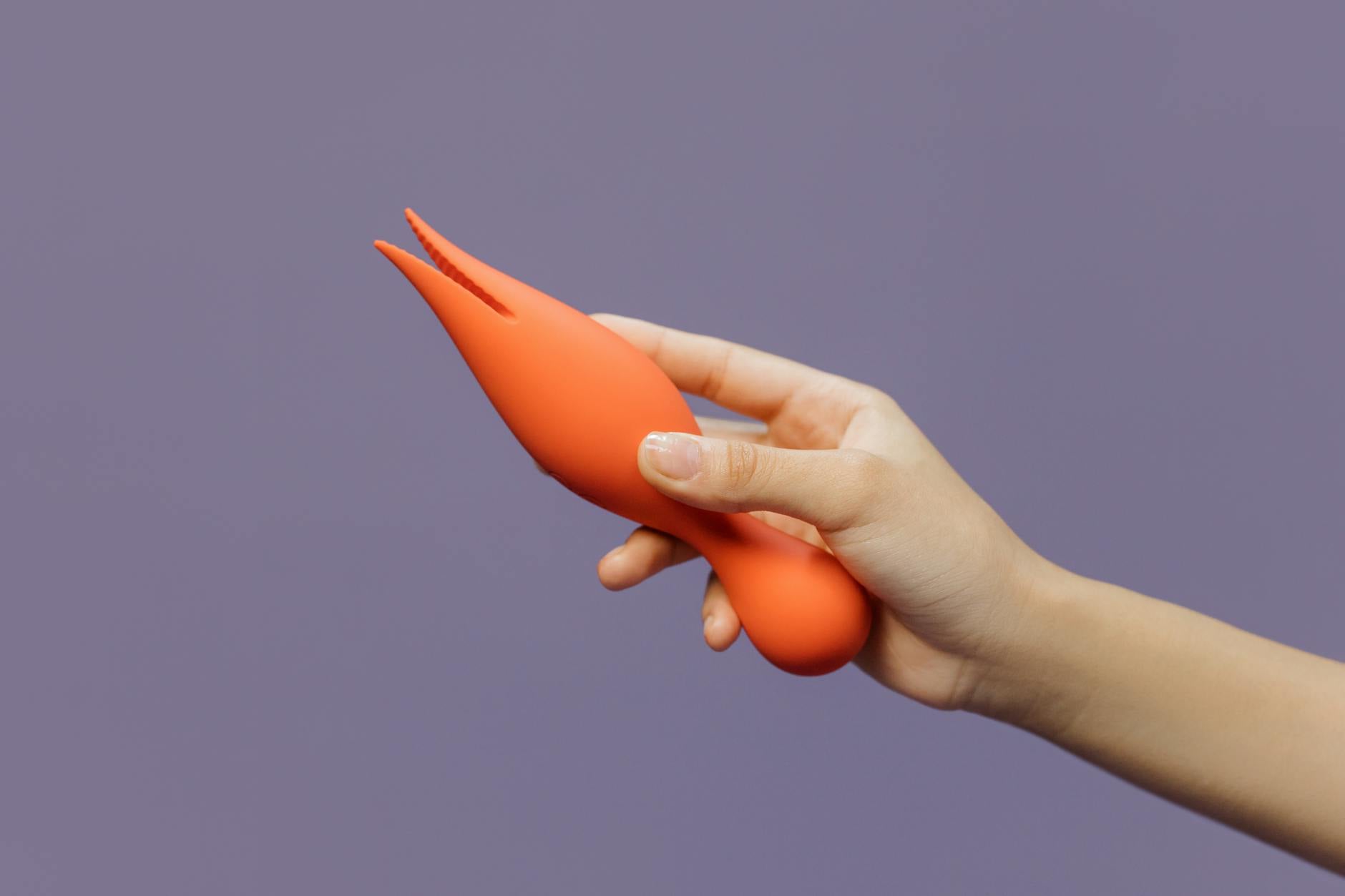
Let's be real about clitoral numbness
You're not broken. But something has shifted. The sensations that used to show up reliably are now distant, muted, or missing entirely. You might touch yourself and feel almost nothing. A partner's touch lands flat. Even arousal itself feels like you're watching it happen through glass instead of living it.
Clitoral numbness is wildly common, and it almost always has a physical cause. The issue isn't your capacity for pleasure. It's signal transmission.
What causes clitoral numbness
Three main culprits show up repeatedly in my practice.
Medication side effects. Antidepressants (especially SSRIs), blood pressure meds, and antihistamines numb nerve endings as a side effect. So do some hormonal birth controls. The medication is doing its job elsewhere. Your clitoris is just collateral damage.
Chronic stress and cortisol. High sustained cortisol constricts blood vessels and dampens nerve sensitivity everywhere, including down there. When you've been in fight-or-flight mode for months or years, your nervous system basically downregulates sensation as a survival mechanism.
Hormonal shifts. Not just menopause. Postpartum drops in estrogen, thyroid dysfunction, and polycystic ovary syndrome all affect blood flow and nerve responsiveness in genital tissue. The clitoris is the most sensitive nerve cluster in the body. Small hormonal changes hit it hard.
Less common but real: prolonged anorgasmia can create learned numbness, where the brain stops expecting sensation and the nervous system follows suit.
Why lemon vibrators work for sensation rebuilding
Here's the clinical piece. Lemon clitoral vibrators use air-pulse suction technology, not traditional vibration. This matters enormously for retraining numb tissue.
Traditional vibrators send rapid oscillating stimulation through the entire clitoral structure. If nerve endings are already dampened, the signal gets lost. You're sending the same weak message to an already unresponsive system.
Lemon vibrators work differently. They create rhythmic suction and release cycles that pull blood into genital tissue with each pulse. More blood flow means more oxygen and more activation of the nerve endings themselves. You're not just vibrating. You're literally filling the tissue with fresh circulation.
For someone with numbness, this is the difference between tapping a sleeping person's shoulder and turning up the lights, opening a window, and bringing them coffee. The body wakes up because conditions have actually changed.
How to use a lemon vibrator for sensation recovery
If you're starting from a place of real numbness, the approach matters.
Week one: lowest patterns, longest sessions. Start on pattern one or two. Forget chasing intensity. Your job right now is signal rebuilding, not orgasm chasing. Spend 15-20 minutes three to four times a week just letting your body relearn what stimulation feels like. This sounds boring. It's not. It's re-education.
Pair it with breathwork. Shallow breathing locks you in your sympathetic nervous system (fight-or-flight). Deep belly breathing activates the parasympathetic nervous system, which is where sensation lives. Breathe in for four counts, hold for two, exhale for four. This alone can restore responsiveness within days.
Track what you notice. Not orgasms. Warmth, tingling, pressure, a faint throb. These are the early signals your nervous system is waking up. Write them down. The act of noticing tells your brain that these sensations matter, and your nervous system will prioritize them next time.
Don't expect consistency early on. Some sessions will feel like nothing. Others will surprise you. This is normal during retraining. Consistency over time matters far more than dramatic single-session results.
After two to three weeks of this foundation work, you'll usually feel a noticeable shift. Sensation returns in layers.
The role of arousal and imagination
Lemon vibrators are tools, not magic. They work best when your brain is also engaged.
If you're numb from stress or trauma, your mind might be armored against pleasure before your body even gets a chance to respond. Reading erotica, watching content that genuinely turns you on, or even just thinking about what used to feel good rewires the neural pathways. Fantasy and vibration together rebuild faster than either alone.
For medication-related numbness, the challenge is different. Your mind is fine. Your nerve signal is just dampened. Here, patience and consistency matter more than psychological engagement. The lemon vibrator is doing neurological heavy lifting.
When to talk to a doctor
If numbness appeared suddenly after starting a new medication, mention it to your prescriber. Sometimes switching timing (taking the pill at night instead of morning), changing doses, or trying a different drug class restores sensation within weeks.
If numbness came with pain, burning, or unusual discharge, see a gynecologist. Infection, dermatological issues, and hormonal conditions need clinical diagnosis.
If it's been months of numbness and you've ruled out medication and infection, ask about blood work. Thyroid dysfunction, vitamin B12 deficiency, and diabetes all show up as clitoral numbness. These are treatable.
The patience piece (and why it's worth it)
Sensation rebuilding is not fast. You might see shifts in two to three weeks. Full responsiveness often takes two to three months. This feels frustratingly slow when you just want to feel normal again.
But here's what I've watched happen repeatedly. People come back months later saying that the slowness forced them to actually pay attention to their own body for the first time in years. They didn't just regain sensation. They got to know themselves differently. The slow reset became a reclamation.
Your clitoris has tens of thousands of nerve endings. It's the most densely innervated spot on your body. Numbness is frustrating, but it's also not permanent. The nervous system is plastic. It rewires. It recovers. A lemon clitoral vibrator isn't a quick fix. It's the right tool for patient, grounded, sustainable sensation recovery.
FAQ: Sensation Rebuilding and Lemon Vibrators
How long does it take to feel sensation again after clitoral numbness?
Most people notice early signs of responsiveness within two to three weeks of consistent use. Full sensation return typically takes six to twelve weeks depending on the cause. Medication-related numbness can take longer (sometimes three to four months after the medication changes). Stress-related numbness usually responds faster because the nervous system downregulation is more recent.
Can you use a lemon vibrator every day if you're trying to rebuild sensation?
Yes, daily use is actually recommended during the rebuilding phase, unlike long-term maintenance where three to four times weekly is ideal. Consistent stimulation tells your nervous system that this sensation is important and worth prioritizing. Space sessions at least four to six hours apart to avoid tissue irritation.
Do lemon vibrators work better than regular vibrators for numbness?
Yes, significantly. The suction mechanism creates deeper blood flow activation than oscillating vibration alone. For numb tissue, this difference is dramatic. Traditional vibrators can feel like nothing at all if nerve sensitivity is severely dampened. The lemon clitoral vibrator's air-pulse design forces blood into genital tissue, literally creating the conditions for nerve reactivation.
What if you feel pain during sensation rebuilding with a lemon vibrator?
Stop immediately and investigate. Pain during recovery usually means one of three things: the intensity is too high (drop down to pattern one), the duration is too long (reduce from 20 minutes to 10), or there's an underlying medical issue that needs attention. Never push through pain. If pain persists even at lowest settings, see a gynecologist.
Can medications actually be changed if they're causing clitoral numbness?
Often yes. If the medication is critical to your mental health or physical health, your prescriber might adjust timing, dose, or switch you to a different drug in the same class with less sexual side effects. For blood pressure meds and antihistamines, alternatives with fewer sexual effects definitely exist. For SSRIs, the conversation is more nuanced, but options like bupropion or medication holidays are worth discussing.
Is sensation rebuilding permanent once it comes back?
Usually yes, assuming the underlying cause was temporary. If numbness came from a medication you stopped taking, sensation typically stays stable once restored. If it came from stress, ongoing stress management helps maintain it. If it came from hormonal shifts, it may fluctuate with future hormonal changes but rarely goes fully numb again once the nervous system has been reactivated. Think of it like muscle memory for your nervous system.