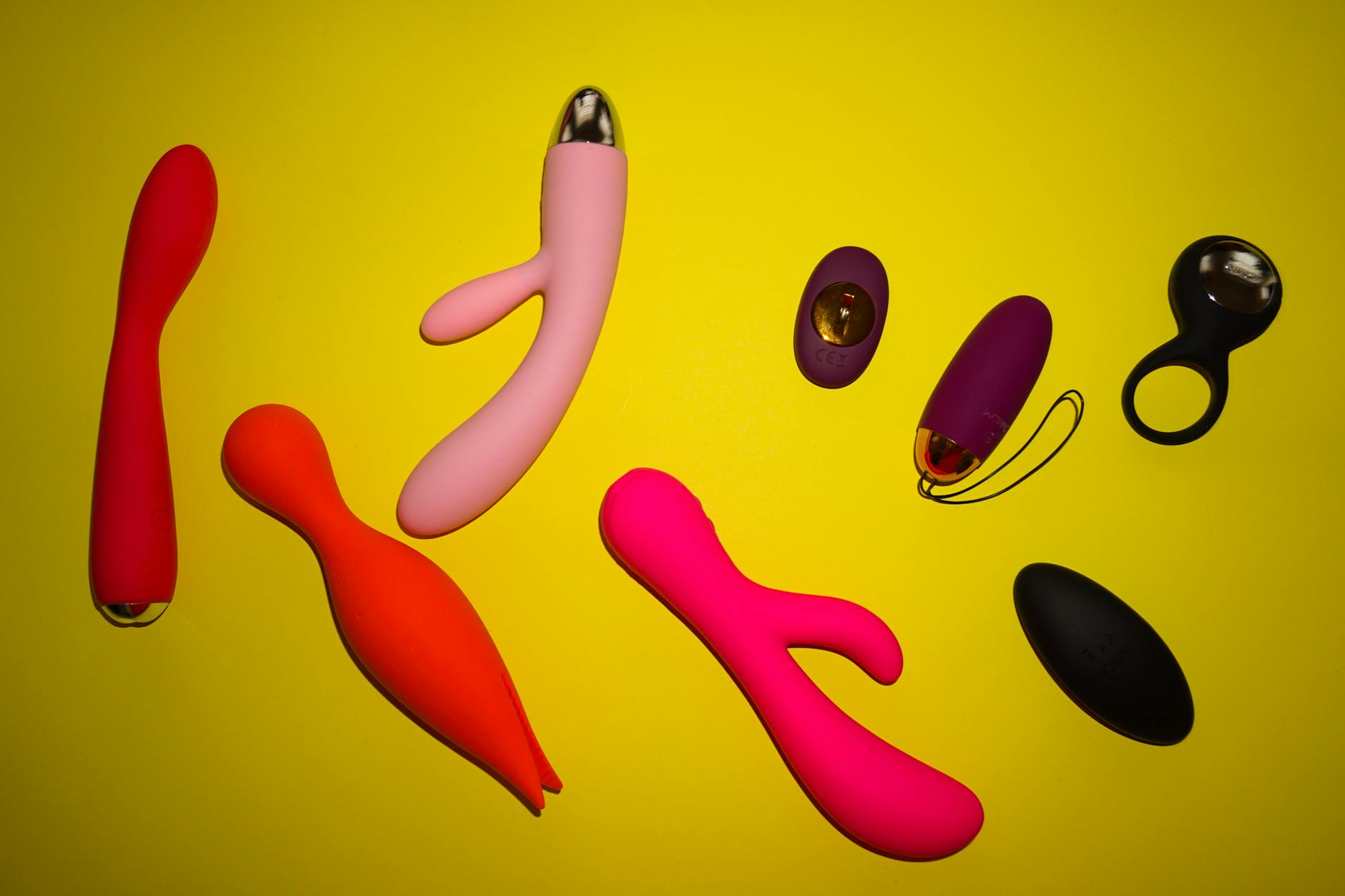
Here's the thing nobody told you about medication and sex
Your body isn't broken. Your medication is doing exactly what it's supposed to do. And that thing you're noticing about arousal? It has a name, a mechanism, and a workaround.
Millions of people take medications that affect sexual response. Antidepressants, blood pressure meds, antihistamines, hormonal birth control, even some anxiety treatments can dull desire, flatten sensation, or make orgasm feel impossibly far away. Most prescribers mention this in passing, if at all. Most patients suffer in silence because they assume it's either normal or unfixable.
It's real. It's common. It's also not permanent, and there are concrete strategies that work.
Which medications actually affect arousal and why
Let's start with the biggest culprit: SSRIs and SNRIs (selective serotonin reuptake inhibitors and serotonin-norepinephrine reuptake inhibitors). These are first-line antidepressants. They work by increasing serotonin availability in the brain, which lifts mood and stabilizes anxiety. The problem is that serotonin is involved in the arousal cascade. Too much of it, and the system downregulates. Desire drops. Sensation numbs. Orgasm takes longer or feels muted.
Other common culprits include:
- Beta-blockers and some blood pressure medications, which reduce blood flow and make arousal harder to build
- Antihistamines and decongestants, which dry mucous membranes and dampen sensation
- Hormonal contraceptives, which shift testosterone and estrogen in ways that flatten desire for some people
- Certain mood stabilizers and antipsychotics, which interfere with dopamine (the pleasure and reward neurotransmitter)
- Some anti-seizure medications, which dull sensory input across the board
The point: this isn't psychological. It's biochemical. Your brain and body are responding exactly as designed to a foreign compound. Which means there's no shame, no broken wire, and no reason to believe this is permanent.
What happens to sensation under medication
When arousal is flat, it's not because your clitoris stopped working. It's because the signal strength is lower. Think of it like turning down the volume on a speaker. The music is still playing. You just can't hear it as clearly.
Your nervous system uses neurotransmitters to encode sensation and pleasure. When medication alters those chemicals, the signal gets quieter. Stimulation that used to feel electric now feels distant. Touch that used to build quickly now requires patience. Orgasm might still be possible, but it demands more intense or sustained input to cross the threshold.
For some people, the dullness is temporary. The body adapts over weeks or months, and sensation returns. For others, it stays. Both outcomes are normal.
The solution isn't to stop taking medication that's keeping you stable. It's to meet your body where it actually is right now.
Why lemon vibrators specifically help
Lemon clitoral vibrators, especially air-suction models like The Lemon, work differently than traditional vibrators. Instead of direct friction or buzzing against tissue, they create gentle pulses of suction that stimulate the entire clitoral complex. This matters for medicated bodies because:
The sensation is concentrated and direct. When your nervous system is running at low volume, a diffuse sensation gets lost. Suction focuses stimulation into a tight, precise pattern. Your brain receives a stronger signal from the same nerves.
They bypass numbness more effectively. Numbness from medication is often a desensitization issue. The touch is reaching your skin, but the signal isn't reaching your brain clearly. Lemon sexual toys trigger a different neural pathway than direct touch. Suction activates mechanoreceptors (pressure sensors) alongside regular touch sensors, which gives your brain multiple channels to receive pleasure.
They allow longer, gentler build. Since arousal is slower under medication, you need a tool that can sustain stimulation for 20, 30, even 40+ minutes without fatigue or discomfort. Lemon vibrators do this silently and consistently, which means you can stay focused on sensation instead of worrying about grip strength or arm fatigue.
They work with lower settings. A clitoral vibrator at setting 1 or 2 often feels like nothing. A lemon sucker at the same low setting creates noticeable sensation because suction creates a seal. You're not trying to stimulate through numbness with brute force. You're using a mechanism that works with your medicated body.
The practical adjustment strategy
If medication has flattened your arousal and you want to use lemon adult toys to reconnect, here's what actually works:
First, get honest about your baseline. Before you try a lemon vibrator, spend one solo session exploring your body without any tool. Hand, no rush, just checking in. What spots feel alive? What takes forever? What feels totally numb? This is your map. Your vibrator will perform best when you already know which areas have the most signal strength.
Second, plan for longer sessions. This isn't failure. You're not broken because it takes 30 minutes instead of 5. You're working with accurate data. Budget the time, put your phone away, and actually relax into it. Sensation often appears once you stop fighting for it.
Third, start on the lowest setting. If you're used to medium or high intensity vibrators, this will feel weird at first. That's okay. Your medicated nervous system needs you to dial down the noise. After 5-10 minutes on setting 1, you'll start noticing subtlety. Sensation you didn't know was possible.
Fourth, use lube. Always. Medication-related dryness is real, and lube changes everything. Water-based feels light and lets you focus on suction sensation without friction distraction.
Fifth, track patterns. If you notice better sensation at certain times of day, after certain foods, or with certain activities beforehand, record it. Your arousal under medication isn't random. Once you find the pattern, you can build around it.
Conversations to have with your prescriber
You deserve to tell your doctor that medication is affecting your sex life. This isn't trivial or embarrassing. It's a real side effect that impacts your wellbeing and relationships. Here's what to say:
"I've noticed that since starting [medication], my desire and sensation have flatlined. Is this a known side effect? Are there alternatives that might work differently for my body? Could we try adjusting the timing or dose?"
Some options your doctor might offer: switching to a different medication in the same class, adjusting your dose, taking a drug holiday (a planned break), timing doses differently, or adding an additional medication that counteracts the sexual side effects (like bupropion or buspirone for SSRI users).
You might not want to change medications, and that's fair. Stability matters more than sensation for many people. But your doctor should know the cost. If they dismiss you or refuse to discuss it, that's a sign to find a provider who takes sexual health seriously. It exists.
When to explore other tools alongside lemon vibrators
Sometimes lemon clitoral vibrators are enough. Sometimes they work best as part of a toolkit. Consider adding:
Pelvic floor exercises. Tight pelvic floor muscles make numbness worse. Kegels strengthen but also teach relaxation. This matters for arousal.
Partner communication. If you have one, tell them what you need. Not "my medication broke my sex drive," but "arousal is slower now, and I need longer warm-up time and consistent pressure." This reframes the issue from failure to adaptation.
Mindfulness or breathwork. Medication-related numbness is partly physiological and partly psychological. When you expect sensation and don't find it, you tense up. Breathwork breaks that loop.
Lubricant variety. Water-based feels one way. Silicone feels another. Hybrid feels like something else entirely. If lube + vibration isn't creating enough sensation, try a different combination.
FAQ: Medication and arousal with lemon vibrators
Will using a lemon vibrator eventually restore my natural sensation?
Possibly. Regular use can help train your nervous system to recognize and encode pleasure signals again, even under medication. It's like rebuilding a neural pathway. But it's also possible you'll always need a vibrator on this medication, and that's completely fine. Your pleasure is valid either way.
Can I use The Lem or other lemon sexual toys while on antidepressants?
Absolutely. There's no medical reason not to. In fact, many therapists recommend it because it keeps pleasure in your life during a period when your brain chemistry is working against you. Using a vibrator isn't a sign that medication has failed. It's you meeting your body where it is.
How long does it usually take to feel something again with a lemon clitoral vibrator?
First session is often surprising. You might think nothing's happening, then suddenly realize how much sensation is there compared to your hand alone. Real restoration of desire and sensation can take weeks, sometimes months, as your body adjusts. Patience helps more than intensity.
What if my doctor says vibrators will interfere with my medication?
That's not medical fact. It's outdated thinking. Vibrators don't interact with any psychiatric medications. If your provider says this, consider finding a sex-positive doctor or therapist who can support both your mental health and your sexual health.
Is numbness from medication permanent even with lemon vibrators?
Not usually. Many people recover sensation once their body adjusts to the medication, which typically takes 6-12 weeks. Others find that adding a tool like a lemon vibrator is the workaround they need long-term. Neither outcome means you're broken.
Can I combine a lemon sexual toy with other arousal strategies if medication has flattened everything?
Yes, absolutely. Vibrators work best alongside longer foreplay, better communication, lube, relaxation, and sometimes lifestyle changes like exercise or sleep. There's no ceiling on pleasure. More tools plus more intention equals better outcomes.
The bottom line
Medication that stabilizes your mental health is a gift, even if it comes with sexual side effects. And a lemon vibrator that meets your medicated body where it actually is right now is also a gift. You don't have to choose between emotional stability and sexual pleasure. You get both. It just might require you to be intentional, patient, and honest about what your body needs.
If medication has dimmed your arousal and you want to explore how lemon clitoral vibrators can help, start with one solo session using the lowest setting, plan for time, and notice what happens. Your sensation is still there. Sometimes you just need to turn up the signal strength.
Have questions about how to approach pleasure while on medication, or want to talk through your specific situation? Reach out to us. We're here for it.