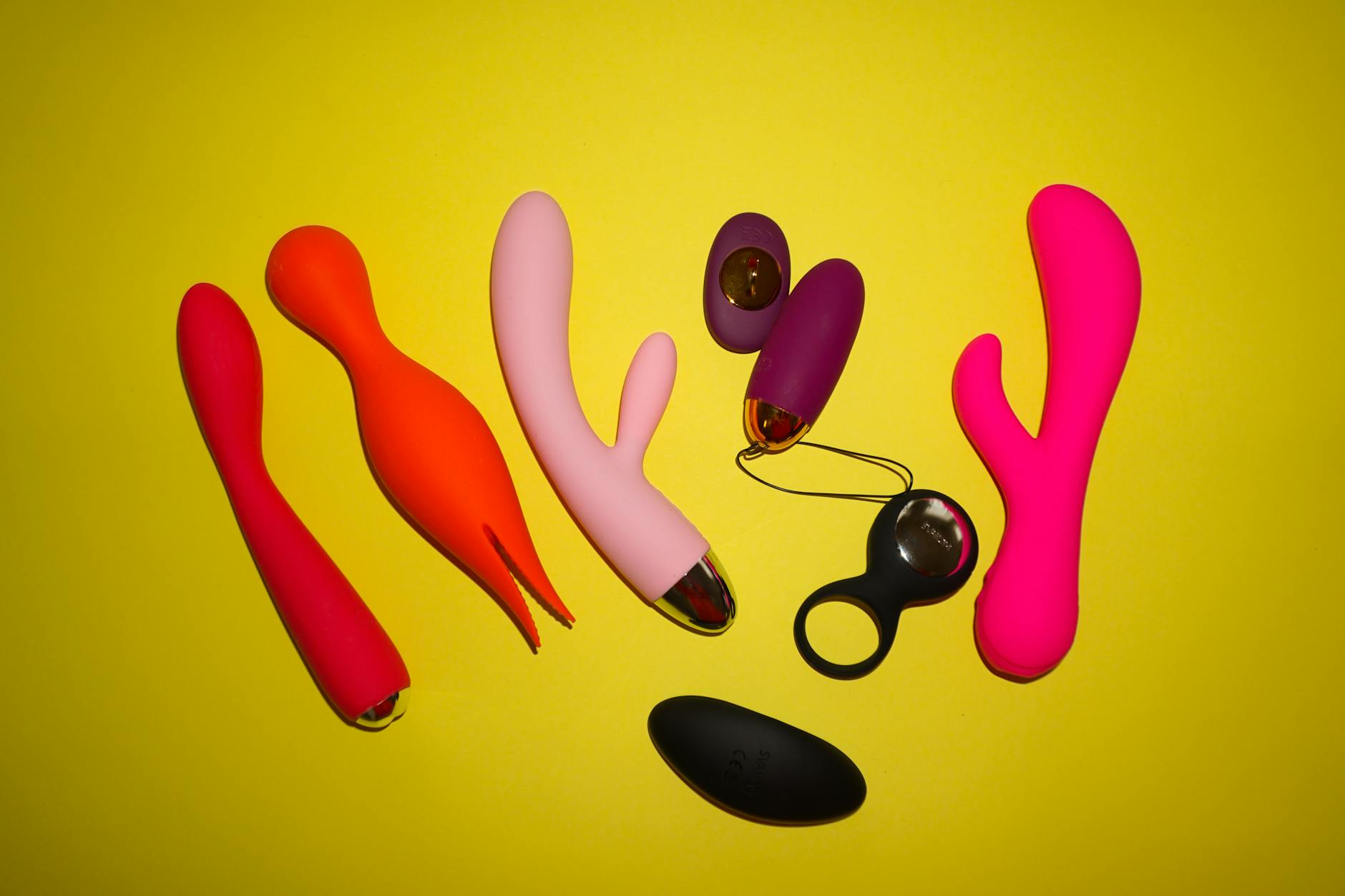
How Lemon Vibrators Help When Your Clitoris Needs Gentler Stimulation After Childbirth
Let's be real. Nobody warns you about postpartum clitoral sensitivity. They talk about bleeding, stitches, sleep deprivation, and hormonal crashes. What they don't mention is that your clitoris might feel bruised, numb, overstimulated, or completely off-limits for weeks. And then they really don't mention what to do about it.
Here's the thing. Postpartum clitoral changes are physiological, temporary, and totally manageable. And when you're ready to feel pleasure again, lemon vibrators and clitoral vibrators designed with gentleness in mind can be exactly the right tool.
What happens to your clitoris after childbirth
Your body just did something massive. Whether you gave birth vaginally or via cesarean, your whole pelvic system is in recovery mode. The clitoris is packed with nerve endings and sits at the convergence of the pelvic floor muscles, the vulva, and the perineal body. All of that is inflamed, potentially bruised, and flooded with hormones that are actively shifting.
Here's what's actually happening down there. After birth, estrogen plummets. This affects tissue thickness and moisture. The pelvic floor muscles are stretched, possibly torn or cut, and are now trying to rebuild. The clitoris itself may have swelling, nerve inflammation, or bruising from pressure during labor. Blood flow is redirected to healing priority zones. And if you're breastfeeding, prolactin (the milk hormone) suppresses estrogen further, which can make tissues feel even more fragile.
The result. A clitoris that feels hypersensitive to touch, or conversely, completely numb. Some people describe it as raw. Others say it feels like someone else's body entirely.
Why traditional vibrators can feel wrong
Standard vibrators move back and forth really fast. They require direct friction. For a postpartum clitoris, this is often too much, too soon. The tissue is already irritated. Direct vibration can feel painful instead of pleasurable.
This is why suction-based lemon vibrators are different. They work via gentle air pulse suction rather than mechanical vibration. This stimulates the clitoral nerves without the same aggressive friction. It's the difference between tapping on a bruise and massaging around it.
If you're wondering whether you should wait or whether pleasure tools can actually help. You don't have to choose. The right tool matters. A lemon vibrator designed with gentle, pulsing suction can help you reconnect with sensation in a way that feels safe instead of painful.
When is it actually safe to try again
Your GP will typically clear you for sexual activity around six weeks postpartum, assuming no complications. That's a baseline. Your body might need more time, and that's completely normal.
Before you reach for any toy, ask yourself these questions. Do you have any sharp pain, heavy bleeding, or signs of infection? If yes, wait. Are your stitches or incision still actively healing? If yes, wait. Does the thought of being touched down there make you feel anxious or panicked? That's worth exploring separately from physical readiness. Does light touch feel okay, or does everything feel too intense? This tells you what kind of stimulation makes sense right now.
For most people, gentle clitoral attention becomes possible around week 4 to 6 postpartum, but everyone's timeline is different. Your midwife or GP can give you personalized guidance based on how your specific recovery is progressing.
How to use lemon vibrators gently in the postpartum window
If your care provider has cleared you and your body feels ready, here's how to approach it. Start with external clitoral stimulation only. No internal anything. Your vagina and pelvic floor are still healing.
Begin with the lowest setting. Most lemon vibrators have multiple intensity levels. Start at level 1. This might feel barely like anything. That's the point. You're testing sensation, not chasing orgasm.
Use plenty of water-based lubricant. Your estrogen is low, so your body might not be producing much natural lubrication. Lube reduces friction and makes everything feel gentler.
Keep sessions short. Five to ten minutes max. You're not looking for climax. You're reestablishing connection with sensation. Stop whenever anything feels uncomfortable. Pleasure should feel good, not like an obligation or a test.
If you feel numbness or reduced sensation, that's normal. It often improves over weeks as hormones stabilize and tissue heals. Gently experimenting with different patterns or intensities can help wake nerves back up, but pushing too hard too fast will set you backward.
The emotional piece nobody talks about
Physical recovery is one thing. The mental piece is another. Postpartum bodies often feel alien. Your breasts might be leaking. Your belly doesn't look like yours. Your clitoris feels wrong. You might feel touched out from feeding a baby all day. You might grieve the pleasure you had before. You might feel guilty for wanting it back while your body is still healing.
This is where talking to your partner or a therapist actually matters. How to Use Lemon Vibrators When Your Partner Thinks Solo Toys Are a Threat is worth reading if you're navigating a partner's feelings alongside your own recovery. And if you're dealing with postpartum depression or anxiety, that's affecting your clitoral response too. These conditions suppress arousal at a neurological level. Getting support for mood is part of getting pleasure back.
Why lemon suction toys work better than you'd expect
The Lemon brand makes clitoral vibrators that use pulsing suction rather than buzzing vibration. For postpartum bodies specifically, this is brilliant. The suction mechanism creates a sensation of gentle drawing, which engages the clitoral tissue without aggressive friction. You're not vibrating a bruised nerve. You're gently awakening it.
Because the stimulation is less direct, it also tends to feel less overwhelming if you're dealing with hypersensitivity. And if you're numb, the suction pattern can actually be more effective at reaching nerve endings than straight vibration would be.
When to see your doctor about postpartum clitoral sensitivity
Most postpartum clitoral changes resolve within 8 to 12 weeks as your body heals and hormones stabilize. If you're past three months and still experiencing pain, numbness, or complete loss of sensation, mention it to your GP. You might have a nerve issue that needs attention. You might benefit from pelvic floor physical therapy. You might need estrogen support if you're breastfeeding and willing to explore it.
If pleasure comes back but feels different, that's normal and usually fine. Your body has changed. Your nervous system has changed. That doesn't mean worse. It often just means different, and sometimes even better once you adjust.
If you feel zero desire or arousal despite physical healing, that might be postpartum depression or the normal result of sleep deprivation, hormonal shifts, and a massive life change. Again, this is worth discussing with your care provider. Pleasure can return, but it might need support beyond a toy.
What helps alongside the toy
A lemon vibrator is a tool, not a cure. What actually helps is time, rest, adequate nutrition, and hormone stabilization. It's also reconnection with your partner (if you have one) and with your own body. It's managing touched-out feelings. It's sometimes therapy or pelvic floor PT.
If you're interested in rebuilding sensation more broadly, How Lemon Vibrators Help When Your Clitoris Is Less Responsive to Touch covers broader strategies. And if postpartum anxiety or depression is complicating everything, getting that treated isn't separate from pleasure coming back. It's part of the same process.
FAQ: Postpartum Clitoral Sensitivity and Lemon Vibrators
Can I use a lemon vibrator if I'm still bleeding or have open stitches?
Not yet. Wait until your bleeding has lightened significantly and any visible stitches or tears have begun to close. Using any stimulation, including lemon vibrators, on actively bleeding or open tissue increases infection risk and delays healing. Your GP can tell you when tissue has progressed enough. Usually this is around week 3 to 4 for most people, but depends on your specific recovery.
Will using a toy interfere with breastfeeding?
No. Sexual pleasure and breastfeeding are separate systems, though both are influenced by prolactin. Using a lemon vibrator won't change milk supply or quality. That said, your prolactin levels might suppress arousal regardless, which is a hormonal reality, not something a toy can override.
Is it normal for clitoral sensation to feel completely numb after childbirth?
Yes, it's normal and usually temporary. Numbness can result from swelling, nerve inflammation, or hormonal shifts. Most people regain full sensation within 8 to 12 weeks as healing progresses and estrogen levels begin to rise. If numbness persists beyond 3 months, mention it to your healthcare provider.
How often can I use lemon vibrators postpartum?
Start with once or twice a week, keeping sessions short. Your body is healing. More frequent stimulation doesn't speed up recovery and might irritate tissue. As weeks pass and sensitivity normalizes, you can increase frequency if you want to. Listen to your body, not a schedule.
Should I tell my partner I'm using a lemon vibrator while recovering?
That depends on your relationship and how you usually communicate about pleasure. Some couples find it helpful to frame it as part of recovery, not replacement. Some prefer to keep it private. There's no rule. What matters is that you're not keeping it secret out of shame, and that your partner isn't threatened by you exploring your own body while healing.
What if using a clitoral vibrator still hurts?
Stop and wait longer. Pain is information. It means tissue isn't ready yet. There's no prize for pushing through. Go back to your GP if pain persists or worsens, especially if there's also redness, discharge, or signs of infection. Sometimes pain signals an issue that needs professional attention, not more stimulation.
The takeaway
Postpartum clitoral sensitivity is temporary. Your body is healing. That healing is the priority. But reconnecting with sensation and pleasure once you're physically ready is part of reclaiming your body as yours again. Lemon vibrators, with their gentle pulsing suction, can be exactly the right tool for that reentry because they're designed for gentleness, not aggression. Start low, start slow, and trust that sensation returns when your body is ready.