Let's name what depression actually does to pleasure
Depression doesn't just make you sad. It rewires how your brain processes reward, dopamine, and sensation. Your nervous system gets stuck in a mode where pleasure signals barely register. It's not laziness or low libido in the traditional sense. It's anhedonia. Your body's pleasure receptors have gone quiet.
When depression lifts, either through medication, therapy, time, or a combination, that numbness doesn't evaporate overnight. Many people emerge from a depressive episode to find their sexuality still feels distant, muted, like watching sex happen to someone else. Your partner might be ready to reconnect. You might want to want them. But your body hasn't caught up yet.
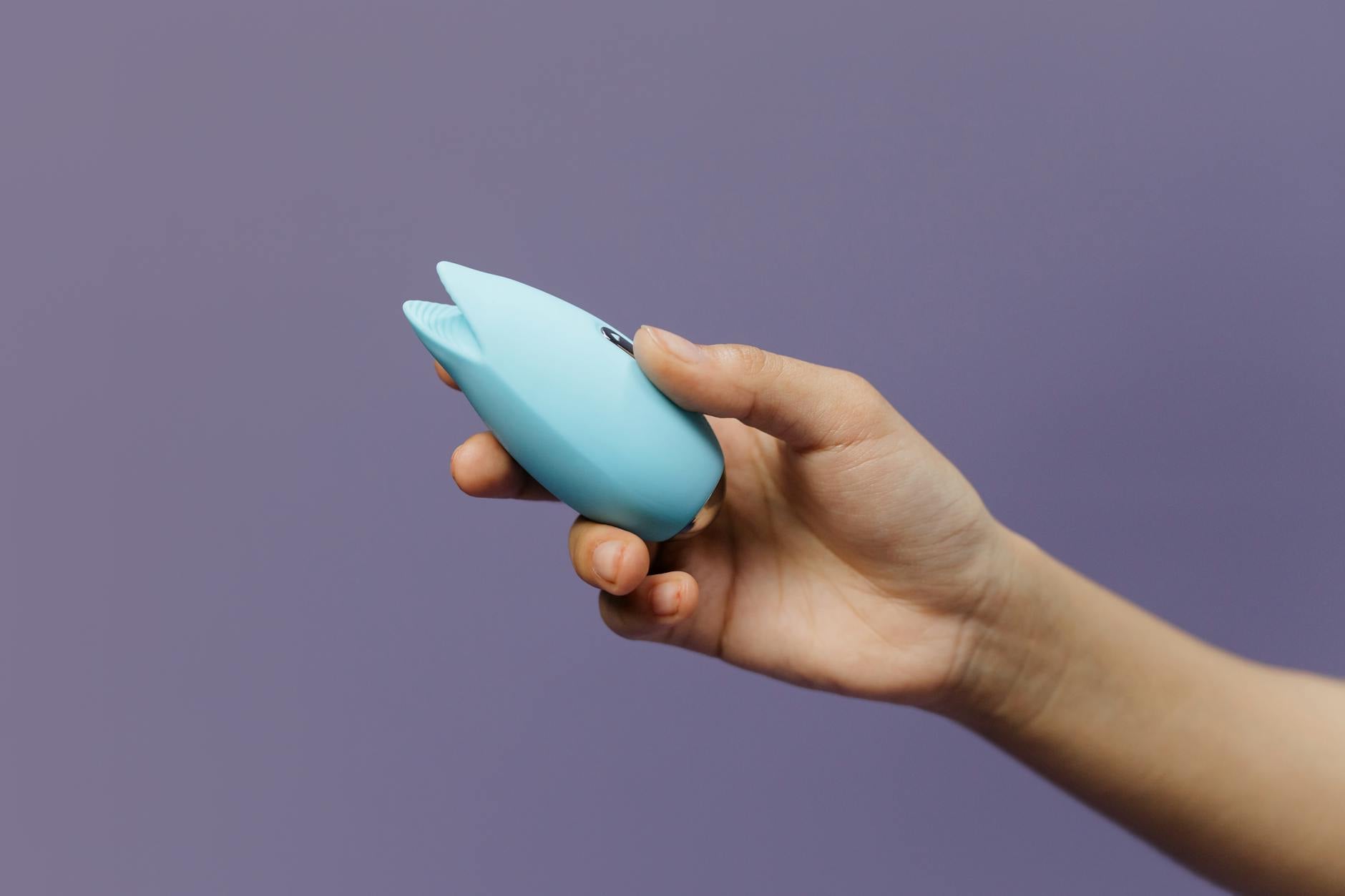
This is where most advice fails. People tell you "just relax" or "it'll come back naturally." Sometimes it does. Often it doesn't without deliberate, specific practice. The good news is that pleasure can be relearned. Your nervous system is plastic. It rewires. And tools like lemon clitoral vibrators can speed that process by giving your body external input it's primed to receive.
How depression changes your sensation threshold
Here's the neuroscience in plain terms. Depression dampens dopamine and serotonin. Both are essential for arousal, orgasm, and the cascade of pleasure signals that makes sex feel good. When you're depressed, even direct stimulation feels muffled, like touching yourself through a thick glove. The clitoris is still there, still responsive in theory, but the signal isn't reaching your brain with clarity.
Many antidepressants make this worse before it improves. SSRIs help mood but can blunt sensation for months. Some people never fully regain sensation on medication. Others find it returns gradually. The timeline is unpredictable and depends on which medication, your neurochemistry, and your individual recovery.
What matters is understanding this: rebuilding pleasure after depression is not about willpower or trying harder. It's about creating the right conditions for your nervous system to wake back up. Consistent, low-pressure stimulation works better than forcing arousal. This is where The Lem and other lemon clitoral vibrators become invaluable. They provide a steady, external stimulus that doesn't depend on your mood or your motivation.
Why clitoral vibrators matter in recovery
Three reasons lemon vibrators are specifically helpful when you're starting over:
1. They bypass the motivation problem. Depression makes initiation feel impossible. Reaching for a toy is lower friction than creating arousal from nothing. You're not waiting for desire to appear. You're giving your body permission to explore sensation on its terms.
2. They provide measurable feedback. When sensation is numb, a vibrator gives you something concrete. You feel it. Your body responds. Even a small response rewires your brain's reward pathway. Dopamine ticks up. Next time, the barrier feels slightly lower.
3. They work at gentle intensities. After depression, aggressive stimulation can feel invasive or uncomfortable. The Lem starts at low, subtle pulses and builds up. You're in control. You choose the intensity. That agency matters as much as the sensation itself.
The relearning phase, step by step
If you're emerging from depression and your sexuality feels like a foreign country, here's a framework that actually works.
Week one: Explore without expectation. Use a lemon clitoral vibrator on the lowest setting for 5 to 10 minutes, alone, with no goal except noticing sensation. Not trying to come. Not waiting for arousal. Just noticing what you feel, where you feel it, what changes. Many people find that low-pressure, regular exploration reboots sensation faster than sporadic attempts at "having sex."
Week two: Extend and vary. Increase time to 15 minutes. Try different patterns if your toy offers them. Notice if certain rhythms create more response than others. You're essentially teaching your nervous system that pleasure is safe and available again.
Week three: Add context. Maybe use your vibrator after a shower when your body feels present. Maybe read something that interests you first. Maybe explore in a time of day when your energy is highest. Depression often hits hardest at certain hours. Work with your biology.
Week four and beyond: Integration. Once solo sensation feels more available, introduce your vibrator with a partner if you have one. Or continue solo. There's no timeline. You're not behind. The point is consistency and self-compassion, not speed.
When a partner is involved (and when they're not)
If you're rebuilding desire with someone, the hardest conversation is this one: "I'm not broken right now. I'm healing. And I need you to be patient with a timeline that isn't yours." Many partners mistake numb sexuality for rejection. It isn't. It's a symptom.
Using a clitoral vibrator together can help. It takes pressure off penetration or performance. It gives both of you something external to focus on. It proves, tangibly, that sensation is returning. And it separates the conversation from "Do you still want me?" into "Here's what my body needs right now."
If you're single or your partner isn't interested in that dynamic, solo exploration with a vibrator becomes your primary tool for rebooting pleasure. There's zero shame in that. It's actually clinical best practice.
The role of medication and professional support
If you're on an antidepressant that's killing your sensation, that's worth discussing with your prescriber. Sometimes switching timing (taking it at night instead of morning) helps. Sometimes a different medication class has fewer sexual side effects. Sometimes the sensation returns on its own after a few months. Your doctor can't know unless you bring it up.
A trauma-informed or sex-positive therapist is invaluable here too, especially if depression was intertwined with past trauma or shame. They can help you distinguish between "I'm still healing" and "I need a different approach."
Lemon adult toys aren't a replacement for professional care. But they're a practical, embodied tool you can use between sessions, on your own timeline, to practice reconnection.
What "success" actually looks like
You don't need to return to the sexuality you had before depression. Maybe it was reactive and obligatory anyway. Maybe depression was signaling that something in your relationship or your own self-worth needed attention. Pleasure doesn't reboot as a return to baseline. It rebuilds as something new, with more intention.
Some people find that post-depression pleasure is actually deeper because they're not performing anymore. They're present. The Lem and other lemon vibrators help with that because they're inherently selfish, private tools. You're not managing anyone else's experience. You're just with your own sensation.
Success isn't a specific number of orgasms or a timeline. It's noticing sensation returning. It's feeling curious about your body instead of numb. It's reaching for a vibrator and discovering that pleasure exists on the other side of what felt like permanent numbness.
FAQ: Starting Over With Pleasure
Is it normal to feel nothing even with a vibrator at first?
Yes. Anhedonia is real and stubborn. Your nervous system is relearning that pleasure is possible. Sometimes it takes 10 to 20 sessions before you notice real sensation. Be consistent but gentle. The lack of immediate feeling isn't failure. It's part of the rewiring process.
Will the sensation I regain feel the same as before depression?
Probably not exactly. That's not a bad thing. After depression lifts, many people describe pleasure as clearer, less complicated by anxiety or external pressure. It might feel different. Different isn't worse.
Should I use a lemon clitoral vibrator alone or with my partner?
Start alone. Get to know your own body and your response first. When you're more confident and the numbness has started lifting, partnered exploration becomes an option. But solo practice first removes the pressure of performance and lets you focus entirely on sensation.
How often should I explore to rebuild sensation faster?
Consistency beats intensity. Three to five times a week, 10 to 20 minutes, is more effective than once a week for an hour. Your nervous system responds better to regular, manageable input than to sporadic, pressured sessions.
What if I'm on medication that's blocking sensation and I can't or don't want to switch?
Work with what you have. Some people find that sensation gradually returns even on SSRIs. Others don't. If medication is essential for your mental health, that comes first. But a sex-positive therapist or sex educator can help you explore what sensation is available to you and build from there.
Can a vibrator help if I'm not sure I want pleasure anymore?
Maybe start with curiosity instead of expectation. Use a vibrator as a low-stakes experiment: "What happens if I try this?" rather than "I should be able to feel this." Often, gentle, exploratory touch reignites interest before desire fully returns. Permission and curiosity often come before pleasure. The vibrator becomes a tool for both.
The path forward
Depression steals pleasure. It's one of its most exhausting symptoms because pleasure is how we know we're alive. Getting it back doesn't happen by waiting or by forcing yourself to feel something you don't. It happens through consistent, compassionate practice. A lemon clitoral vibrator isn't magic. It's a tool that gives your rewiring nervous system something concrete to practice with.
Your pleasure matters. Your recovery matters. And yes, rebuilding sensation after depression takes time. But it happens. You get to feel good again.