The thing nobody tells you about long-term relationships
After years with the same partner, your clitoris can feel less responsive. Not broken. Not dead. Just quieter. You know what's coming, your partner knows the moves that usually work, and somewhere along the way, the electrical charge that made touch feel electric just... dampens.
This is neurological, not emotional. Your nervous system adapts to predictability. The same rhythm, the same pressure, the same timing every single time trains your body to anticipate rather than feel. It's the opposite of arousal. It's habit.
Why sensation actually fades in long-term relationships
Three things happen at once:
First, your brain stops paying attention. Novelty drives arousal. When touch becomes routine, your sensory cortex stops lighting up the way it did in the early months. You're not numb. You're just on autopilot.
Second, your partner stops varying their approach. They've found what "works" and they stick with it. Which makes sense. Why change something that gets results? But from a nervous system perspective, this is a trap. Your clitoris adapts to that specific pressure, rhythm, and angle. It becomes less responsive to gentler touch or different patterns.
Third, you might be disconnected from your own body by then. Years of predictable sex can make you an observer of your own pleasure rather than a participant in it. You're thinking about what you need to do next, whether you're taking too long, whether they're bored. Your brain is busy. Your clitoris gets the leftovers.
What reawakening sensation actually looks like
The good news: sensation is still there. You haven't lost it. You've just gotten used to ignoring it.
Rebuilding clitoral sensitivity means doing something radical. You have to stop doing what you usually do. Solo exploration first, new sensation second, only then integration back into partnered sex.
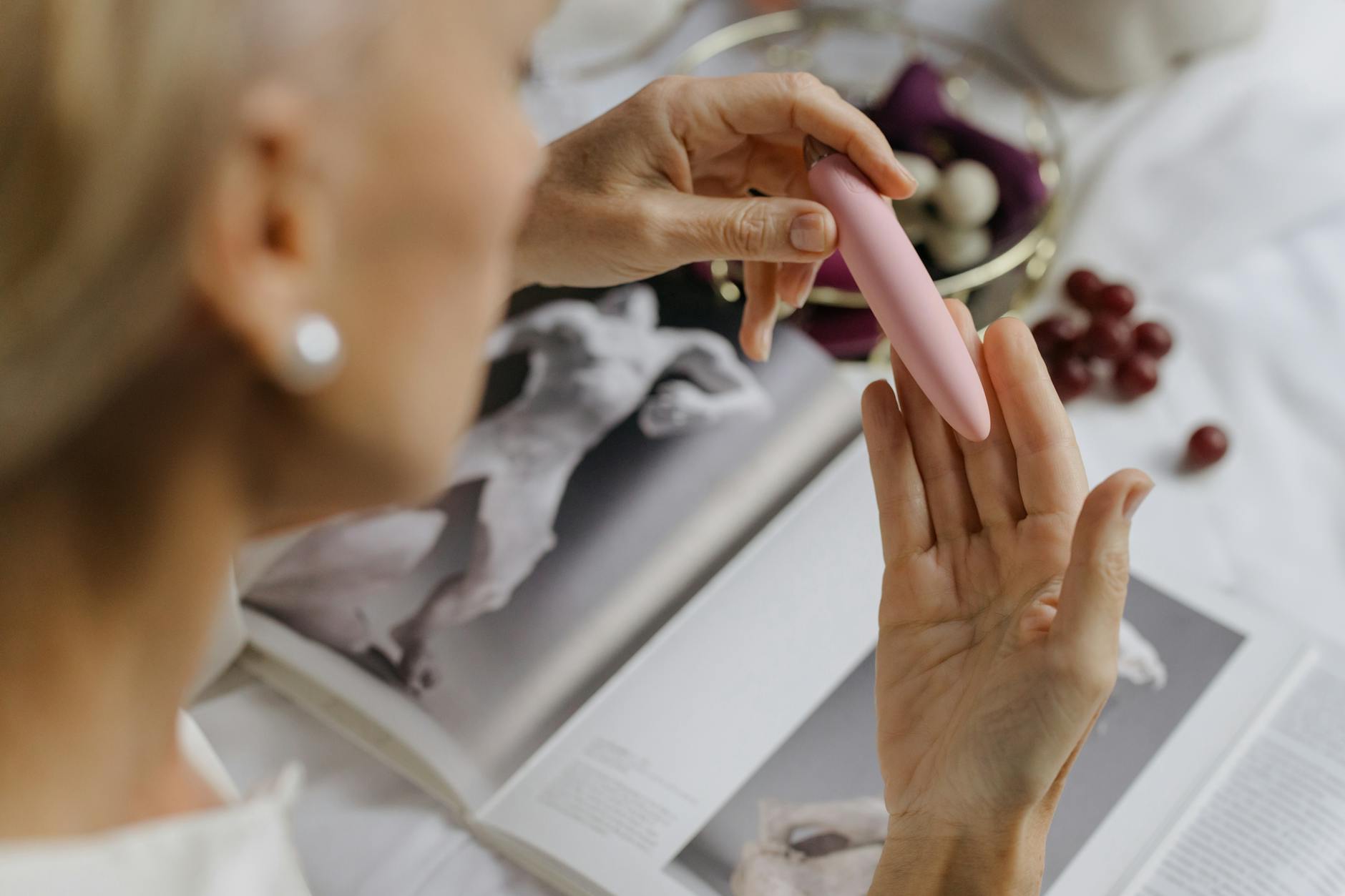
This is where lemon vibrators become useful. A clitoral vibrator like the Lemon offers something completely different from your partner's hands or any routine you've built. It's a new stimulus. Your nervous system wakes up. Your clitoris has to pay attention because this is unfamiliar.
Starting solo: the foundation that actually works
Spend two to three weeks touching yourself with a lemon vibrator with zero expectation of orgasm. Sounds weird. I mean it.
Start with patterns you'd never choose with a partner. Pattern 1 feels too gentle, so stay there for three minutes. Notice what happens. Does it build? Does it feel ticklish? Does your mind wander? All of that is data. Your clitoris is remembering how to signal what it wants.
Then shift to a pattern that feels "too intense." Again, stay. Your nervous system is recalibrating. It's learning that intensity doesn't have to lead anywhere. It can just be sensation for its own sake.
The reason this works alone first: you can't perform. You can't worry about taking too long. There's no partner waiting. Your brain finally has permission to just feel.
The sensations that rebuild responsiveness fastest
Different people, different clitorises. But patterns I see most often:
Rhythm variation. Your partner probably uses one steady rhythm. Start with pattern 1 for 30 seconds. Switch to pattern 3 for 30 seconds. Back to pattern 1. This variability teaches your nervous system to stay present. You can't anticipate. You have to feel each shift.
Gentler touch revisited. If your partner tends toward firm pressure, spend time with the lowest settings on a lemon vibrator. Your clitoris gets to remember what sensitive feels like. This is crucial. Over years, we stop being gentle with ourselves because gentle doesn't "work" anymore. But sensitivity returns when you practice it.
Localized suction. This is why the Lemon design matters. Suction stimulates different nerve endings than vibration alone. If you've only ever experienced partner touch or standard vibrators, suction is novel. Novelty wakes the nervous system back up.
When to bring a partner back into the picture
Not until you've felt the difference alone. This is non-negotiable.
Once you've spent a few weeks rediscovering what your body can feel, you have information. You know what patterns build sensation. You know what gentle actually feels like again. You know what you're missing.
Then have a conversation. Not during sex. Before sex. "I want to try something new. I want us to vary our rhythm. I want you to ask what feels good right now instead of assuming." Frame it as something you want to explore together, not something they're doing wrong.
Consider using the lemon vibrator together. Some partners feel threatened by this. Many don't. If you're rebuilding sensation after years of routine, a clitoral vibrator becomes a shared tool, not a replacement. It's the thing that says "this is new territory for both of us."
The conversation you might need to have
Long-term relationships stall when one person assumes they know what the other person wants. Especially around sex. "You always like this pressure." "You come faster with this angle." Those assumptions were probably true once. They're often not anymore.
Rebuild sensation alongside rebuilding curiosity. Ask your partner what they want to try. Tell them what you've discovered solo. Make it a conversation about rediscovery, not about what's been missing.
If your partner isn't interested in varying things, that's different information. But usually people are. They're bored too. They just don't know how to say it.
Why lemon vibrators specifically work for this
Clitoral vibrators are designed for sensitivity. A lemon vibrator offers multiple patterns, so there's built-in variation. You're not doing the same thing twice. You're also not relying on a partner's hand strength or rhythm staying consistent.
Lower settings rebuild sensitivity. Higher patterns keep novelty alive. You get to control the pace. There's no performance pressure. Your nervous system finally gets to relax enough to actually feel.
Signs sensation is coming back
You'll notice:
Smaller touches create bigger responses. A light brush of your partner's finger surprises you. That's sensation returning.
You want sex differently. Not just more often, but more varied. Different positions. Different timing. Your body is asking for what it needs again instead of accepting what's available.
You're present during sex. Not thinking about the laundry or what's for dinner. Your mind is actually in your body. This is the clearest sign your nervous system has rewoken.
Orgasms feel different. Often more intense because you're actually paying attention. Sometimes quicker because your clitoris isn't exhausted from years of dull stimulation.
What if nothing changes
Sometimes rebuilding sensation bumps into other problems. If you've been disconnected from your body for years, the issue might be emotional rather than physical. Resentment. Feeling unseen. Grief about the relationship shifting. A clitoral vibrator won't fix that alone.
If pleasure stays muted even with new stimulation, consider whether there's a larger relationship issue worth exploring. Sometimes numb sensation is actually your nervous system telling you something important about what you need. Listen to that signal.
The framework that actually works
Four weeks alone with sensation exploration. Two weeks introducing partner variation. One conversation about what you both want. Then the actual work of staying curious instead than slipping back into routine.
Sensation doesn't stay rebuilt unless you keep varying things. This isn't about using a lemon vibrator forever. It's about using it to teach yourself and your partner that pleasure is bigger than whatever pattern got comfortable.
Your clitoris remembers novelty. You just have to give it a reason to pay attention again.