Here's what nobody tells you about touch sensitivity
Touch sensitivity isn't low desire. It's not a sign your body is broken. It's your nervous system being more responsive to input, which sounds great until you're holding a traditional vibrator that feels like it's trying to sandpaper your most sensitive tissue. Then it just feels like torture.
The problem isn't the sensitivity itself. It's that most vibrators are designed for people who need more stimulation to feel something. If you're already feeling everything intensely, a standard vibrator becomes overwhelming noise instead of a signal.
Lemon vibrators work differently because suction doesn't work the same way friction does. Here's why that matters for your body specifically.
Understanding what touch sensitivity actually means
Touch sensitivity exists on a spectrum, and it's not the same as pain. Some people have heightened nerve density in their clitoral area. Others have a nervous system that processes sensation more acutely. Some experience both. What they share is this: lighter, more dispersed stimulation feels better than intense, concentrated pressure.
Traditional vibrators buzz at high frequencies, usually between 5,000 and 10,000 Hz. The vibration is constant and direct. For someone with typical sensitivity, this builds arousal gradually. For someone with heightened sensitivity, it can feel like overstimulation within seconds. Your body isn't rejecting pleasure. It's rejecting the delivery method.

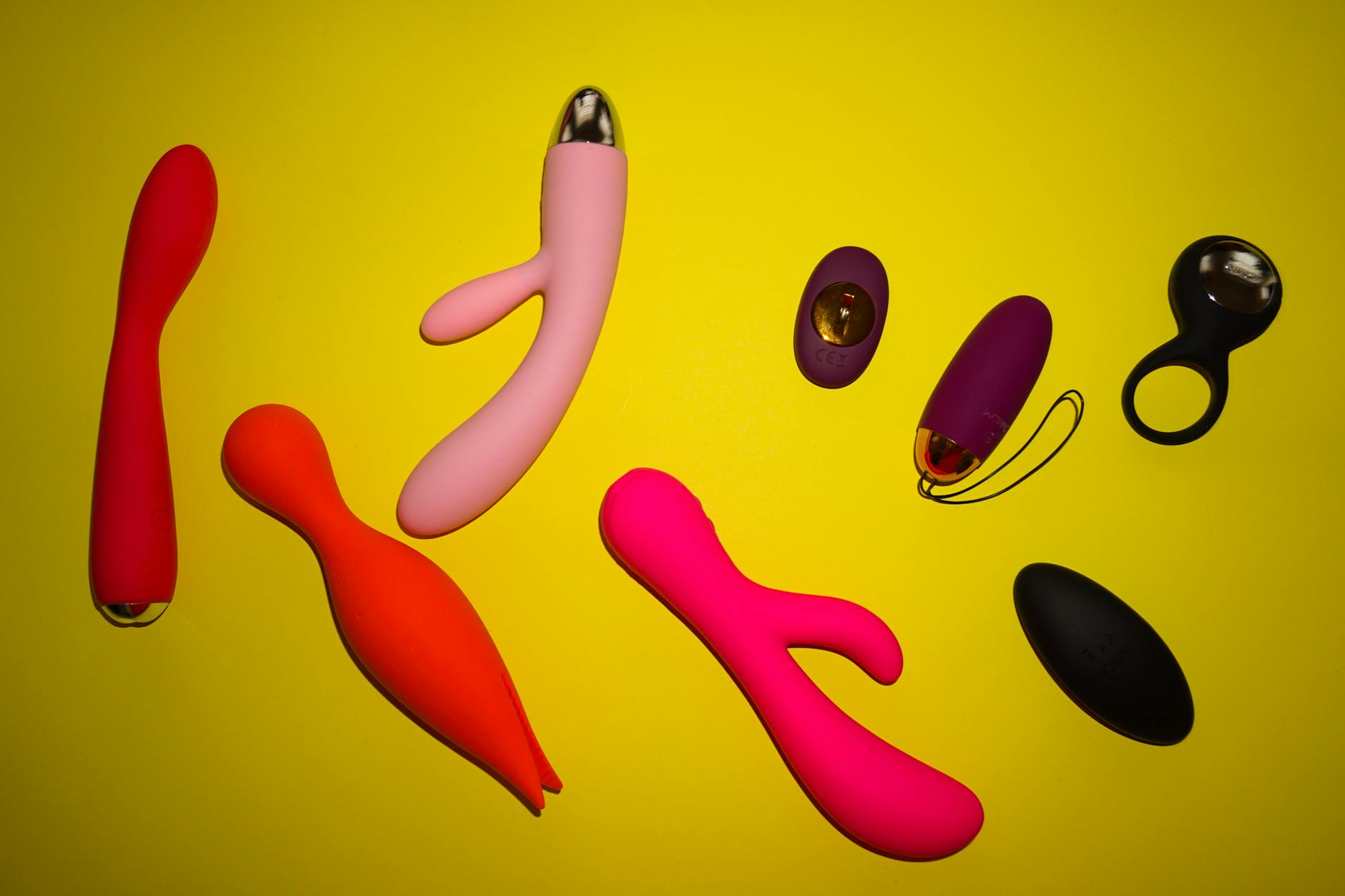
Photo by Madison Inouye on Pexels
Why suction feels completely different
Lemon vibrators use air-pulse technology, also called suction. Instead of vibrating back and forth, they create a gentle rhythmic sucking sensation. It's more like a soft kiss than a buzz. The stimulation is broader across the tissue rather than drilling into one point.
This changes everything for touch-sensitive people because suction feels more diffuse. The sensation spreads across a wider area instead of concentrating intensity on one spot. You get arousal building without the overwhelm.
The intensity range also matters. Most lemon clitoral vibrators start at lower pulse settings. You control exactly how much sensation you're receiving. You can stay at pattern one for as long as you need without anyone suggesting you should "just try a higher setting."
The practical setup that actually works
If you're touch sensitive and new to lemon vibrators, here's what I recommend:
Start externally, not directly. Apply lubricant first. Water-based lube reduces friction and makes the suction feel smoother. Then position the vibrator just adjacent to your clitoris, not directly on it. Let the suction pull gently toward it rather than pressing down on it.
Stay on pattern one or two for at least ten minutes. Your nervous system needs time to distinguish between overstimulation and genuine arousal. When your body feels safe, arousal builds naturally. This takes longer than with someone who's less sensitive, and that's not a flaw. It's your timeline.
Use the device sideways or at an angle. Direct head-on contact feels intense for sensitive people. Approach from the side or at a slight angle. This distributes the sensation differently and often feels less concentrated.
Take breaks if you need them. Unlike traditional vibrators, you can pause with a suction device and your arousal won't immediately drop off. If you feel overstimulated, turn it off for thirty seconds. Your body will stay engaged.
When it clicks, it clicks
Many touch-sensitive people describe their first real experience with a lemon clitoral vibrator as a revelation. Not because something was wrong with their body before. But because finally, after years of either avoiding vibrators entirely or white-knuckling through uncomfortable experiences, they found a device that meets them where they are.
Orgasms with a suction device often feel different too. They tend to build more gradually and arrive less abruptly. Instead of a sharp peak, many describe them as a rolling wave. That's not worse. For sensitive people, it's often better because there's less jarring intensity at the moment of climax.
Building your sensitivity toolkit
If you're sensitive but still want more control, there are a few things that help:
Know your pressure points. Some sensitive people tolerate suction better around the sides of the clitoris. Others prefer it more toward the base. A few minutes of experimenting with your fingers first (just noticing where feels good versus where feels too much) saves you time later.
Use pattern over intensity. Lemon vibrators offer different pulse patterns in addition to intensity levels. Sometimes a varied pattern at low intensity feels better than a steady pattern at medium intensity. You're looking for rhythm more than force.
Pay attention to your cycle. Touch sensitivity fluctuates throughout your month. Around ovulation, you might tolerate higher intensity. During your period, you might need the lowest settings. This isn't weakness. It's data. Use it.
Consider external plus internal. Some touch-sensitive people do fine with internal stimulation but struggle with external intensity. Others experience the opposite. You might use a lemon clitoral vibrator externally while a partner or another toy handles internal stimulation. Splitting the sensation sometimes feels better than concentrated input.
The partner conversation
If you have a partner, touch sensitivity sometimes gets misinterpreted as rejection. "You don't like what I'm doing" or "Why do you always want me to use a lighter touch?" Frame it clearly: you're not rejecting them. You're protecting your nervous system so you can actually enjoy what's happening.
Bring them into the discovery. Show them the lemon vibrator. Explain how it works. Let them try it on their own hand so they understand the sensation. When partners understand the mechanics instead of taking sensitivity personally, everything shifts. You move from "There's something wrong with your body" to "Let's find what works for your body."
When to seek more support
If you've been avoiding pleasure entirely because of touch sensitivity, or if sensitivity has gotten worse recently, talking to a sex therapist or a gynecologist trained in sensory issues is worth considering. Sometimes heightened sensitivity points to something like vulvodynia or dermatological concerns that respond well to treatment.
But often, especially for people who've just never found the right tool or approach, a lemon clitoral vibrator changes the entire game. You go from thinking your body is the problem to realizing it just needed the right delivery method.
FAQ
Can I use a lemon vibrator if I have pain with touch, not just sensitivity?
Pain is different from sensitivity. If touch causes pain (especially sharp pain), that points to something medical like vulvodynia or dermatological irritation. Start with your gynecologist before experimenting with any vibrator. Sensitivity and pain aren't the same, and treating them the same way can backfire. Once you've cleared it medically, a lemon suction device is sometimes recommended because it's gentler than traditional vibrators, but check with your provider first.
How is touch sensitivity different from low sensation?
They're opposite problems. Low sensation means you need more input to feel pleasure. Touch sensitivity means you feel input very acutely. Low sensation people often gravitate toward higher-intensity vibrators. Touch-sensitive people need gentler, more diffuse stimulation. A lemon vibrator works for touch sensitivity specifically because suction is lighter and more spread out than buzzing vibration.
Will using a lemon vibrator make me less sensitive over time?
No. Your nervous system isn't a muscle that gets tired from stimulation. If anything, consistently using a device you actually enjoy desensitizes you to the anxiety around pleasure that sometimes accompanies touch sensitivity. You're not changing your baseline sensitivity. You're reducing the mental resistance.
What if suction feels weird at first?
It usually does. If you've only ever used traditional vibrators, suction feels unfamiliar for the first few experiences. Give it three to five sessions before deciding it doesn't work. Your body needs time to adjust to a new sensation. Weird isn't the same as wrong. Many touch-sensitive people say suction feels strange initially but clicks into place after a few tries.
Can I use lemon vibrators with a partner if I'm touch sensitive?
Absolutely. Some sensitive people actually enjoy partnered use because a partner can control the intensity and pacing instead of worrying about overstimulating themselves. Start slow, communicate continuously, and remember that your sensitivity is information your partner can work with, not an obstacle they need to overcome.
Are there other vibrators that work for touch sensitivity besides lemon vibrators?
Some air-pulse devices and lower-intensity vibrators help. But lemon vibrators specifically are designed around suction from the start, which is why they tend to feel noticeably different from traditional vibrators. If a lemon clitoral vibrator isn't your vibe, other air-pulse tools exist. The key is finding devices that prioritize diffuse stimulation over concentrated intensity. That's how you'll know if a tool might work for your body.
Your body isn't the problem
Touch sensitivity has been framed for so long as a limitation or a sign something's wrong. It's not. It's a different kind of nervous system responding to the world (and to pleasure) more acutely. The right tool makes all the difference.
Lemon clitoral vibrators work for sensitive bodies because suction is fundamentally different from vibration. It's gentler, more diffuse, and you control the pace entirely. If you've been avoiding vibrators because they felt like too much, or if you've been settling for a kind of pleasure that never quite feels right, it's worth trying. Your body's sensitivity isn't a barrier. It's just been waiting for the right approach.
If you want to explore what works best for your specific situation, we're here. Reach out to our team and let's figure this out together.