Here's the tricky part about recovering together
One of you had a rough illness. You both made it through. But you're on completely different timelines now. One partner's energy is back. The other is still wiped out by 8 p.m. One wants to reconnect physically. The other needs weeks more before touching feels like anything other than one more demand on an exhausted body.
This is real. This is common. And it's also incredibly frustrating to navigate because neither of you is wrong.
Why recovery timelines almost never sync
Illness doesn't hit two bodies the same way. Even if you both had the same virus or surgery, genetics, age, stress levels, and underlying health all shape how fast your nervous system reboots. One partner might feel physically fine but emotionally drained. The other might have physical symptoms that linger even though mentally they feel ready. Add in different work schedules and caregiving responsibilities during recovery, and you've got two people in completely different places.
The sexuality piece gets complicated fast. Sexual response requires energy, presence, and a nervous system that isn't in threat mode. When one of you is still in recovery mode (literally still producing stress hormones, still running on fumes), the thought of sex can feel like another item on a to-do list instead of a reconnection.
This creates a silent rift. The partner who's ready feels rejected. The partner who's not ready feels pressured. Neither of you meant to create tension, but suddenly you're both carrying it.
What actually happens to desire during recovery
Desire doesn't come back on a schedule. It's not like a light switch. Your body needs to feel safe first. Your nervous system needs to feel resourced. For many people, that takes longer than the physical recovery looks like on the outside.
I work with couples where one partner is cleared by their doctor to resume normal activity, but their body is still sending "rest now" signals. The exhaustion might not be obvious. You might look fine. You might feel fine mentally. But your libido is still in the basement because your adrenal system is still ramping back up.
Here's what helps: patience that's not resentful, and tools that don't require both of you to be on the same page.
How lemon vibrators fit into different recovery timelines
This is where lemon clitoral vibrators become useful in a way that's rarely discussed. They're not about forcing anyone back into pleasure before they're ready. They're about giving the partner who's ready something that doesn't depend on the other person's timeline.
Solo pleasure during recovery isn't selfish. It's actually a compassionate move. If you're ready and your partner isn't, lemon vibrators give you a way to take care of your own needs without creating pressure or resentment. You're not waiting. You're not pushing. You're maintaining your own wellbeing while your partner heals.
For the partner who's still recovering, lemon vibrators can actually help rebuild sensation in a gentler way. If you're not ready for partnered sex but you want to reconnect with your own pleasure, air-suction devices like the Lem work particularly well because they don't require the kind of physical energy or performance that penetrative sex or traditional vibrators demand. Suction does the work. Your body just gets to receive.
The actual conversation you need to have
Honestly though, the tool doesn't matter as much as the conversation does. Here's what I recommend to couples with mismatched timelines.
First, separate the physical from the emotional. "I miss you" is a real statement that doesn't have to equal "I need sex right now." You can reconnect by holding hands, showering together, or just being present. That's not a consolation prize. That's actual intimacy while your nervous systems recalibrate.
Second, get specific about timelines without pressure. Not "when will you be ready?" which sounds like urgency. More like "what does your body need right now?" Maybe the answer is three more weeks. Maybe it's different every day. That's the real answer, and that's what you're working with.
Third, make solo pleasure a normal conversation, not a taboo one. If one of you wants to use lemon vibrators or other solo tools, that's not a referendum on the relationship. It's a practical solution to two people being in different places.
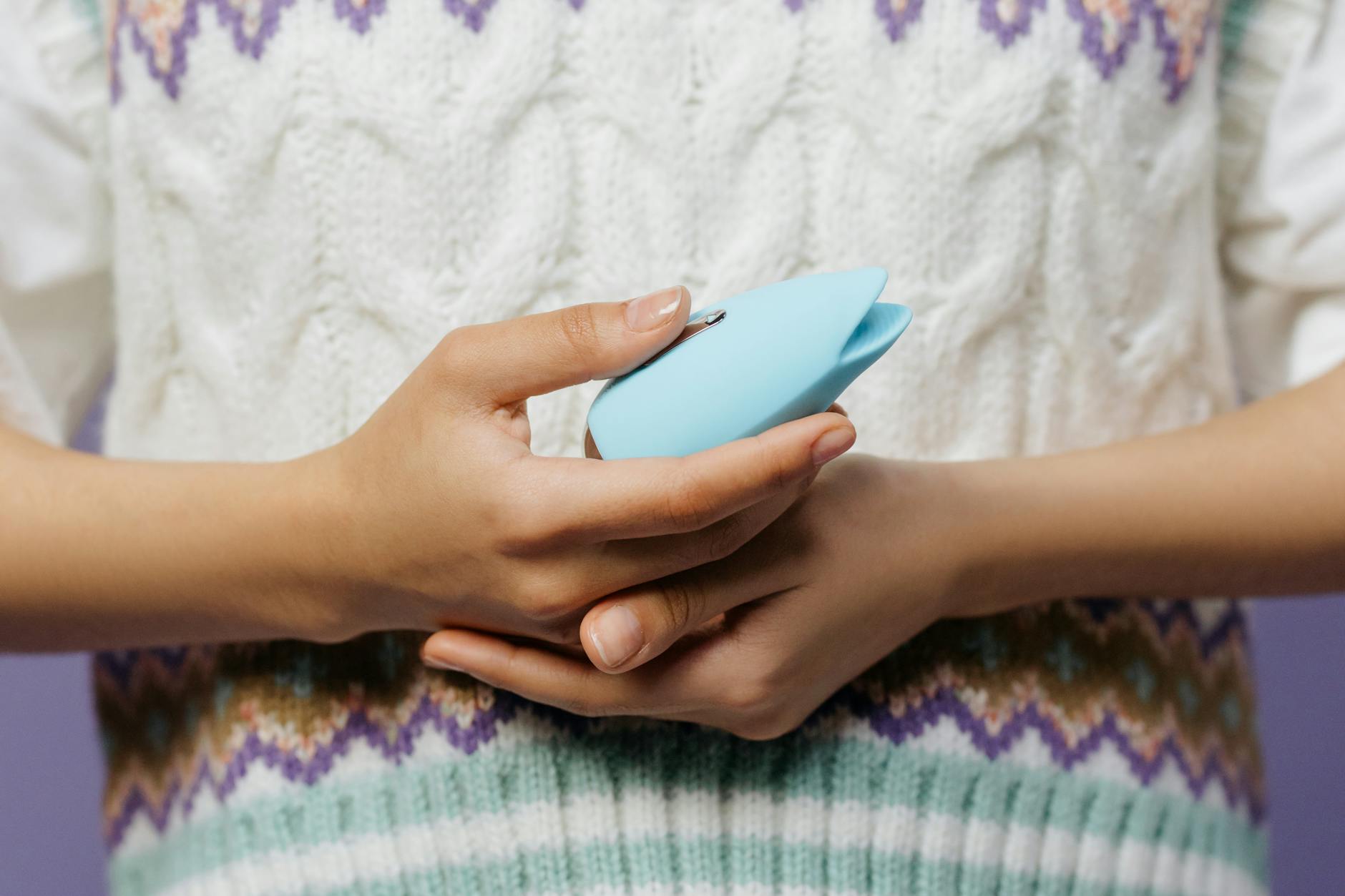
Photo by cottonbro studio on Pexels
When to start rebuilding partnered pleasure
The partner who's recovering gets to set this pace. Not guilt. Not obligation. Not even compromise, at first. Real readiness looks like energy returning, not just absence of symptoms.
When your partner signals they're getting closer, you can start small. Kissing without expectation. Touching without it leading anywhere. Maybe manual stimulation. Maybe just being naked together without performance pressure.
Lemon clitoral vibrators can actually help ease into partnered pleasure again because they take pressure off. You can use one together without either of you having to "perform." Your partner doesn't have to be hard or wet or energized. They can just be present while you use the vibrator. It's connection without demand.
Or maybe one of you uses it while your partner watches. Or talks you through it. The point is that lemon vibrators give you options that don't require both partners to be at the same place physically.
The tricky part about desire mismatch that never gets discussed
Sometimes one partner stays ready and the other... doesn't come back the same way. Depending on what the illness was, post-viral syndrome or chronic fatigue can permanently change energy levels. Depression during recovery can suppress libido longer than the physical symptoms last.
If it's been months and one partner's desire still hasn't returned, that's worth checking with a doctor. It's also worth talking to a therapist. Not because anything is wrong with you, but because sometimes desire needs support to come back.
In the meantime, lemon vibrators and other solo tools let you maintain your own relationship with pleasure while you're figuring out the partnered side. That matters for your own wellbeing, not just for the relationship.
How to actually use lemon vibrators during this phase
If you're the partner ready to go but not wanting to push, start with solo use. Use one of the Lemon's settings on a lower pattern. Take your time. This is for you, not for performance. Your pleasure during recovery isn't about proving anything.
If you're rebuilding together, start external only. The clitoral vibrator does all the work. No pressure to be aroused in a particular way or on a particular timeline. Your partner can be as involved or hands-off as feels right.
Water-based lubricant helps, especially if illness included dehydration or if you've been on medications that dry things out. Not because something's wrong, but because it makes sensation better.
Patterns on lower settings often feel less intense and more sustainable when you're rebuilding. You're not looking for intensity right now. You're looking for reconnection.
What actually heals the rift
It's not lemon vibrators or any toy. It's consistency. It's showing up for each other even when you're not on the same page. It's the partner who's ready respecting the timeline of the partner who's recovering. It's the partner recovering not punishing the other for having their own needs.
When you rebuild from that place, pleasure comes back naturally. Sometimes faster than you expected. Sometimes it takes real time. But when it comes back, it's usually deeper because you waited without resentment.
People also ask
How long does it usually take for libido to return after a serious illness?
There's no standard timeline. Physical recovery and sexual recovery operate independently. Some people feel physically better in weeks but don't want sex for months. Others feel ready before their body actually has the energy for it. Recovery from serious illnesses like long COVID or post-viral syndrome can take years, and libido might not fully bounce back to baseline. The best approach is checking in with your own body without timeline pressure, not rushing either direction.
Is it normal for one partner to want sex way before the other after illness?
Completely normal. Even in couples where both partners get the same illness, recovery timelines differ radically. Hormones, stress response, age, fitness level, and underlying health all shape how fast desire returns. Add in different caregiving roles or work stress during recovery, and it's almost guaranteed you'll be out of sync for a while. That's not a relationship problem. It's biology.
Can lemon vibrators help if one partner feels touched out after illness?
Yes, because they're different from partnered touch. If you're experiencing touch fatigue or sensory overload from recovery, a lemon clitoral vibrator gives the pleasure-seeking partner an outlet that doesn't require touching the recovering partner. It also gives the recovering partner a way to explore their own pleasure at their own pace if they want to, without performance pressure.
What if one partner's desire never fully comes back after illness?
That's worth investigating. Persistent libido loss after illness can signal lingering physiological changes, medication side effects, hormonal shifts, or depression. A conversation with your doctor helps rule out the medical stuff. A therapist can help you navigate whether this is temporary recovery fatigue or something that needs a different approach. Meanwhile, solo pleasure tools like lemon sexual toys keep you connected to your own sexuality while you're figuring it out.
How do I tell my partner I want to use a lemon vibrator when we're on different timelines?
Directly and kindly. "I still have sexual needs, and I want to take care of those while you recover. I'd like to use a vibrator. I'm not asking you to do anything. I just want you to know." If your partner has insecurities about toys, that's a separate conversation. But framed as self-care during recovery rather than a commentary on your relationship, it usually lands better. Sometimes your partner might want to be in the room with you. Sometimes they might want space. Either is fine.
What if using lemon vibrators feels like giving up on partnered sex?
It's not. It's actually building toward it. Solo pleasure maintains your own connection to sensation and desire while your partner recovers. That keeps you from building resentment. It also means when your partner is ready, you're not running on fumes from months of trying to suppress your own needs. You're actually resourced. Paradoxically, taking care of yourself separately often means partnered sex comes back better when it does.