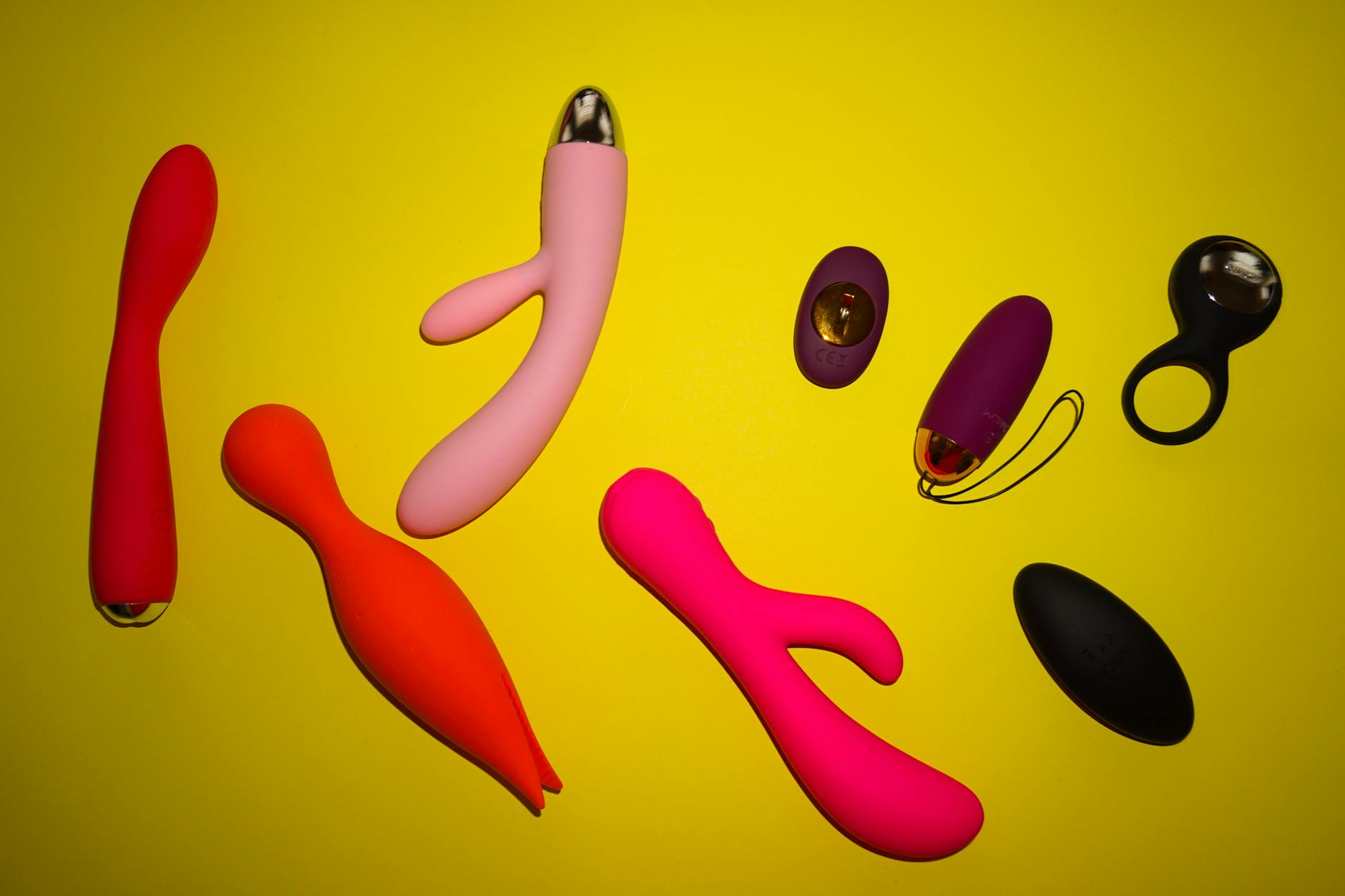
Here's the thing about stress and sex
Stress doesn't make you numb to pleasure. It makes you numb to the idea of pleasure. That's an important distinction because it changes how you approach the problem.
When anxiety is running the show, your nervous system is in fight-or-flight mode. Your brain is doing threat assessment. Your body is braced. That's not a sensation problem. That's an activation problem. And it means you need tools that do something different than what you'd reach for if numbness was the actual issue.
Why your desire disappears when life gets loud
Stress floods your system with cortisol, which is basically your body's alarm bell. Cortisol and dopamine are rivals for the same neurochemical real estate. When one spikes, the other drops. Dopamine is what makes you want things. Want sex, want food, want connection. When cortisol wins that fight, desire just vanishes.
It's not laziness. It's not that you've stopped being attracted to your partner. It's that your brain has decided that desire is a luxury it can't afford right now. Your body's job is to survive the deadline, the argument, the financial thing. Sex? That can wait.
The frustrating part: this isn't a hormonal malfunction. It's a feature. Your nervous system is doing exactly what it's supposed to do. Which means you can't think your way out of it. You have to move through it.
Why lemon vibrators work differently when stress is the culprit
Here's what a lemon clitoral vibrator does that thinking about desire doesn't: it interrupts the anxiety loop by moving sensation front and center.
When you're stressed, your attention is scattered. It's in three different time zones, solving problems that don't exist yet. A vibrator like the Lemon brings your focus back to your body. Not in a forced, meditative way. In a physical, unavoidable way. That redirection matters more than the vibration itself.
The suction pattern on lemon vibrators is also gentler than other styles. It doesn't demand intensity. It invites response. That matters when your nervous system is already amped. A harsh, overwhelming sensation can actually deepen anxiety. A pulsing, rhythmic sensation can slow your heartbeat down and signal to your brain that it's safe to feel something other than fear.
The reset protocol: how to actually use a lemon vibrator when stress has killed your libido
Step 1: Separate pleasure from performance.
Don't use a lemon vibrator because you think you should be horny. Use it because your body deserves a break from bracing. That's a different conversation entirely. You're not trying to manufacture desire. You're trying to remember what pleasure feels like.
Step 2: Do it alone first.
If your stress includes relationship anxiety or performance pressure, solo time is non-negotiable. Your nervous system needs to learn that touch is safe again before you add a partner's expectations into the room. Even good intentions can feel like pressure when you're already in fight-or-flight.
Step 3: Start with the lowest setting.
Your instinct might be to crank it up and try to force sensation. Don't. Low intensity on a lemon vibrator is still plenty of stimulation. It just feels less aggressive. At low speeds, you can actually feel the suction pattern working, which is hypnotic and anchoring. It tells your brain: "Pay attention to this. This is good."
Step 4: Let your mind wander, then let it anchor.
You're not meditating. You don't need to clear your head. In fact, if your brain wants to think about the spreadsheet for the first two minutes, let it. What matters is that your body is feeling something while your brain is processing other stuff. That's actually how you rewire the nervous system. You're proving to yourself that pleasure and stress can exist in the same moment without one canceling out the other.
Eventually, though, sensation will pull your focus. You'll suddenly realize you haven't thought about work in a minute. That's the moment you're looking for. That's the nervous system reset.
Step 5: Stop if it doesn't feel good.
This is crucial. If at any point the vibration feels like too much, like it's adding to your anxiety rather than relieving it, stop. This isn't about forcing an outcome. It's about showing your body that pleasure is possible and safe.
Why this works even when your desire hasn't returned yet
You don't need desire to experience pleasure. You need a nervous system that's calm enough to notice it. A lemon clitoral vibrator, used gently and alone, is one of the fastest ways to retrain that nervous system.
After a few sessions, something shifts. You'll notice you're thinking about it during the day. Not obsessively. Just a small "that felt nice" thought. That's dopamine coming back online. That's your brain deciding that wanting things is safe again. Desire follows sensation. Not the other way around.
When to bring your partner back into the picture
Once you've spent a week or two rediscovering sensation on your own, your partner can join in. But the framework matters. You're still not trying to manufacture desire. You're inviting them to help create a calm, pressure-free space where pleasure can exist.
Many partners are relieved to learn this approach. They're usually blaming themselves for the low libido anyway. Knowing there's a concrete reset protocol, and that it actually works, takes an enormous amount of pressure off both of you.
If you're in a long-term relationship, you might also discover that using a lemon vibrator together is different than sex. It's intimate without requiring the traditional performance frame. Some couples find that this actually helps them reconnect in a way that no amount of "we need to talk about our sex life" conversations ever did.
The timeline you should expect
If your stress level is moderate, you might feel a shift in desire within two to three weeks of regular use. If your stress is chronic or severe, it might take longer. That's not a failure. That's just how nervous systems work. They rewire slowly and steadily, not overnight.
But here's what usually comes first: you'll notice pleasure returning before desire. You'll use a lemon vibrator and actually feel good. Then, a few days later, you'll think about using it again without being prompted. That second thought is the win. That's your body signaling that it's ready to want things again.
What to do if stress is paired with other things
If your low libido is stress plus medication, stress plus hormonal changes, or stress plus relationship tension, a lemon vibrator is still useful. But it's one piece, not the whole picture.
If medication is part of the problem, talk to your doctor about timing. Sometimes shifting when you take it can help. If hormonal changes are involved, that's a separate conversation with a doctor. If relationship tension is the real issue, that might need a therapist or couples counselor before a vibrator can truly help.
The Lemon Sex Toys approach is never "vibrator fixes everything." It's "vibrator is one powerful reset tool that works especially well when you understand what problem you're actually solving."
FAQ
Can a lemon vibrator help if I'm on antidepressants that lower my sex drive?
Yes, but with nuance. Antidepressants can blunt sensation and desire as a side effect. Using a lemon clitoral vibrator on low settings can help wake up sensation. But if the medication side effect is severe, that's a conversation for your doctor first. Sometimes timing or dosage adjustments help. A vibrator is a useful companion tool, not a replacement for medical advice.
How often should I use a lemon vibrator if stress is killing my libido?
Start with two to three times a week. You're not trying to reach an orgasm or hit a performance goal. You're just reminding your nervous system what pleasure feels like. Once desire starts returning, you can naturally increase frequency based on what feels good.
What if using a vibrator makes my anxiety worse?
That can happen if you're putting pressure on yourself to feel good. The solution is to remove the goal entirely. Use it for five minutes with zero expectations. If it still feels stressful, take a break and try again in a few days. Your nervous system might just need more time.
Is a lemon clitoral vibrator better than other vibrators for stress-related low libido?
The suction pattern on a lemon vibrator is gentler and more rhythmic than traditional vibrators, which makes it less likely to add to anxiety. The silicone is also softer, which feels less clinical and more sensual. That matters when your nervous system is already in overdrive.
Can I use a lemon vibrator if I'm in a relationship but stress is making me avoid sex?
Absolutely. In fact, starting solo is often the best path. Once you've rebuilt sensation and comfort with your own pleasure, you can invite your partner in. Many couples find this approach actually strengthens their connection because it removes the pressure dynamic.
How do I know if my low libido is stress or something else?
Stress-related low libido usually hits suddenly and correlates with what's happening in your life. You'll notice your desire drops right when work gets intense or a difficult situation starts. If your low libido came on gradually without a clear trigger, or if it's been consistent for years, that might point to hormonal changes or other medical factors. A doctor can help sort that out.
The real permission you need
Let's be honest: using a lemon vibrator when you're stressed and have no desire feels like you're admitting defeat. Like you should just white-knuckle your way through until desire comes back on its own. That's not how nervous systems work.
Using a tool to help your body remember what pleasure feels like isn't lazy. It's smart. It's meeting yourself where you actually are instead of where you think you should be. And it usually gets you back to wanting things faster than pretending everything is fine.
Your pleasure matters. Even when life is loud.