Here's the thing about sensory sensitivities and pleasure
You've probably been told that the solution to overwhelm is "just relax" or "get used to it." Neither of those work, and both miss the actual point. Your nervous system isn't broken. It's just processing sensation differently, which means the standard approach to lemon vibrators or any adult toy needs adjustment, not abandonment.
Sensory sensitivities can show up as texture aversion, vibration intensity feeling too loud, patterns being distracting, or even light touch triggering a flinch response. Any of those is legitimate. And yes, pleasure is still completely available to you. You just need to know how to dial it in.
Why standard vibration patterns feel overwhelming
Most clitoral vibrators, including entry-level lemon vibrators, come preset with a few standard patterns. For people with typical sensory processing, these patterns build arousal gradually. For someone with sensory sensitivities, those same patterns can feel chaotic or intrusive.
Here's what's happening: your nervous system is processing the vibration as signal plus noise. When the pattern changes every few seconds, your brain has to recalibrate each time. That takes energy. Over time, that energy drain feels like overwhelm, not pleasure.
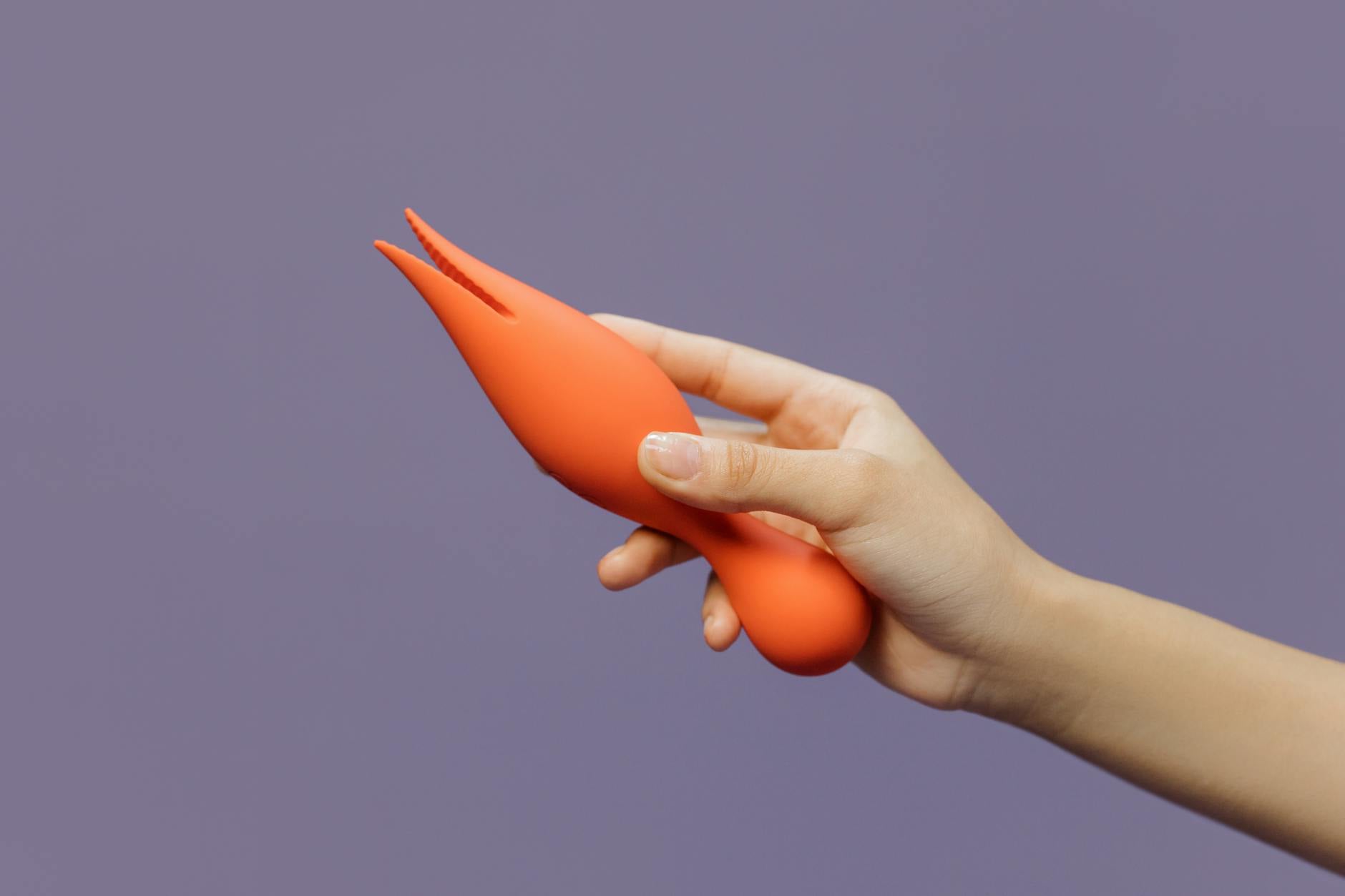
The Lemon Clitoral Vibrator was designed with adjustable intensity, which changes everything. Starting at the lowest setting gives your body time to acclimate without flooding your nervous system.
The pre-pleasure prep that makes the biggest difference
Three things should happen before you turn anything on.
First, nervous system regulation. Spend five to ten minutes doing something that calms your system. That might be deep breathing, a warm shower, listening to instrumental music, or sitting quietly. This is not meditation. This is priming your nervous system to be receptive rather than defensive.
Second, environmental clarity. Remove anything that might interrupt you mid-pleasure. Close the door. Put your phone in another room. Let your partner know you need uninterrupted time. Sensory sensitivities often come with heightened threat detection, so eliminating potential startles helps your system stay regulated.
Third, physical centering. Some people benefit from starting clothed and gradually undressing as arousal builds. Others need skin contact early. The point is knowing what your body needs and honoring it. This isn't about pushing through discomfort. It's about listening first.
Starting with the lowest setting and staying there
This is not a temporary measure. This is the baseline.
When you first use lemon clitoral vibrators with sensory sensitivities, set the intensity to level one. Spend ten to fifteen minutes there. Your nervous system needs time to understand that this sensation is safe and consistent. Rushing to higher settings is exactly how you end up feeling overstimulated.
At level one, a toy like the Lemon Clitoral Vibrator delivers consistent, gentle stimulation. It's not boring. It's focused. Many people find that arousal builds differently at lower intensities. Instead of a rapid spike followed by a plateau, you get a slow climb that feels more sustainable.
Once you're familiar with level one and your body is responding predictably, you can experiment with level two. This progression might take weeks or even months. That timeline is fine. Pleasure isn't a race.
Texture and pattern considerations for sensitive nervous systems
Silicone is usually the easiest texture for sensory-sensitive bodies because it's uniform. No unexpected rough spots, no porous surfaces that create unpredictability. When you're choosing lemon sexual toys, smooth silicone is your friend.
As for patterns, many clitoral vibrators offer steady vibration as the default option. That's your best choice initially. Steady means your nervous system can predict what's coming. Patterns with sudden changes, especially rapid on-off cycles, tend to feel jarring rather than pleasurable when you have sensory sensitivities.
If a toy offers pattern customization, stick with simple rhythms initially. A steady pulse is easier to integrate than alternating patterns. Once your body understands the toy and your nervous system has regulated around it, you have room to explore.
Positioning and pressure management
Direct contact at full pressure is often too much for sensory-sensitive bodies. Instead, try layering something between the toy and your skin. A thin cotton cloth, a soft microfiber cloth, even two layers of underwear creates a buffer that reduces intensity without losing sensation.
This isn't a workaround. It's a legitimate adjustment that many people use regardless of sensory sensitivity. Some find it more comfortable, some find it adds texture interest, and some use it specifically when their nervous system is already activated or tired.
Pressure also matters. Gentle contact, starting light and only gradually increasing firmness, gives your body time to acclimate. Think of it less as "pressing" and more as "resting the toy against your body while using the vibration to do the work."
When to pause and when to push through is complicated
Here's where the rubber meets the road: sometimes what feels like overwhelm is actually your nervous system adjusting. Sometimes it's a genuine sign that you need to stop.
The difference is consistency and predictability. If you start at level one and after five minutes your body is still responding with tension or flinching, pause. If you're at minute two and experiencing initial tension that's gradually releasing, that might be adjustment. Pay attention to the direction: is sensation moving toward ease or away from it.
This is where taking time matters. Rushing through this learning curve means you never quite figure out what your particular nervous system needs. Slowing down means you build actual confidence in your body's responses.
Consider keeping a simple log: what setting, how long, what happened. After a few weeks, patterns emerge. You'll notice "level two after a warm bath feels good" or "mornings are harder than evenings" or "I can tolerate intensity better after yoga." That's usable information.
Communicating with a partner about sensory needs
If you're using lemon adult toys with a partner, communication is where most couples stumble.
Instead of "this is too much," try "my nervous system needs us to slow down." Instead of "I can't do this," try "I need to build up to this at a different pace than you might." The specificity matters because it shifts the conversation from your body being "difficult" to you having actual needs.
Many partners worry that respecting sensory sensitivities means sacrificing their own pleasure. It usually doesn't. It means finding what works within your shared reality. That might mean they use a toy on themselves while you're using one at your own pace. It might mean taking turns with intensity levels. It might mean discovering that your sensory sensitivities actually sync better with their preferences than standard approaches did.
When sensory sensitivities shift or improve
Your nervous system's sensitivity isn't fixed. Stress, sleep, hormones, and whether you're in a healing phase all affect how easily you're overstimulated.
Posttrauma recovery, for instance, often comes with temporary sensory sensitivities that fade as regulation improves. ADHD sensory needs might shift seasonally. Hormonal cycles can affect tactile sensitivity. The point is that your current tolerance level might not be your forever tolerance level.
This means revisiting your approach periodically. Something that felt overwhelming six months ago might feel manageable now. That doesn't mean you should push yourself back to old settings. It means you have more options than you used to.
Your sensory sensitivities aren't a barrier to pleasure. They're information about how your nervous system processes joy.
The FAQ: sensory sensitivities and pleasure
Can sensory sensitivities improve with lemon vibrator use over time?
Sometimes. Regular use at comfortable levels can help your nervous system gradually expand its window of tolerance. But that's a side effect, not the goal. The goal is pleasure at whatever settings feel good to you right now. If improvement happens, great. If your sensory sensitivity stays the same and you've learned to work with it brilliantly, that's also completely fine.
What if even level one feels too intense?
If the lowest setting still overwhelms you, try starting with the toy turned off and just resting it against your body. Some people benefit from ten minutes of contact without vibration first, building association between the toy and safety. Then try turning it on for ten seconds at a time, building duration gradually. This is slow, but it works.
Are there lemon sexual toys designed specifically for sensory sensitivities?
Not marketed that way, but certain toys work better. Look for silicone construction, adjustable intensity, and simple on-off or steady-vibration options. The Lemon Clitoral Vibrator fits this profile well. Avoid toys with excessive patterns or texturing if you know those trigger you.
Can I use lemon clitoral vibrators if I have autism or ADHD?
Yes, but you might need to approach them differently. Autistic sensory needs and ADHD sensory processing both show up differently between individuals. Some autistic people find vibration deeply soothing. Others find it chaotic. Start low, go slow, and let your actual experience guide you rather than general advice.
How do I know if what I'm feeling is pleasure or just tolerance?
Pleasure has a direction. It moves toward ease, toward wanting more of that specific sensation, toward your body relaxing. Tolerance is neutral. You're not uncomfortable, but you're also not drawn toward it. If you're consistently at tolerance rather than pleasure, you might need to adjust settings, timing, or environment. Pleasure should feel appealing, not like something you're managing.
Should I see a healthcare provider about sensory sensitivities affecting pleasure?
If sensory sensitivities are new, worsening, or preventing you from activities you value, talking to a healthcare provider makes sense. They can check for underlying causes like infections, hormonal changes, or conditions that affect sensation. If you know your sensitivities are just how your nervous system is wired, you don't need permission to work around them. Just need information and patience.
Your sensory sensitivities aren't a bug in your pleasure system. They're part of how you're wired. Working with that wiring, rather than against it, is where sustainable pleasure lives. Take the time. The good stuff is worth the setup.
If you're still figuring out what works for your body, reach out. We're here to help you find your rhythm.