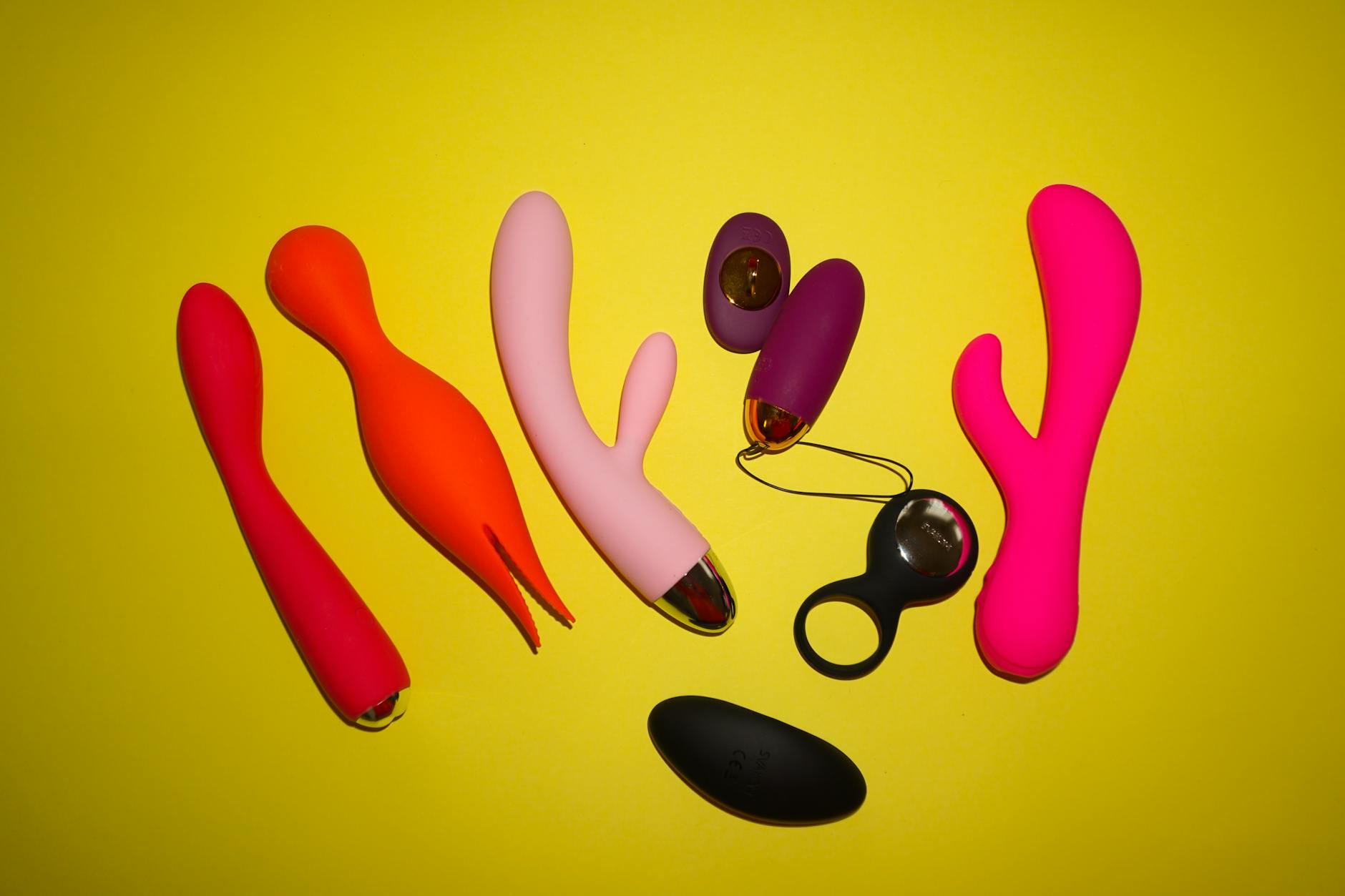
How to Use Lemon Vibrators When Estrogen Levels Drop During Perimenopause
Here's the thing nobody tells you about perimenopause: your pleasure isn't disappearing. It's just operating under different conditions. And once you understand those conditions, lemon vibrators become wildly more effective.
Estrogen doesn't just regulate your cycle. It affects tissue thickness, blood flow to the vulva, natural lubrication, and how quickly your nervous system responds to stimulation. When estrogen starts fluctuating wildly during perimenopause, all of that gets shaky. The good news is that air-suction technology in lemon clitoral vibrators is specifically suited to work with thinning tissue and requires less direct friction to trigger intense sensation.
I'm going to walk you through exactly how to use your Lemon vibrator during this transition so that pleasure stays consistent, powerful, and pain-free.
What Actually Happens to Sensation When Estrogen Drops
Let's skip the textbook version. When estrogen levels decline during perimenopause, three specific things change in the vulva:
First, the tissue lining your vagina and vulva gets thinner. This is called genitourinary syndrome, and it's common but not permanent. Thinner tissue is more sensitive to friction and can feel uncomfortable if you use the same intensity you always have.
Second, blood flow to the clitoris decreases slightly. This means arousal takes longer to build and the clitoral erection (yes, it's a real thing) isn't as pronounced. Many people notice their clitoris feels less prominent during this phase.
Third, vaginal lubrication drops significantly. This is the biggest practical shift. You can't rely on natural wetness to protect tissue during friction-based stimulation, which is why lemon sexual toys with their suction mechanism become genuinely brilliant during perimenopause.
Why Lemon Vibrators Work Better for Perimenopausal Bodies
Most vibrators rely on direct oscillation, meaning the toy vibrates back and forth across tissue. That works fine when tissue is thick and well-lubricated. But during perimenopause, that direct friction can feel sharp, uncomfortable, or even painful.
Lemon clitoral vibrators use air-pulse technology instead. The suction motion mimics the sensation of oral sex by creating a gentle vacuum around the clitoris. Here's why that matters for your changing body: air-pulse stimulation doesn't require friction. It works through pressure and suction, which means thinner tissue isn't being rubbed raw. The sensation actually intensifies because the suction creates a seal, making every pulse feel more concentrated.
Many people I work with say that switching to a lemon sucker during perimenopause feels more intense than their traditional vibrator ever did. That's not coincidence. It's engineering meeting biology.
Start With Lower Intensity Settings
If you already own a lemon vibrator, you probably know it has multiple suction levels. During perimenopause, resist the urge to go straight to your old go-to intensity. Your tissue is thinner now, which means it's more responsive. What felt neutral at level 5 might feel intense at level 3.
Begin every session at level 1 or 2. Spend a full 10 minutes here. This isn't wasting time. This is teaching your body to recognize arousal again under new hormonal conditions. You're essentially recalibrating your nervous system.
After 10 minutes, move to level 3. Stay there for another 5-10 minutes. Only progress further if it genuinely feels good, not because you think you should. The goal isn't to "work up" to your old intensity. The goal is pleasure.
Many people find that level 4 or 5 on a lemon lem vibrator provides the exact sensation they used to get from level 7 or 8 on a traditional vibrator. You're not losing sensation. You're just getting there more efficiently.
Add Lubrication (Even If You Never Needed It Before)
This is the single biggest adjustment during perimenopause. Water-based lubricant isn't optional anymore. It's part of the setup.
Why water-based? Because silicone lube can degrade silicone toys over time, and most lemon sexual toys have silicone components. Water-based lubricant is compatible with every material, washes off easily, and mimics natural lubrication without the hormone-dependent variation.
Apply lube around the clitoris and the opening of your lemon vibrator before you start. You're not adding it because your body is broken. You're adding it because thinner tissue deserves gentler conditions, full stop. This simple addition can transform an uncomfortable experience into an incredible one.
Many people report that adding lubrication during perimenopause actually increases sensation because there's no friction pulling attention away from the pressure and suction. Your nervous system can focus purely on pleasure.
Extend Your Warm-Up Window
Before perimenopause, maybe arousal happened in five minutes. Now budget 15. This isn't a problem. This is information.
Lower estrogen means the clitoris takes longer to fill with blood and become erect. You can't rush this. Trying to accelerate arousal by jumping straight to higher intensities just creates frustration.
Instead, use this extended warm-up time differently. Spend the first 5 minutes using your lemon vibrator at level 1 just on the surrounding tissue, not directly on the clitoris. Notice what patterns feel good. Experiment with angle. Many people find that tilting the toy slightly creates more sensation than direct pressure.
After 5 minutes, move to the clitoris itself at the same low intensity. Let arousal build naturally. By the time you've hit 15 minutes, your clitoris will be fully erect and responsive, and you'll actually be in a better position to reach orgasm than if you'd rushed.
Pay Attention to Your Pelvic Floor
Here's something that shifts during perimenopause but almost nobody talks about: your pelvic floor muscles. They get less support from estrogen, which can make them tighten up.
A tight pelvic floor makes it harder for blood to flow to the clitoris, which makes arousal take even longer. It can also make orgasm feel muted or difficult to reach.
Before you start using your lemon clitoral vibrator, do a quick tension check. Place your finger inside your vagina (not during toy use, just a check). Can you relax those muscles fully? Or are they gripping? If they're gripping, spend 2 minutes consciously relaxing them before you pick up your toy.
One trick: take three deep breaths and on the exhale, imagine your pelvic floor is an elevator slowly descending. This kind of pelvic floor relaxation, practiced regularly, makes a genuine difference in how intensely you can orgasm during perimenopause.
Experiment With Patterns and Rhythms
Most lemon vibrators have multiple pulse patterns beyond just intensity levels. During perimenopause, your nervous system might respond differently to different rhythms.
What felt good before might feel monotonous now. A pattern that was too weird six months ago might be exactly what your body needs today. This is permission to experiment.
Try spending a full session on a single pattern you've never really explored. Notice what your breath does. Notice where tension lives in your body. Notice if orgasm feels closer or further away.
You're not looking for the "right" pattern. You're mapping your own responsiveness during this transition. Some people find that a specific pulse pattern at level 3 on a lemon sucker feels more intense than a steady vibration at level 7. That's not weird. That's just how the nervous system works when hormones are shifting.
When Penetration Feels Uncomfortable, Lemon Vibrators Shine
Some people notice that during perimenopause, penetration feels uncomfortable even though clitoral stimulation still feels great. This is incredibly common and completely manageable.
This is the moment when lemon clitoral vibrators become your best tool. You can have intense, full-body orgasms with zero penetration. No dildo, no penis, no fingers inside. Just external suction and sensation.
Many people spend decades thinking they need penetration to have "real" sex or "real" orgasms. Perimenopause sometimes forces that belief to crack open. And honestly, it's often the best thing that could happen to your sex life.
Track What's Changing (Seriously)
Hormones fluctuate unpredictably during perimenopause. Some days your clitoris feels super responsive. Other days it feels numb. Some weeks you want lube. Other weeks your body surprises you with natural wetness.
Keep a simple note on your phone. Nothing clinical. Just: "Level 3, pattern 5, 20 minutes, amazing orgasm" or "Level 4, felt numb, stopped after 15 min." After a few weeks, patterns emerge. Maybe you notice that certain times in your cycle feel wildly different. Maybe you realize you need lube every single time, or almost never.
This information helps you use your lemon sexual toys more effectively because you're working with your body's actual rhythms, not some generic advice.
When to Check In With a Doctor
If something hurts during or after using your lemon vibrator, that's different from discomfort. Pain is a signal to get checked. A gynecologist or menopause specialist can quickly determine if something needs treatment.
Genitourinary syndrome of menopause is real and highly treatable. Topical estrogen creams can rebuild tissue thickness in weeks. Vaginal moisturizers help consistently. These aren't band-aids. They address the actual physiology.
If you want to use lemon clitoral vibrators and have pleasure remain pain-free, getting that support is worth it. You're not overreacting by asking for help.
People Also Ask
Is it normal for my clitoris to feel numb during perimenopause?
Completely normal. Lower estrogen reduces blood flow, which can make your clitoris feel less prominent and responsive. This typically improves once estrogen levels stabilize post-menopause, but it can also shift week to week during perimenopause. Using a lemon lem vibrator at lower intensities with extended warm-up time helps because you're not fighting against the numbness. You're working with the body's actual capacity right now. Many people find that sensation returns quickly once they adjust their approach.
Can I still reach orgasm with a lemon vibrator during perimenopause?
Absolutely yes. Some people reach orgasm more easily during perimenopause than they ever did before because they're finally using a tool perfectly suited to how their body actually works. If you're having trouble reaching orgasm, it's usually because you're using the same intensity and approach as before your hormones shifted. Lower intensity, more lube, longer warm-up, and a lemon clitoral vibrator built for gentler stimulation often solve the problem entirely. If orgasm remains difficult after adjusting your approach, that's when talking to a doctor makes sense.
Does lube interfere with how a lemon sucker works?
Not at all. Water-based lube actually enhances the experience because it reduces friction and allows the suction mechanism to work more smoothly. Apply lube around the clitoris and over the opening of your lemon sexual toy. The suction still creates a seal. In fact, many people find that lube makes the sensation feel sharper and more defined because there's zero friction noise muddying the experience.
How long does it take to adjust to using lemon vibrators during perimenopause?
Most people notice significant adjustment within 3-5 sessions. Your nervous system learns quickly what intensity and pattern work under these new hormonal conditions. That said, perimenopause itself is unpredictable. Some weeks your body might respond differently than others. That's not failure. That's just the nature of fluctuating hormones. The adjustment isn't about finding one perfect setting. It's about learning to adapt as your body changes week to week.
Should I use my lemon vibrator every day during perimenopause?
There's no "should." If pleasure feels good and accessible, using a lemon clitoral vibrator regularly can actually help maintain blood flow and sensitivity during perimenopause. Some people find that consistent use makes arousal easier. Others prefer using it less frequently. Listen to what your body actually wants, not what you think you should want. The goal is pleasure, not productivity.
What if my partner wants penetration but it feels uncomfortable during perimenopause?
That's a conversation worth having early. You can absolutely use your lemon vibrator for your own pleasure while your partner is involved in whatever way feels good for both of you. Pleasure doesn't have to look one specific way. Many couples find that incorporating a lemon sucker changes their whole dynamic because it removes the pressure for penetration to feel good and lets pleasure become about what actually works. If this is creating tension, reading about how lemon vibrators help when partners have mismatched orgasm timelines might help frame the conversation differently.
Perimenopause is a transition, not an ending. Your body is changing. Your lemon vibrator can change with it. The sensitivity, the air-suction technology, the gentleness built into every lemon clitoral vibrator on the market, these things exist because bodies like yours deserve pleasure that actually fits. Start lower, add lube, wait longer, and let your nervous system show you what works now. The orgasms ahead might be the best ones you've ever had.