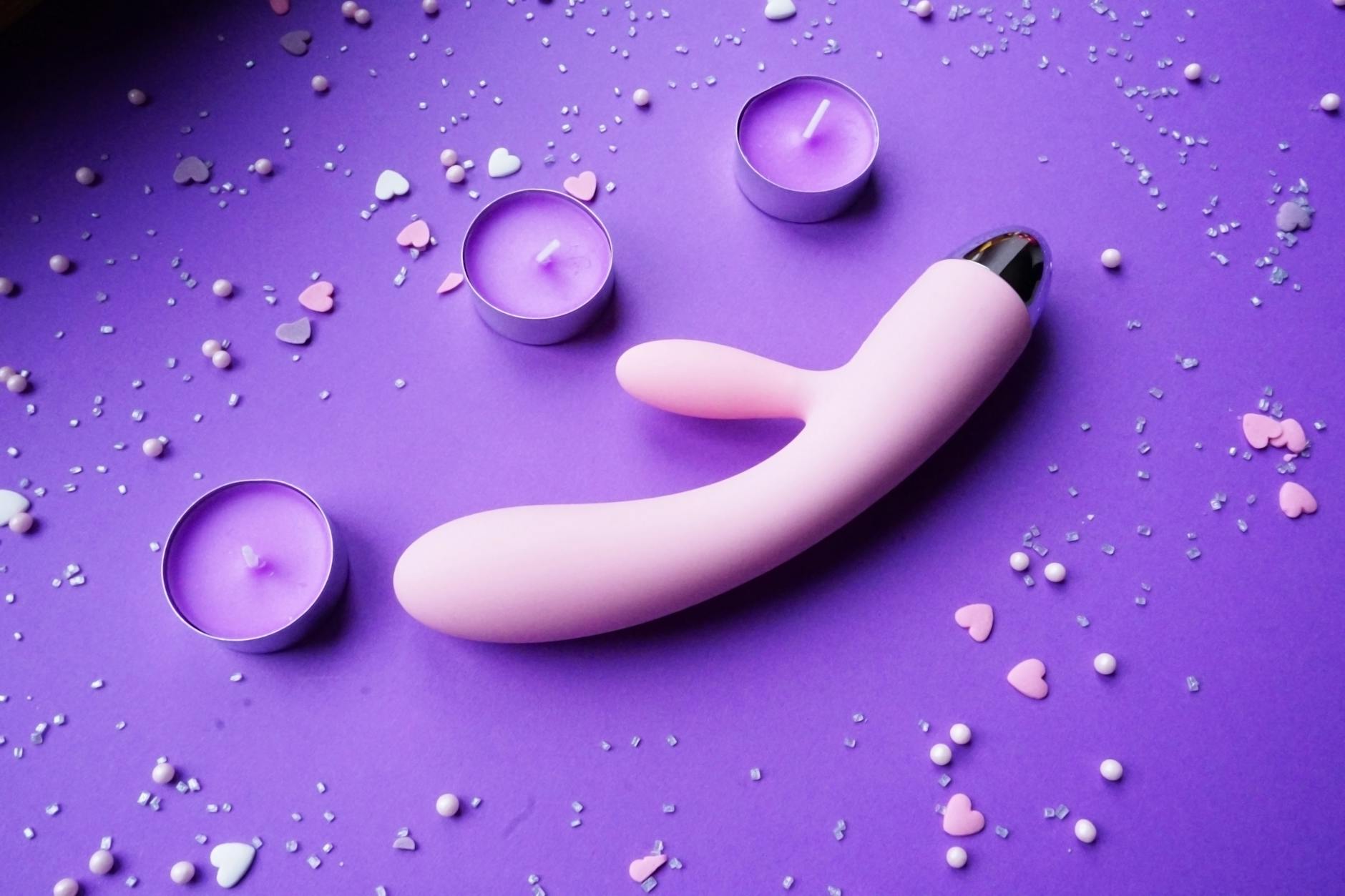
Let's name what's actually happening
Mismatched libido in your 30s feels like a betrayal, but it's not. It's a mismatch. One of you wants sex three times a week. The other wants it once a month. Neither is wrong. Neither is broken. The gap between your desires is real, and trying to ignore it doesn't shrink it.
Here's what I see in my therapy practice: couples in their 30s often assume desire mismatch means incompatibility. They're usually wrong. What they're actually dealing with is a scheduling problem dressed up as a relationship problem.
Why desire mismatch hits different in your 30s
Your 30s are uniquely brutal for libido alignment. You're building careers, managing stress levels that would have seemed insane at 25, possibly dealing with hormonal shifts (especially if you're on birth control or managing hormonal conditions), and you've been in the relationship long enough that NRE (new relationship energy) is completely gone.
The person with lower desire isn't being withholding. They're often genuinely tired, anxious, or touched out. The person with higher desire isn't being unreasonable. They're craving physical connection and interpreting the gap as rejection.
Both stories are true. That's the problem.
What lemon clitoral vibrators actually solve is this: they let you stop trying to sync your bodies and start honoring your bodies' actual schedules. Your lower-desire partner doesn't have to get their arousal up to match yours. Your higher-desire partner doesn't have to wait around hoping it happens.
How suction-based stimulation changes the dynamic
Here's the practical part. Lemon vibrators (specifically air-suction toys like the Lem) work on a completely different principle than traditional vibrators. Suction builds arousal faster and with less effort. That matters when one partner is dragging their feet.
If you're the higher-desire partner, this is huge. You can use a lemon clitoral vibrator solo or with your partner present and engaged. You're not asking them to perform sex they don't want. You're taking your pleasure into your own hands while they participate in a way that actually works for their body and their schedule.
If you're the lower-desire partner, suction toys can actually help you want sex more. This sounds counterintuitive until you understand the physiology. Lemon vibrators create a different sensation than traditional vibration. They don't require the same kind of mental engagement. Some people find it genuinely easier to slide into arousal with suction than with traditional vibration. That's not weakness. That's just how your nervous system is wired.
The boundary conversation you actually need to have
Before you bring a lemon vibrator into the picture, you need to talk about what you're actually trying to solve. Most couples mess this up by framing it wrong.
Wrong frame: "We need to have more sex."
Right frame: "We both deserve pleasure on a schedule that works for us. How do we make that happen?"
That second frame changes everything. Because suddenly it's not about convincing someone to want sex. It's about designing a system where both people's actual desires get met.
If one of you wants sex three times a week and the other wants it once a month, maybe you land on this: once a month you have partnered sex that takes time and care. Once a week, the higher-desire partner uses a lemon vibrator solo or with their partner in the room but not performing. The rest of the time is just life.
That's not a compromise that makes anyone resentful. That's a design that works.
How to actually introduce this without it feeling weird
The fear is always that bringing in a toy will make your partner feel replaced or inadequate. That fear is valid and also solvable.
Show don't tell. If you're the higher-desire partner, use a lemon vibrator solo in a matter-of-fact way. Not in secret. Not apologetically. Just "I'm going to use this because I want pleasure and I'm not asking you to provide it right now." Frame it as self-care, because it is.
Your partner's brain will do a lot of work in that moment. They might feel relief that you're not waiting for them. They might feel curious. They might want to watch or participate. Or they might go about their evening. All of those are fine.
The key is: you're not asking permission. You're not making it contingent on their approval. You're modeling that pleasure is something you attend to directly, not something you wait around hoping someone else will give you.
When to use them together
Okay, so you've established that using a lemon vibrator solo is normal and not a threat. Now what?
There are a few ways partners with mismatched libido use air-suction toys together:
The parallel play model. One of you uses a lemon clitoral vibrator while the other is present. Maybe they're touching you. Maybe they're just there. Maybe they're on their phone. The point is: you're both getting what you need simultaneously without either of you having to perform.
The foreplay acceleration model. Your lower-desire partner is willing but slow to warm up. A lemon vibrator gets them there in ten minutes instead of thirty. That's not rushing. That's efficiency. And once they're actually aroused, sex might happen. Or it might not. Either way, you've honored both timelines.
The take-the-pressure-off model. The higher-desire partner uses a lemon vibrator during sex itself. This completely changes the power dynamic. The lower-desire partner doesn't have to perform as intensely. Both of you are getting direct stimulation. It's less about one person trying to get the other off and more about two people pursuing their own pleasure in the same space.
The conversation after
Using lemon vibrators when your libidos don't match isn't the end of the story. It's the beginning of a more honest one.
After you've tried it a few times, check in. Not in a "Did you like it?" way. In a "Does this actually work better for us?" way. Sometimes it does. Sometimes it surfaces other stuff. Maybe your lower-desire partner realizes they're not actually lower desire. They're just touch-averse or overstimulated by daily life. Maybe your higher-desire partner realizes they don't actually want more partnered sex. They just want to feel wanted.
Lemon clitoral vibrators aren't a fix for mismatched libido. They're a tool that lets you stop trying to fix the mismatch and start working with it.
FAQ
Will using a lemon vibrator make my partner think I don't want them anymore?
Not if you frame it correctly. A lemon vibrator is about meeting your own needs on your timeline, not about your partner's adequacy. The healthiest couples I work with understand this distinction. It's actually the opposite of rejection. It's you saying "I deserve pleasure, and I'm not going to wait around resentful if you're not available right now." That's not cold. That's self-respect.
What if my partner wants to use a lemon vibrator on me but we have different desires about when that happens?
This is common and worth naming directly. You can say: "I want you to use this on me when you're genuinely interested, not to meet my needs or fix the mismatch." If they're only interested during the times your libidos don't align, that's useful information. You can decide together whether that works or whether you need a different rhythm.
Can a lemon vibrator actually help a lower-desire partner want sex more?
Sometimes. Suction-based stimulation genuinely does build arousal faster for some people. But more importantly, using a lemon clitoral vibrator removes the pressure from the lower-desire partner to perform. When pressure is off, desire often naturally increases. That's not magic. That's just nervous system relaxation.
How do we talk about libido mismatch without it becoming an argument about who's wrong?
Don't frame it as wrong. Frame it as different. "Your libido and my libido are just different right now, and that's information we can work with." Then actually work with it instead of trying to change it. Lemon vibrators are one tool for that working-with.
Is it okay to use a lemon vibrator alone while my partner is in the apartment?
Yes. Absolutely yes. In fact, I'd argue it's healthier than doing it in secret. You're modeling that pleasure is normal, self-directed, and not contingent on your partner's availability. That's the opposite of a threat. That's integrity.
What if we try this and the mismatch feels even bigger?
That's actually useful information. Sometimes the mismatch isn't about sex. It's about stress, resentment, or disconnection in other areas. If using a lemon vibrator makes that gap feel more obvious, that might be the moment to get couples therapy involved. A good therapist can help you figure out whether this is about desire or about something else that's affecting desire.
The real issue was never desire
After twenty years of working with couples, I can tell you this: most mismatched libido isn't actually about sexual desire. It's about feeling safe, feeling valued, and feeling like pleasure matters equally to both partners.
Lemon clitoral vibrators work in this context because they're a physical way of saying "your pleasure is important and so is mine, and we don't have to sacrifice either one to honor the other."
That's the conversation. Everything else is just logistics.
If you want to explore this further in your relationship, reach out. Sometimes talking to a professional who specializes in exactly this dynamic is what tips the scales from frustration to actual connection. You deserve that.
Your partner does too.