Let's talk about postpartum sex pain nobody warns you about
You've heard about the six-week clearance. What you haven't heard, in any useful detail, is what happens after your OB-GYN says you're "cleared" but sex still hurts. This gap between medical clearance and actual comfort is where most people get stuck. Postpartum pain during sex isn't a sign you're broken. It's inflammation, scar tissue healing, hormonal shifts, and tight pelvic floor muscles all speaking at once.
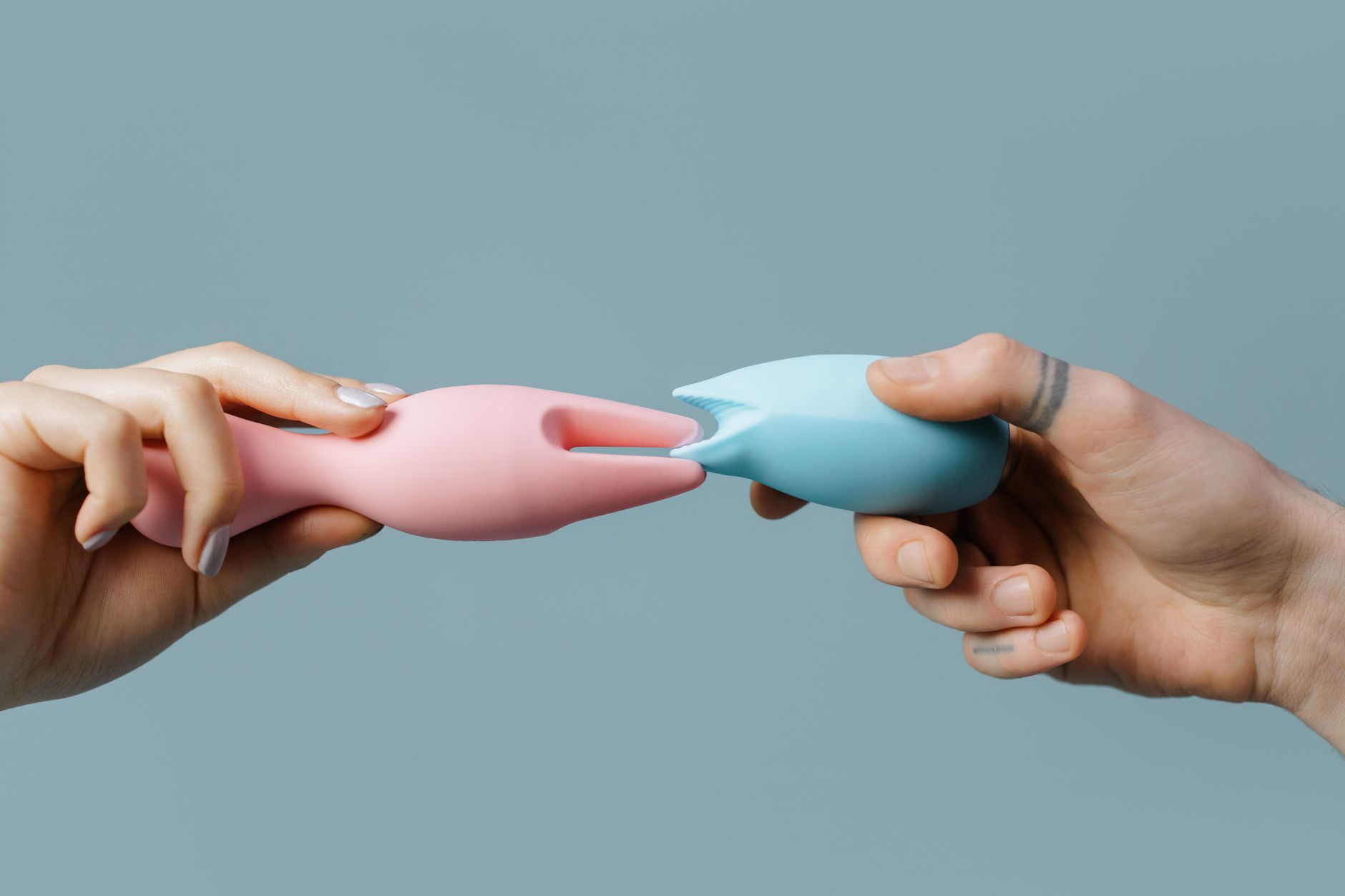
Here's the thing: lemon vibrators, particularly clitoral models like the Lem, aren't meant to rush recovery. They're meant to help you explore sensation safely while your body is still healing. This distinction matters because it changes how you use them and what you expect.
Why sex hurts after birth in the first place
If you had vaginal tearing (common even with small tears), your tissues are rebuilding. The collagen remodeling process takes 12-18 months minimum, even though you're "cleared" at six weeks. The scar tissue that forms is less elastic than original tissue, which means penetration can feel tight or produce burning sensations.
Your pelvic floor muscles also tighten defensively. After the massive stretching of birth, these muscles often stay contracted, creating a protective tension that paradoxically makes pain worse. Add reduced estrogen from breastfeeding (which thins vaginal tissue further), and you have a recipe for discomfort.
Then there's the psychological layer. Your body has gone through trauma, even if it's a natural kind. Your brain is hypervigilant about pain signals, which can amplify physical sensations and create anticipatory tension before anything even starts.
The role clitoral stimulation plays in recovery
Here's where lemon clitoral vibrators enter the picture. The clitoris is external and separate from the vagina. If vaginal penetration or friction causes pain, focused clitoral stimulation through tools like the Lem bypasses the healing tissue entirely.
Clitoral stimulation also triggers a cascade of effects: increased blood flow to the area, which supports healing; natural lubrication; and neurological signals that tell your pelvic floor to relax rather than tighten. When you experience pleasure without pain, your nervous system learns that touch is safe again. This rewiring is crucial.
Unlike traditional vibrators that work through rapid buzzing, lemon suction-based models use gentle pulsing that feels less intense on sensitive postpartum tissue. Many people find that the controlled, non-abrasive sensation of suction feels easier to tolerate than harsh vibration when their body is still tender.
Timeline: what to expect and when
Weeks 1-6 (or 8-12 with larger tears): Your job is rest, not pleasure. This isn't the time for any sexual tool, including lemon vibrators. Pelvic floor physical therapy is standard, even though most OB-GYNs don't prescribe it. Start there if you can access it.
Weeks 12-16: Clitoral exploration alone might be possible now, depending on your healing. If you're cleared and interested, solo play with a lemon clitoral vibrator at its lowest setting can help you understand what feels good without pressure from a partner.
Months 4-6: If there's no persistent burning or heaviness, gentle partnered touch on the vulva becomes possible. Your partner can use fingers while you use the Lem for dual stimulation, which can feel safer than penetration.
Months 6-12: This is where many people return to penetrative sex. But pain doesn't always vanish at month six. If it persists, it's not a failure. Vaginal dilators, topical estrogen cream, or additional pelvic floor therapy might be needed.
How to actually use lemon vibrators during postpartum recovery
Start solo. You need to understand your own healing trajectory without performance pressure or a partner's expectations. Use the Lem on setting 1 or 2 (if it has multiple settings) for short sessions, 5-10 minutes maximum. Longer sessions can increase inflammation.
Use it when you're genuinely aroused, not "trying" to be. Arousal brings blood flow and lubrication, which reduces friction and discomfort. If you're not naturally lubricated, water-based lube is essential. This isn't about being broken. Your hormones are still recovering, especially if breastfeeding.
Pay attention to what the Lem's suction does differently than what you expected. Many postpartum people find that the gentle pulsing feels soothing rather than intense, which makes it easier to stay present instead of bracing for pain.
If clitoral sensation produces sharp pain (not just sensation, but actual pain), stop immediately. This might indicate that a nerve is still inflamed or that your pelvic floor tension needs more work before this type of stimulation helps.
Pelvic floor recovery is the silent partner in this whole process
You can't use lemon vibrators effectively if your pelvic floor muscles are clenching. This is why pelvic floor physical therapy matters. A specialist can identify whether your muscles are actually weak (rarer than people think) or just tight, and guide you through release work.
Kegel exercises are only part of the story. You also need to learn how to relax your pelvic floor on purpose. Breathing exercises, gentle stretching, and conscious relaxation during clitoral stimulation all help. When you're using the Lem, take slow breaths and imagine your pelvic floor softening with each exhale.
If penetrative sex returns and still hurts, a pelvic floor therapist can often identify tightness or scar tissue adhesions that respond to trigger point release or myofascial techniques. This is treatable, but it requires professional hands.
Talking to your partner about this (the conversation people avoid)
Many postpartum people feel pressure to return to "normal" sex on the medical timeline, which is almost never realistic. Your partner might interpret pain or hesitation as rejection. It's not. It's biology.
The conversation isn't "I'm broken" or "We need to wait forever." It's "My body is still healing, and here's what we can do together right now." Using a lemon clitoral vibrator as part of foreplay, with your partner present and engaged, reframes recovery as something you're doing together rather than something you're stuck in.
Some couples find that this period opens up conversations about pleasure that didn't happen before. If penetration was always the endpoint, exploring external stimulation might reveal that you actually prefer it. That's valuable information.
When to loop in a healthcare provider
If pain persists beyond 12 months, gets worse, or feels burning or stabbing (not just pressure or tightness), that's a sign of either scar tissue that needs release or a pelvic floor pattern that requires specialist intervention. Genitourinary syndrome (low estrogen causing tissue changes) is also common in postpartum people, especially those breastfeeding.
A pelvic floor physical therapist can provide tools that make lemon vibrators more comfortable. An OB-GYN can identify whether topical estrogen cream would help. Together, these interventions create conditions where pleasure feels possible again.
Postpartum pain during sex is not a permanent condition. It's also not something you should white-knuckle through in silence. Your pleasure matters, and your body's healing timeline matters more than anyone's expectations.
People also ask
How long after childbirth can you safely use a lemon vibrator?
Most OB-GYNs clear sexual activity at six weeks for uncomplicated births, but that doesn't mean your body is healed. If you had tearing or a sensitive recovery, waiting until 12-16 weeks before introducing any sexual tools is safer. Start with clitoral-only stimulation, which bypasses healing vaginal tissue. If you experienced a c-section, pelvic floor healing follows a different timeline. Ask your provider before introducing any vibrators, including lemon clitoral models.
Can lemon vibrators help if I have scar tissue from tearing?
Scar tissue doesn't directly benefit from vibrator use, but the improved blood flow and pelvic floor relaxation that comes from pleasure can support healing. More directly, a pelvic floor physical therapist can release scar tissue adhesions with hands-on techniques. The Lem and similar tools then become useful for rebuilding pleasure around that tissue once it's been treated. Don't expect the vibrator itself to heal scar tissue, but do expect it to help you stay connected to sensation while you're working with a specialist.
Is it normal for postpartum sex to hurt even after six weeks?
Absolutely. The six-week timeline is medical clearance, not biological readiness. Tissue remodeling continues for 12-18 months after birth. Pelvic floor tightness, reduced estrogen, and psychological protection patterns can all extend the painful period well past six weeks. You're not abnormal, and you're not alone. This is why pelvic floor therapy, patience, and pleasure-focused tools like lemon vibrators exist.
Should my partner be involved when I start using a lemon vibrator postpartum?
That's entirely your choice, and it can change over time. Many people find that initial exploration solo is helpful because there's no pressure and no one's pleasure but yours matters. Once you know what feels good without pain, bringing a partner in can deepen the experience. Some people never involve penetration again and find that external stimulation, perhaps using the Lem together, is actually more satisfying. The postpartum period is a moment to question what you assumed about pleasure, not to restore it identically to before.
What if clitoral stimulation still causes pain?
That's a sign to pause and check in with a specialist. Sometimes postpartum pain extends to the entire vulva because of overall inflammation or pelvic floor tension, or occasionally because of a condition like pudendal neuralgia. A pelvic floor physical therapist or a gynecologist trained in postpartum recovery can identify what's happening. Pain is information, not a character flaw. Respond to it with curiosity and professional support, not pushing through.
Can I use lemon vibrators if I'm breastfeeding?
Breastfeeding doesn't contraindicate pleasure or vibrator use. What it does affect is estrogen levels, which can thin vaginal tissue and reduce natural lubrication. This means you might need extra water-based lube and might be more sensitive overall. The Lem's gentle suction approach often feels better to breastfeeding people than intense vibration because it's less jarring on already-tender tissue. Your pleasure supports your mental health and relationship, both of which matter to your overall recovery.
What happens next
Postpartum recovery is not linear, and pleasure isn't frivolous. Your body carried and birthed a human. It deserves time to heal, professional support when pain signals something needs attention, and the space to rediscover sensation and pleasure on its own timeline. Lemon vibrators fit into that recovery as a tool, not a shortcut. They work best alongside pelvic floor therapy, open conversations with your partner, and honest communication with your healthcare provider about what's actually happening, not what the calendar says should be happening.
If you have questions about your specific recovery or whether the Lem or another lemon clitoral vibrator is right for your situation, reach out. You don't have to figure this out alone.