Coming out of a long relationship means relearning your own body
After years with a partner, your pleasure became conditional. You timed it around their schedule, their preferences, their rhythm. Your arousal wasn't just about sensation. It was about reading a room, managing expectations, sometimes faking it to keep the peace. Now you're alone, and that's terrifying and freeing at the same time.
Here's what I hear from clients rebuilding solo pleasure after long relationships: "I don't know what I like anymore." They're not being dramatic. After years of partnered sex, the neural pathways for solo sensation genuinely get quieter. Your clitoris didn't forget how to feel pleasure. Your nervous system just learned to prioritize someone else's experience first.
The science of reclaiming your pleasure
When you've spent years in coupled sex, your brain gets trained to expect external stimulation. The anticipation of what someone else will do replaces the subtler experience of what you're doing to yourself. Your pelvic floor tenses differently. Your breathing pattern changes. Even your clitoral blood flow adjusts to the rhythm of someone else's touch.
Breaking that pattern takes intentional practice. You're not fixing something broken. You're retraining your nervous system to feel its own sensations as valid and worthy of attention.
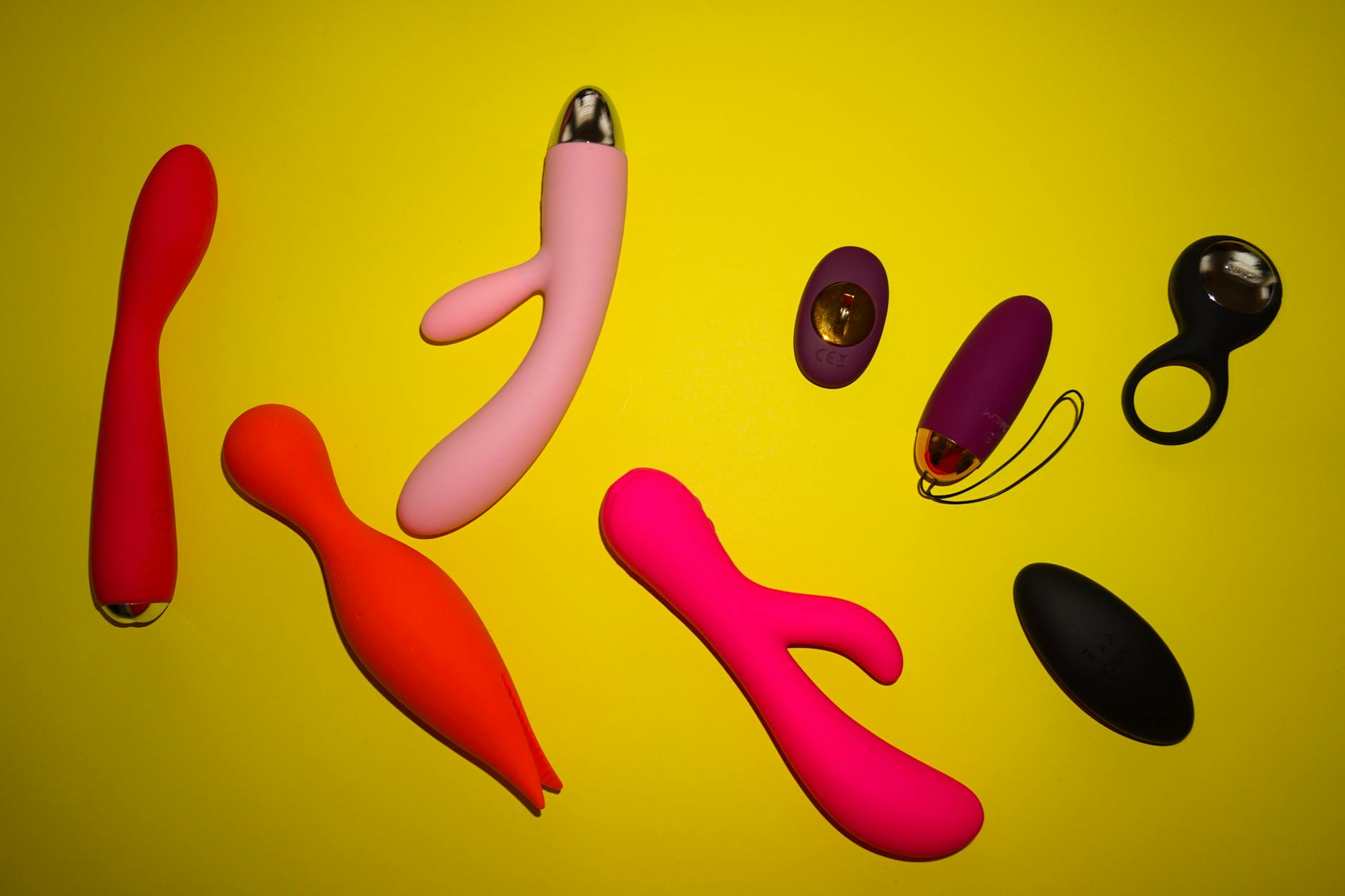
Lemon clitoral vibrators help because they short-circuit the waiting. Instead of building arousal through anticipation of external touch, they create immediate sensation. This teaches your body that your own pleasure doesn't need permission or a partner's involvement to matter. It's a practical neural reset.
Why solo pleasure feels awkward at first (and why that's normal)
You might feel selfish. You might feel like you're doing it wrong. You might feel bored, or numb, or guilty for wanting it at all. These are the emotional ghosts of a long relationship still rattling around in your nervous system.
Most of my clients report one of three blocks when they start exploring alone:
1. Cognitive distraction. Your brain is too busy narrating the experience to actually feel it. You're watching yourself, judging the sounds you're making, wondering if this is normal. The solution is brutal honesty: your thoughts are just thoughts. Your body's sensations are real. Pick one and focus on it. Start with something physical. Notice the temperature of the lube. Notice where your hips are pressed against the bed. Your brain will quiet down once your body has permission to lead.
2. The guilt layer. You grew up being told solo pleasure was shameful, or you internalized your ex-partner's discomfort with it, or you're worried about what it means about your relationship. Here's the clinical truth: solo pleasure and partnered pleasure are not competing experiences. One doesn't diminish the other. In fact, people who know their own bodies deeply tend to have better partnered sex when they want it. You're not being unfaithful to anyone. You're being faithful to yourself.
3. Sensation numbness. After years of partnered sex, solo touch can feel boring or insufficient. Your nervous system got trained on intensity and novelty. Rebuilding sensitivity takes patience. This is where lemon sexual toys matter. A device like the Lem provides consistent, measured stimulation that helps you notice finer gradations of sensation again. It's like turning up the volume just enough so you can hear the music underneath.
Building a solo practice with lemon vibrators
Start with zero expectations. Seriously. You don't have to orgasm. You don't have to feel aroused. You're just training your body to be present for its own sensations.
Week one: sensation mapping. Use a lemon clitoral vibrator on the lowest setting for five minutes. Don't aim for anything. Just notice where you feel it. Does it feel sharper on some parts of your clitoris than others. Can you move it around and feel different intensities. Does your breathing change. This isn't about performance. It's about data.
Week two: adding intention. Now that your body knows what to expect, sit with what you actually want in this moment. Are you exploring out of curiosity. Out of loneliness. Out of genuine desire. There's no wrong answer. Just be honest with yourself. Some days you'll be turned on. Some days you'll be processing the breakup. Both are valid.
Week three: pattern building. Once you've explored the settings and sensations, start noticing what patterns your body gravitates toward. Do you prefer steady pressure or does your clitoris like the stimulation to move. Do you prefer the suction-style sensation of a device like the Lem or traditional vibration. Do you like it faster or slower as you build arousal. This is you rediscovering your own pleasure map. Write it down if it helps. Your pleasure is worth documenting.
Week four and beyond: integration. Once you know what your body likes, you can start combining sensations. Try it with music that moves you. Try it in different times of day. Try it when you're well-rested versus tired. You're building a relationship with your own pleasure that's grounded in what actually feels good, not what you think should feel good.
Why lemon vibrators specifically help with this transition
Lemon clitoral vibrators offer something specific to solo reclamation. Unlike traditional vibrators that create a buzzing sensation all over, the Lem and similar lemon sucker toys use air-pulse technology. This means the sensation is more focused, more controllable, and more closely replicates the intensity variation that makes solo pleasure compelling after years of partnered routine.
The design also matters. It's small enough to direct precisely but substantial enough that your hand knows it's doing work. You're not holding something passive. You're actively engaged. That engagement is the whole point. You're not being stimulated to. You're stimulating yourself deliberately.
The emotional work underneath
Rediscovering solo pleasure after a long relationship is not just physical. There's grief underneath. You might miss being desired by someone else even if that person wasn't right for you. You might feel lonely in your own skin. You might feel like you're supposed to be over it by now and move into joy immediately. That's not how bodies work.
Give yourself permission to feel all of it. The pleasure, the sadness, the confusion, the relief. Your nervous system is learning to be intimate with you again. That takes time and patience and self-compassion.
Some days you'll use a lemon vibrator and feel alive. Some days you'll try and just feel empty. Both are part of the process. The goal is not constant pleasure. The goal is rebuilding a relationship with your own body that's based on what you want, not what someone else wanted from you.
Building confidence for future connection
Here's what happens when you rebuild solo pleasure intentionally. After a few weeks or months, you start to remember who you are apart from "person in a relationship." Your body stops apologizing for wanting sensation. Your nervous system learns that pleasure is available to you on your terms.
That changes everything about future partnered experiences. If you do decide to be with someone else down the line, you'll know exactly what you want. You won't be guessing or performing or defaulting to what worked before. You'll be bringing a partner the version of you that knows their own body deeply. That's the most powerful thing you can bring to any intimate experience.
FAQ: Rebuilding Solo Pleasure With Lemon Vibrators
How long does it take to feel comfortable with solo pleasure after a long relationship?
There's no standard timeline. I've had clients feel comfortable within weeks. Others take months. What matters is consistency, not speed. If you practice once a week, your nervous system gets the message that this is safe and worth learning. If you practice once a month, it's harder to build new neural pathways. Aim for at least twice weekly if you can, even if it's just five minutes of exploration.
Is it normal to feel nothing the first few times I use a lemon vibrator?
Completely normal. Your nervous system might be numb from grief, stress, or years of automatic partnered sex. Numbness isn't a sign something's wrong. It's a sign your body is protecting itself while it readjusts. Keep going. The sensation will return. Some clients find that adding warmth helps. Warm bath before, warm hands on your body. Heat opens your nervous system in ways cold touch doesn't.
Should I feel guilty about exploring solo pleasure after my relationship ended?
No. And I say that not as a cheerleader but as someone trained to recognize when guilt is useful versus when it's just internalized shame. Guilt is useful if it's telling you something about your values. Is it actually violating your values to explore your own body. Probably not. If you're feeling guilty, you're likely carrying someone else's judgment. That's not your job to carry anymore. Your job is to rebuild intimacy with yourself.
Can I use a lemon clitoral vibrator if my clitoris feels really sensitive right now?
Yes, but start low. The Lem and similar lemon sexual toys have multiple intensity settings for exactly this reason. Begin on the lowest setting. You might find that even gentle suction feels overwhelming at first. That's your body telling you it needs time to recalibrate. Lower intensity, shorter sessions, more patience. Your sensitivity will normalize as you practice.
What if I still feel connected to my ex while exploring solo pleasure?
That's incredibly common. You spent years being intimate with this person. Your body holds that memory. You might fantasize about them or feel their absence more acutely when you're being intimate with yourself. That doesn't mean you're not over them or that you're making a mistake. It means your nervous system is learning to distinguish between missing someone and wanting them back. Those are different. Keep exploring. The fantasies will shift as your body adapts to being its own primary partner.
Is it better to use a vibrator or my hands when I'm rebuilding pleasure?
Neither is better. They do different things. Hands give you more control and feedback. You feel your own touch, which is grounding for rebuilding connection with your body. Vibrators like the Lem provide consistent, measurable sensation that doesn't fatigue. Most clients benefit from both. Start with hands to rebuild basic sensation awareness. Add a vibrator once you know what your body wants. You're not replacing one with the other. You're building a toolkit.
The part no one tells you
Solo pleasure after a long relationship is one of the most vulnerable things you can do. You're admitting you want pleasure. You're admitting your body matters. You're admitting you're willing to take time to discover what that means for you alone, without someone else's timeline or preferences shaping it.
That's not selfish. That's the opposite of selfish. It's you saying: I am worth my own attention. I am worth knowing. My body deserves to feel good not for anyone else, but for me.
Start small. Be patient. Use a lemon vibrator if it helps. And remember that rebuilding pleasure after a long relationship is not about erasing what came before. It's about integrating it and moving forward as someone who knows themselves more completely. Your body will thank you for that investment.