Let's name what's happening here
You want to want pleasure. Your partner wants you to want pleasure. You intellectually know pleasure is available to you. But your body feels like it's behind glass. Sensation arrives muted, delayed, or not at all. That's not low libido. That's dissociation, and it's wildly more common than anyone admits.
Dissociation isn't always the dramatic kind from trauma. Chronic stress, long-term anxiety, grief, or even the numbing repetition of caretaking can do it. Your nervous system decides the world is too much, and it protects you by turning down the volume on everything. Your body becomes a thing you're observing instead of inhabiting.
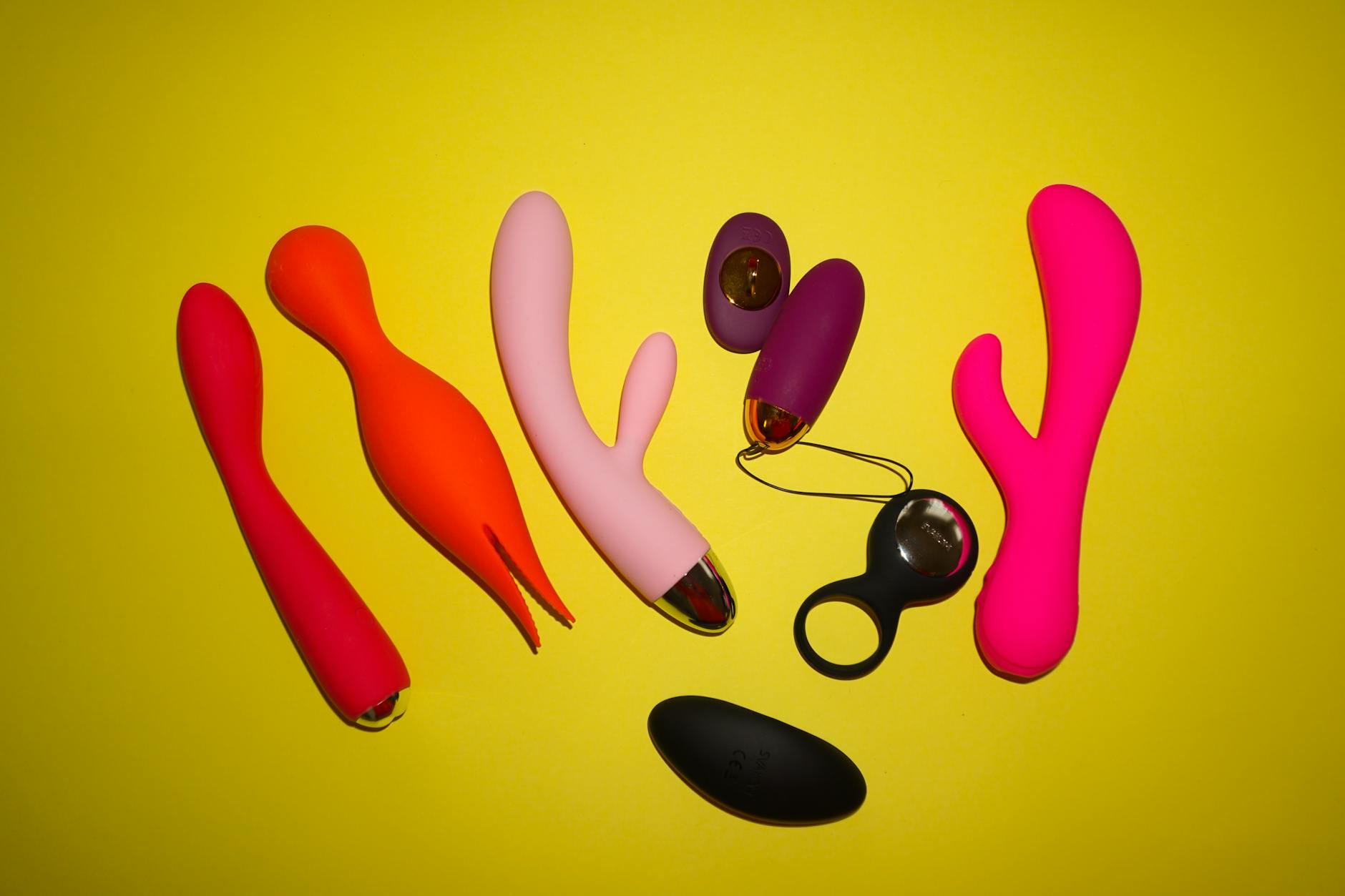
Here's the part therapists don't always say clearly: pleasure is not a reward you earn. It's a signal your nervous system sends when it feels safe. If your nervous system is in protect mode, all the desire in your brain won't create sensation in your body. Lemon vibrators work differently than you'd think in this situation. They're not here to turn you on. They're here to teach your body it's safe to feel again.
Why standard vibrators often fail when you're dissociated
Most vibrators work by stimulating nerve endings through repetitive buzzing. If your nervous system is already checked out, that buzzing is just another stimulus to zone out from. You might feel it physically, but emotionally you're still behind the glass.
Lemon clitoral vibrators use suction instead of vibration. The mechanism matters here. Suction creates a slowly building sensation that requires a different kind of attention. It's less "numbing static" and more "something is actually happening to my body." That distinction changes everything when reconnection is the goal.
The suction also activates nerve pathways that pure vibration misses. You're not just feeling buzz. You're feeling a rhythmic squeeze, release, intensity shift. Your nervous system has to actually track what's occurring. It can't autopilot through it.
The nervous system reset protocol
Before you use a Lemon vibrator, you're doing foundational work. This takes weeks, not nights.
Weeks 1-2: Grounding without goals. Spend 10-15 minutes daily noticing sensation in your body with zero performance expectation. Hands on your arms, neck, inner thighs. Not sexual. Not working toward anything. Just noticing: Is this warm or cool? Tingly or numb? Relaxed or tight? This is the "waking up" phase. Your nervous system is learning it's safe to feel.
Weeks 3-4: Intentional touch. Now add intention to the same grounding. Same body parts, same 10-15 minutes, but you're actively thinking "I'm touching this part of my body, and I can feel it." Your prefrontal cortex is coaching your nervous system back online. This feels boring. Good. Boring is safety.
Week 5 onward: Introducing sensation. Your body has now experienced multiple weeks of feeling things without threat or pressure. Now introduce the Lemon vibrator, but with the same non-goal orientation. Start at the lowest suction setting. You're not working toward orgasm. You're working toward: "I can feel this, my body is still mine, and nothing bad happens."
How to actually use a lemon clitoral vibrator for reconnection
Honestly though, the mechanics matter less than the mindset here.
Set the scene for safety. That doesn't mean candles (though fine). It means: phone silenced, door locked, time boundary announced (to yourself or a partner). Your nervous system needs to know nothing will interrupt. Interruption = trauma. We're not recreating that.
Start external, not direct. If you've been dissociated, direct clitoral contact might feel invasive before it feels good. Place the Lemon vibrator on your inner thigh, lower belly, or outer labia first. Let your body remember sensation has a slow warmup.
Use patterns, not intensity. When you're ready to move closer, use one of the lower suction patterns and stay there for 3-5 minutes. Resist the urge to chase intensity or "make it work." Your goal is presence, not outcome. "I notice the sensation changing. I'm here. My body is responding." That's the win.
Name what you're feeling internally. This sounds weird but it rewires dissociation. Not out loud if you're with a partner and that feels weird. But internally: "That's pressure." "That's a pulse." "That's building warmth." You're narrating your body back to yourself.
Stop before overwhelm. This is counterintuitive in a pleasure context, but if you're reconnecting, stopping while sensation still feels manageable teaches your body that feeling is sustainable. Pushing to orgasm can flip you back into numbing. Build tolerance slowly.
When a partner is in the picture
This is tricky because your partner might think they caused the disconnection, or they might feel rejected by your dissociation. They didn't and shouldn't.
Tell them: "My nervous system is in protect mode. That's not about you or attraction. I'm rebuilding my ability to feel my own body first. This process takes time." Use the word "rebuild." It reframes this from "something's wrong with our sex" to "we're healing something together."
If your partner wants to be present during early Lemon vibrator sessions, that's fine. But they should not touch you, speak, or maintain eye contact unless you ask. Their presence is permission. That's all. If they try to narrate, guide, or check in, your nervous system goes back on alert.
Once you're further along (usually 6-8 weeks in), partner touch becomes possible again. But that's step three. Step one is you and your body. Step two is you, your body, and a tool. Step three is partnership again.
When dissociation is trauma-rooted
If your dissociation comes from past or ongoing trauma, a Lemon vibrator is helpful scaffolding, not replacement therapy. Work with a trauma-informed therapist simultaneously. EMDR, somatic experiencing, or internal family systems all rewire nervous system dysregulation in ways vibrators can't.
What vibrators offer is a repeatable, controllable way to practice "my body is safe to feel." Therapy offers the understanding of why your body went into protection mode. You need both.
The timeline is not linear
Some days you'll feel your body like normal. Other days you'll slip back into numbness. That's not failure. That's how nervous systems work. Stress spikes, dissociation returns. You're not starting over. You're practicing resilience.
Expect 8-12 weeks before reconnection feels stable. Expect setbacks. Expect days where a Lemon vibrator feels like the most obvious thing in the world and days where it feels like touching a stranger's arm.
The consistency is what rewires. Not the intensity. Not the outcome. The fact that you keep showing up and telling your body: "You're allowed to feel. I'm listening. We're safe."
People also ask
Can you use a Lemon vibrator if you're numb from medication?
Yes, and it's similar territory. Numbness from SSRIs or other medications is a nervous system response, not a character flaw. The same principles apply: start external, use patterns not intensity, and build slowly. If numbness is severe, talk to your prescriber about timing (some people find sensation improves at different times of day or dosing cycle). The Lemon vibrator isn't fighting your medication. It's teaching your nervous system to find sensation despite it.
How long before you feel pleasure again, not just sensation?
Sensation usually returns within 2-3 weeks. Pleasure (the emotional enjoyment of sensation) takes longer. 6-8 weeks is realistic. Desire follows pleasure, not the other way around. So you're looking at 8-12 weeks before your libido feels restored. That sounds long because it is. Dissociation developed over months or years. Reconnection takes weeks to months. That's actually quite fast.
Is it normal if using a lemon clitoral vibrator feels overwhelming at first?
Completely. If you've been numb, sensation can feel like too much even when it's safe. That's not a sign to stop. That's a sign your nervous system is waking up. Scale back intensity or session length. Two minutes instead of five. External placement instead of direct. You're titrating sensation the same way you'd titrate a medication. Small doses, frequent practice.
What if you don't have an orgasm using the vibrator?
Then you're not failing. You're learning. If dissociation is your barrier, chasing orgasm during reconnection actually reinforces the pressure that created numbness in the first place. Your job is presence. Orgasm arrives later, when your nervous system trusts it's safe.
Can a partner help rebuild sensation, or does it have to be solo?
Partner touch can help, but later. Weeks 1-6 should be solo practice. Your nervous system needs to learn it can feel without external pressure or performance expectation. Once your body trusts sensation again, partner touch becomes valuable. But trying partner-led reconnection too early often recreates the original dynamic that caused dissociation. Slow is smart here.
What should you do if dissociation returns?
That's not regression. That's your nervous system signaling stress. Return to the grounding protocol for 1-2 weeks. Notice sensation without the vibrator. Your body isn't broken again. It's reminding you it needs attention. Listen.
The real work
Lemon vibrators are a tool for this process, not the process itself. The real work is convincing your nervous system that feeling is survivable. That sensation doesn't mean danger. That your body is yours to inhabit again.
It's also slow work. There's no hack, no intensity setting that shortcuts nervous system rewiring. There's only consistency, patience, and the willingness to practice being in your body when your body spent months or years convincing you to leave.
If you're stuck here, consider connecting with a therapist who specializes in somatic work. The combination of professional support and your own embodiment practice accelerates this considerably. You don't have to rebuild this alone, and you don't have to do it at a speed that feels unsafe.
Your pleasure matters. Your body matters. And reconnection is possible, even when it feels impossibly far away right now.