
How to Use Lemon Vibrators With Your Partner: A Couples Guide to Shared Pleasure
Let's be real. Introducing a lemon clitoral vibrator into partnered sex can feel loaded with things unsaid. Does it mean something's wrong? Will your partner feel replaced? What if the conversation gets awkward?
None of those fears are weird, and I'm going to address every single one. Because here's the thing. When a couple brings a lemon vibrator into their intimate life together, it's almost never about one person being "not enough." It's about expanding what's possible. It's collaborative. And it often deepens connection in ways people don't expect.
I've worked with hundreds of couples navigating this exact transition. The ones who do it well share something specific: clear conversation before the toy arrives, genuine curiosity about how it feels to use it together, and permission to adjust or stop if something isn't working. That's it. No shame, no scripts, no performance.
The conversation you need to have first
Timing matters. Don't bring this up during sex or right after. Pick a moment when you're both rested, maybe over coffee or on a walk. Say something like: "I've been thinking about trying a clitoral vibrator together. I'm curious what you think."
Then listen. Not to respond, but to actually hear what comes up. Your partner might feel excited, hesitant, confused, or worried they've been doing something wrong. All of that is real information.
Common things I hear from the partner not bringing it up: "Will you still want me inside?" (yes). "Does this mean I'm bad at sex?" (no). "I'm worried I'll feel replaced." (understandable, and worth addressing directly).
The clearest response I've found: "I love how you feel. This is about exploring something new together. It's an addition, not a replacement. And I want you here while we figure it out."
If your partner needs time or says no, that's information too. You can circle back in a month. Forcing this creates resentment. Patience creates trust.
Why lemon vibrators work differently in partnered sex
When you're alone, you control everything. Intensity, rhythm, duration, when to pause. With a partner, you're suddenly managing someone else's pleasure on top of your own sensation.
Lemon clitoral vibrators, specifically air-suction models like the Lem, have a huge advantage here. They're quieter than many vibrators, which means less distraction. They're also easier to angle and position while someone else is moving, which matters a lot when you're coordinating. And because suction works through gentle pressure rather than rapid vibration, you can hold intensity steady while your partner moves inside or around you without the vibrations cutting off.
This is different from traditional vibrators, which can be jarring or lose contact during penetration. With lemon suckers, there's stability.
How to actually use it together
First time, keep it simple. You might be clothed or partially clothed. Let your partner hold the lemon vibrator. Hand them control. This changes the dynamic immediately. Instead of you needing to manage stimulation while managing sensation, your partner gets to explore what feels good for you. They watch your face, feel your breathing change, listen for what you respond to.
Most partners find this incredibly erotic. Giving pleasure to someone you care about with a tool designed to maximize sensation is genuinely intimate.
Start at a low setting. The Lem has several patterns, and you can explore them slowly. Your partner might find what works better than you would alone. Let them experiment.
Once you both understand the rhythm and intensity, you can fold it into penetrative sex. The key is angles. If your partner is inside you, the lemon vibrator usually works best applied from above or the side. You or your partner can hold it. Some couples find that the person penetrating holding the vibrator feels more coordinated. Others prefer the receiving partner to control it because they know exactly where the pressure needs to be.
The friction of penis or fingers plus suction plus the feeling of being filled can create sensations that feel genuinely novel, even if you've been together for years.
What to do if it feels weird
Weirdness is the most honest response in the first ten minutes. Your brain is processing new sensation, new equipment, a partner watching your response. That's a lot.
Here's what I tell couples: weirdness doesn't mean bad. It means unfamiliar. Keep going for five more minutes. Usually it shifts. If it doesn't, pause.
There are specific blocks that come up:
"I feel self-conscious." This is normal, especially if you grew up thinking pleasure was something you weren't supposed to ask for or explore. Your partner chose to be here. They want this. You're not performing for them. You're experiencing something together. The self-consciousness will fade as you repeat this and stay present.
"I can't focus on my partner's pleasure." That's because clitoral stimulation with the right tool often requires surrendering to sensation. You don't have to balance it. Say: "I'm going to focus on how this feels. Can you take care of yourself right now?" Your partner can move, can build their own pleasure while you build yours. It's not selfish. It's honest.
"The intensity is too much." Lemon vibrators are adjustable. Lower the pattern number. You might also need lube to buffer sensation or a lighter touch. Pause, communicate, adjust.
After: the conversation that matters more
Once you've tried it, talk about it. Not during, not right after (you're flooded with hormones). The next day, or even a few days later.
What felt good? What felt weird or didn't work? Do you want to try again? What would you change?
This isn't a debrief. It's an inquiry. You're learning what your partner experiences, what you experience, and how you can collaborate on pleasure. Couples who do this well report that introducing a lemon vibrator actually strengthens communication about sex in general. They start talking about what they want. They ask more questions. They pay more attention.
The thing nobody tells you
Manual penetration with a partner holding a lemon vibrator often creates a level of presence and coordination that couples describe as almost meditative. You're literally synced. Your partner is watching your body respond in real time. You're experiencing pleasure being given to you directly. It's less about performance and more about genuine shared sensation.
If that sounds vulnerable, it is. That's also why it works.
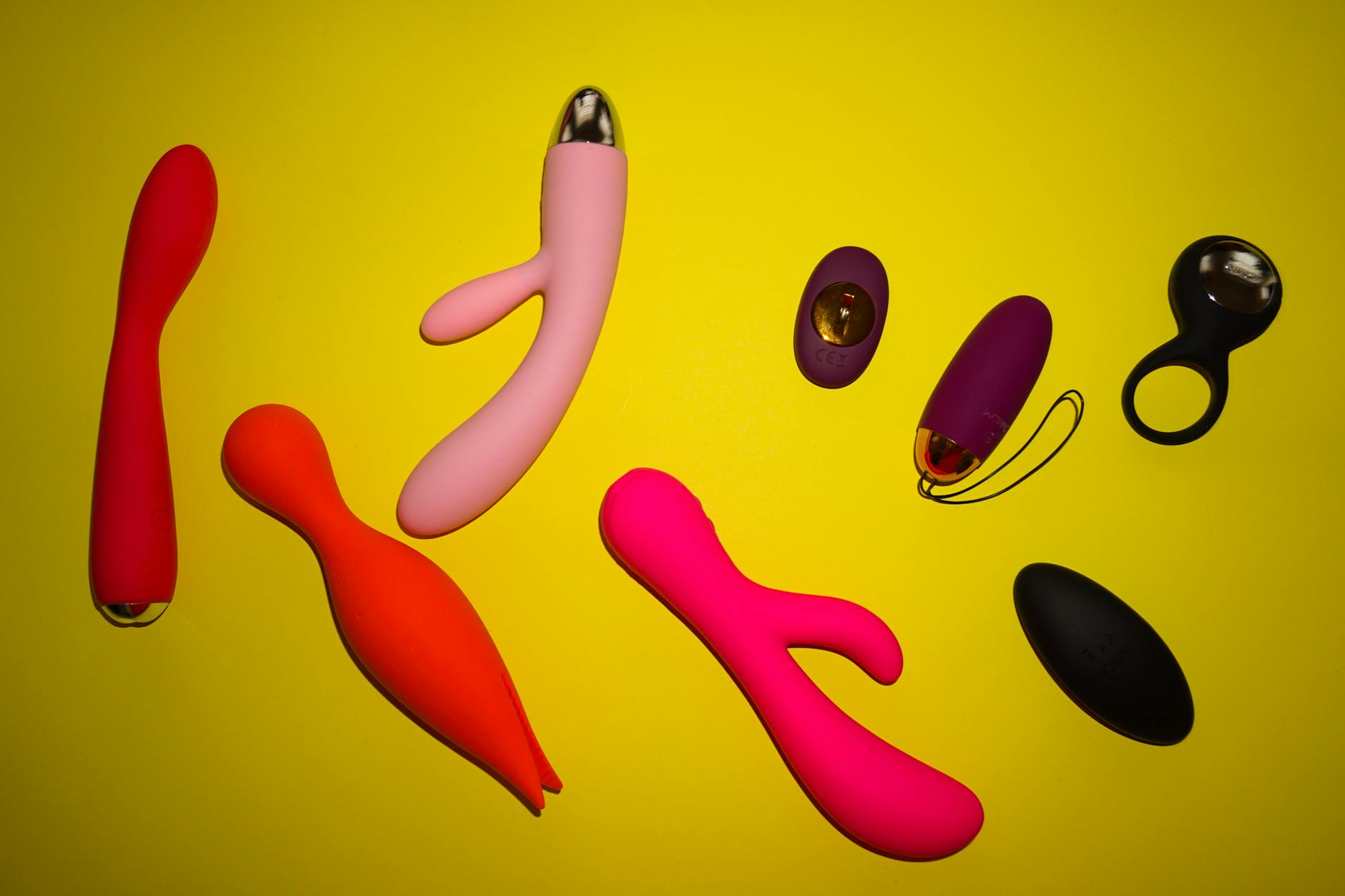
Photo by FounderTips on Pexels
Addressing specific concerns
You might worry that introducing a toy means something's broken in your relationship. It doesn't. Sexual desire evolves. Bodies change. Boredom happens. A lemon clitoral vibrator is a tool for expansion, not a fix for a broken thing. Some of the most connected couples I work with use toys regularly.
You might also worry that your partner will become dependent on the vibrator for orgasm. This isn't how sensation works. A clitoral vibrator doesn't retrain your nervous system. It just provides a different type of stimulation. Most people are perfectly capable of having orgasms with or without one. Some people find that orgasms are easier or more intense with support. That's fine.
One more thing: if one of you is much more enthusiastic than the other, that's worth noting. A partner who's hesitant but willing is different from a partner who's genuinely excited. Both are valid. But mismatched enthusiasm can sometimes point to a deeper hesitation that might be worth exploring separately.
When to bring in a second toy
Some couples want to use multiple toys, or toys for different people. That's a conversation for later, after you've established comfort with one. You're not building a collection; you're learning what works for both of you.
If you're interested in exploring partnered pleasure more deeply, there are resources available. The guides we've created at Hello Nancy specifically address couples dynamics, and there's real science behind why certain tools work better together than alone.
FAQ: Couples and Lemon Vibrators
Can we use a lemon vibrator during penetrative sex?
Yes, and it's one of the most effective integrations. The lemon clitoral vibrator can be applied during any type of penetration—penis, fingers, or strap-on. The key is positioning and communication. Start with manual penetration first to get comfortable with the angles, then explore partnered penetration once you know what feels good. Most couples find that applying the vibrator from above or the side works best. Your partner might hold it, you might hold it, or you can trade control. There's no single "right" way.
What if my partner feels threatened by the toy?
That's real and worth taking seriously. Some of the concern is rooted in messages we all absorbed about what "good" sex should look like. Solo pleasure is fine. Partnered pleasure should happen "naturally." Anything else is cheating or means someone's inadequate. None of that's true, but it's deeply embedded. If your partner expresses worry, the best response isn't to convince them they're wrong. It's to listen, to validate that their feelings make sense given everything we're taught, and to offer reassurance that this is about deepening what you share, not replacing them. Some partners need to see how much you enjoy it with them present before the anxiety lifts. That's okay.
Is using a lemon vibrator during sex the same as using it alone?
No. Using a clitoral vibrator alone, you control everything: intensity, rhythm, when you pause. With a partner, you're both managing sensation. Someone else is moving. There's a rhythm to negotiate. The emotional context is completely different. Some people find partnered use more intense, others find it requires more mental surrender. Most report it feels like a genuinely different experience, not just "the same thing with someone watching."
How often should we use a lemon vibrator together?
There's no schedule. Some couples use one every time. Some use it once a month. Some try it once and don't go back. The frequency doesn't matter as much as whether both people are interested. If one person is using it every time and the other is just going along with it, that's worth checking in on. Pleasure should be mutual and genuinely desired, not obligatory.
What if only one of us wants to use it?
Then that person can use it during partnered sex while the other engages in whatever feels good for them—manual movement, presence, whatever. Not every person needs clitoral stimulation from a tool. Some people do. The partnership works when you're both clear on what you want and you're not silently resenting each other for different preferences. If you have really divergent desires, that might point to a conversation worth having with a couples therapist.
How do we talk about this without making it weird?
Lead with curiosity instead of criticism or suggestion. "I read something about couples using vibrators together and I'm curious what you think" is different from "We should probably try this." The first invites response. The second can feel like a directive. Also, timing matters. Don't bring it up during or right after sex. Give your partner time to actually think about it instead of responding in the moment. And remember that hesitation isn't a "no." It's information. Sometimes people need a few days to process before they're genuinely open.
The bottom line
Introducing a lemon vibrator into partnered pleasure requires two things: honest communication and genuine curiosity about what feels good for both of you. If you have those, the actual mechanics are straightforward. If you don't have those, no amount of technique fixes it.
Most couples who move slowly, stay communicative, and keep checking in with each other find that using a clitoral vibrator together actually deepens their intimate connection. You learn each other's bodies differently. You pay more attention. You ask for what you want. That's relationship work disguised as sex.
If you're still uncertain about whether this is right for you, that's fine too. Not every couple uses toys, and that's completely valid. But if you're curious, the conversation is worth having. The worst that happens is you learn something about each other. The best that happens is you discover a new dimension of shared pleasure.
If you want more guidance on couples dynamics and pleasure, we've also created resources on <a href="/blog/how-to-introduce-a-lemon-vibrator-to-your-partner-without-awkwardness">introducing a lemon vibrator to your partner without awkwardness</a> and <a href="/blog/best-lemon-vibrators-for-women-with-partners-couples-guide">the best lemon vibrators specifically for couples</a>. Both dig deeper into communication and specific scenarios you might encounter.
Your pleasure matters. Your partner's matters too. And exploring that together can be genuinely wonderful.