
Let's settle the confusion right away
Yes. Suction and vibration feel wildly different. Not better or worse, but different in ways that matter for your body, your pleasure, and what actually gets you there.
If you've only used traditional vibrators, a lemon vibrator (or any suction-based clitoral vibrator) can feel shocking at first. Your brain doesn't quite know what to do with a sensation that's rhythmic but pulling rather than buzzing. Most people need 30 seconds to two minutes to adjust. After that, many never go back.
How vibration actually works on your clitoris
Traditional vibrators send oscillating waves through the tissue. They buzz, flutter, or pulse at anywhere from 2,000 to 10,000 cycles per minute depending on the motor. The stimulation is broad and distributed across whatever surface area you press against the vibrator.
Here's what happens neurologically. The vibration activates A-delta nerve fibers (the ones that fire quickly) and triggers a cascade of sensory input to the brain. It's like a fast, sustained nudge. The sensation builds gradually as arousal increases, but it requires consistent, direct pressure. You have to keep the vibrator in place and hold contact.
The catch: repetitive vibration can numb tissue over time. If you use the same vibrator for years, you might notice you need higher intensity to feel the same effect. That's not a problem with you. That's neural adaptation. Your nervous system literally gets used to that frequency.
How suction works (and why it feels completely different)
Lemon vibrators use gentle suction that mimics oral stimulation. The sensation pulls the clitoral tissue up into a small chamber rather than buzzing it. The suction cycles, usually at a slower rhythm than traditional vibration (typically 200-300 cycles per minute), and creates a different kind of pressure.
This activates different nerve fibers. Meissner's corpuscles and Pacinian corpuscles, which respond to sustained pressure and deep touch, light up differently than they do with buzzing. The sensation travels deeper into the tissue rather than staying superficial.
Most importantly: suction doesn't numb the way vibration can. Because the stimulation mechanism is mechanical pulling rather than rapid oscillation, your nervous system doesn't habituate to it the same way. That means after months or even years, lemon vibrators tend to feel just as effective. Many people report that sensation actually intensifies over time.
The comfort difference that no one talks about
Here's something that surprises people. Vibration requires consistent pressure. You have to keep pushing the vibrator against your body. Over longer sessions (20, 30, 40 minutes), that pressure can start to feel fatiguing. Your hand gets tired. Your arm aches. The constant grinding sensation, even if it's pleasurable, becomes work.
Suction, by contrast, creates a seal. Once you position it, you're not muscling it into place anymore. You can relax. The suction does the work. For people with limited hand strength, arthritis, or anyone who finds themselves holding tension during sex, this shift is massive. You're no longer clenching. You're just receiving.
Photo by cottonbro studio on Pexels
Intensity feels different too
With traditional vibrators, intensity is mostly speed. You crank up the motor, it vibrates faster, the sensation intensifies. It's linear.
With a lemon clitoral vibrator, intensity is about suction strength. There's typically a range from gentler to stronger pull, but it doesn't work the same way. Gentle suction from a lemon vibrator at setting 2 often feels stronger than many vibrators at full buzz because the sensation is more concentrated and affects different nerve pathways.
This matters if you're sensitive. If you've found traditional vibrators too intense, starting with a lemon sucker on a low setting might feel manageable in a way that other toys don't. The sensation is focused but not aggressive.
Why some bodies prefer suction over vibration
There are real physiological reasons why lemon vibrators work better for certain people.
If you have a sensitive clitoris, suction distributes sensation differently than direct pressure from a vibrating surface. It's gentler in some ways because it's not the vibrator itself touching your tissue. There's a seal and a pull instead.
If you've experienced numbness from long-term vibrator use or from medications, suction can wake up sensation that's gone dormant. Because it activates different nerve pathways, it bypasses some of the habituation that's happened. People often report that the first time they use a suction vibrator after years of traditional models, they feel something they'd forgotten was possible.
If you have vaginismus, pelvic floor tension, or any condition where direct contact feels too intense, suction can be less triggering. The sensation is pulling rather than pushing, which neurologically can feel safer for some nervous systems.
What about partners and shared pleasure
If you're using a lemon vibrator with a partner, the dynamic shifts. Traditional vibrators can be clunky to incorporate into partnered sex. They buzz loudly, require batteries or charging, and take up mental real estate. A lemon sucker is quieter and, once it's sealed, mostly stays where you put it. Some partners find it easier to use during sex because it's less intrusive.
That said, every couple's preference is different. If you're considering introducing a lemon vibrator to your partner, lead with curiosity, not performance. "I want to explore something that feels different" is a better opener than "This will make things better." You can read more about navigating that conversation in our guide to introducing a lemon vibrator to your partner without awkwardness.
Does it matter if I've never used toys before
Not at all. Some people's first toy is a traditional vibrator. Others find a lemon clitoral vibrator first and have no frame of reference for comparison. Both paths are fine. If you're starting from zero, a suction toy like the Lemon Clitoral Vibrator can feel quite different from what you might expect, but "different" is not the same as "wrong."
Start on a lower setting. Let your body adjust for a minute or two. You're not looking for immediate fireworks. You're looking for what feels good to you.
The switching game (vibration plus suction)
Honestly though? Many people don't choose one or the other. They use both. Traditional vibrators and lemon sexual toys do different things. A vibrator might help you build arousal quickly. A lemon sucker might help you get over the finish line. Or it might be the other way around. Some people layer them: suction as the main event, vibration as the opener.
The point is you're not locked into one category for life. Your body changes. Your preferences change. Your nervous system's response to different stimuli changes. Learning how your pleasure works after hormonal changes is part of staying connected to yourself.
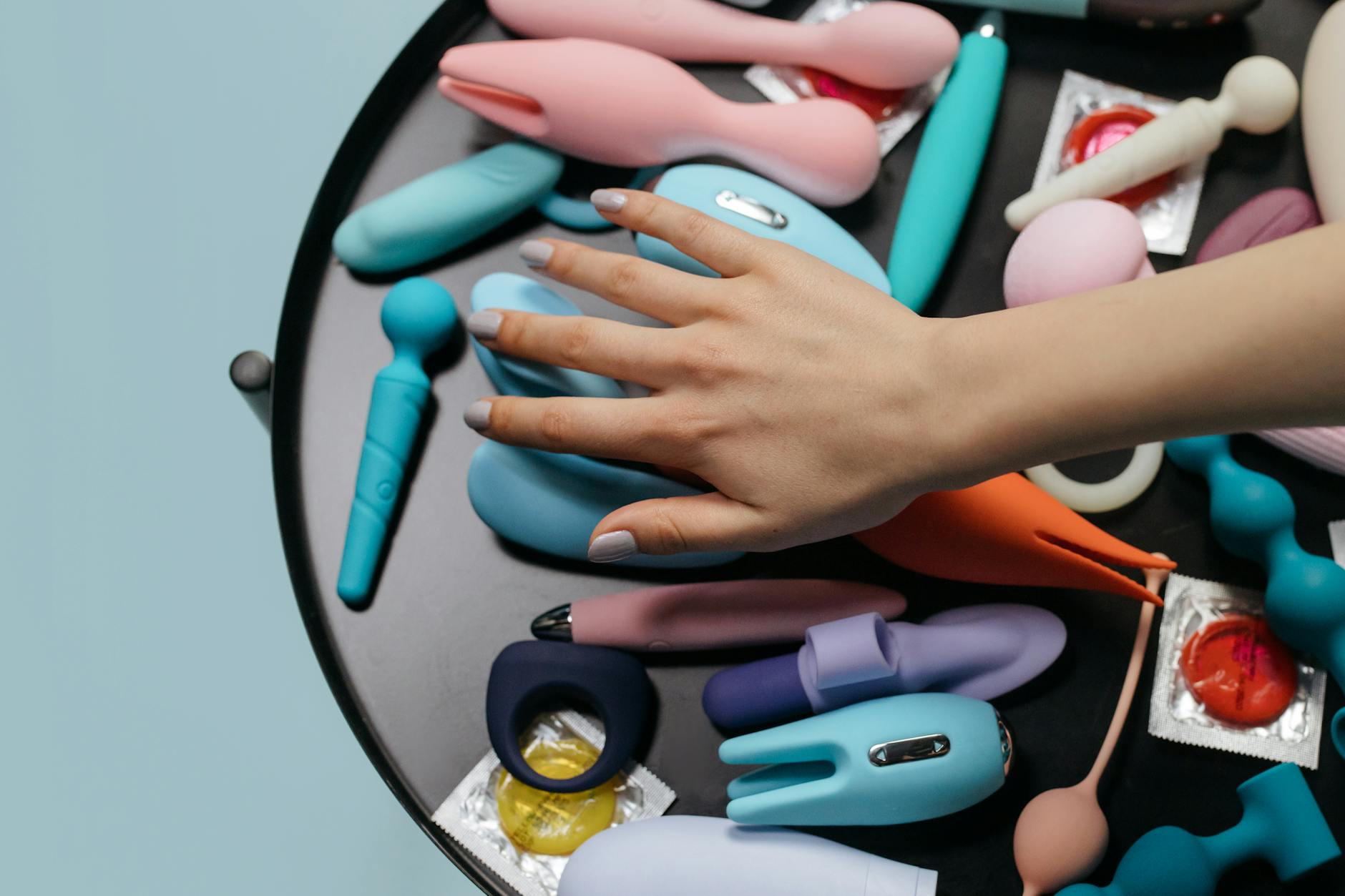
Photo by cottonbro studio on Pexels
Cleaning and care: suction toys are actually easier
One practical note that affects long-term use. Lemon vibrators and other suction toys are typically easier to clean than vibrators with crevices and hard-to-reach motors. That matters for hygiene and for how often you actually want to use them. The simpler the design, the less gross you feel about upkeep.
How to know which one to try first
If you're sensitive or you numb easily with vibration, start with a lemon sucker. If you like fast intensity and straightforward pressure, a traditional vibrator might feel more intuitive. If you're recovering from numbness or trying to rebuild sensation after illness or medication, suction tends to work better. If you have a tense pelvic floor or you're working on relaxation, the non-invasive pull of suction can feel less triggering than the push of vibration.
Honestly though, the only way to know is to try. And that's okay. You deserve to explore what actually works for your body instead of guessing based on what worked for someone else.
People also ask
Can I use a lemon vibrator if I've never had an orgasm before
Yes. Suction stimulation activates different nerve pathways than traditional vibration, which means it can help reach people who haven't found their path yet. The gentler pull of suction is less overwhelming for some nervous systems, which can actually make it easier to relax into sensation. Start on the lowest setting and give yourself time. Pleasure isn't about speed.
How long does it take to adjust to suction if I've only used vibrators
Most people adjust within one to three minutes of first use. Your brain is figuring out a new sensation, which feels weird at first. If after five minutes it still doesn't feel good, that's information too. It doesn't mean lemon vibrators aren't for you, just that your body might need more time or a different approach. Try again in a few days.
Will a lemon sucker feel less intense than my current vibrator
Not necessarily. Suction intensity works differently than vibration intensity. A gentle lemon clitoral vibrator at setting 2 can feel stronger than a traditional vibrator at medium intensity because the sensation pathway is different. Intensity is about what your nervous system perceives, not just physical force.
Can suction cause irritation if I use it too much
Too much suction, especially on high settings for extended periods, can leave small marks or cause temporary sensitivity. It's not dangerous, but it's information. If you're marking easily, you're using it for too long or too intensely in one session. Take breaks. Rotate between settings. Your tissue will thank you.
Is suction safer than vibration for people with medical conditions
It depends on the condition. Suction is generally gentler on sensitive tissue and less likely to cause nerve habituation over time. But if you have specific health concerns, check with your doctor. They know your body better than anyone. Most conditions don't contraindicate lemon vibrators, but it's worth asking.
How do I clean a lemon sucker to keep it sanitary
Most lemon vibrators are silicone or ABS plastic with simple designs. Wash with warm soapy water after use. You can also use a toy cleaner if you prefer. Dry completely before storing. Because suction toys don't have lots of crevices, cleaning is faster than you'd think. That's one of the practical wins.
The real takeaway
Suction and vibration aren't competing categories. They're different tools that do different things for different bodies. One isn't better. One might be better for you. The only way to find out is to stay curious, give your body time to adjust, and pay attention to what actually feels good instead of what you think should feel good.
Your pleasure matters. That means trying new things. That means giving yourself permission to prefer something unexpected. That means knowing the difference between stimulation methods so you can make choices that work for your actual body, not anyone else's.
If you're ready to explore, start here. If you're still figuring out which avenue to take, reach out. We're here to help you figure out what works. You can get in touch anytime at /contact.
References
- International Society for Sexual Medicine: Clinical perspectives on clitoral stimulation and sensory variation in sexual response
- Journal of Sexual Medicine: Comparative neural activation patterns during vibration vs. suction-based stimulation
- Planned Parenthood: Sexual pleasure and comfort during device use
- Masters and Johnson Institute: Physiological response to different mechanical stimulation methods