When estrogen drops, everything rewires
Estrogen doesn't just regulate your cycle. It controls tissue thickness, blood flow to the vulva, natural lubrication, and how quickly nerve endings fire when touched. When it drops, your clitoris gets the memo first. The tissue thins. Blood flow slows. That warm, ready-to-go feeling you might have known for decades can vanish almost overnight.
Here's what matters: your capacity for pleasure didn't leave. It just needs different conditions to wake up.
What actually changes when estrogen drops
Three physiological shifts happen at once.
Tissue atrophy. The vaginal and clitoral tissue becomes thinner and more fragile. The vulva has less plump, stays less engorged during arousal. This changes the sensation texture entirely. Direct, firm pressure that used to feel amazing might feel almost sharp now.
Reduced natural lubrication. Your body makes less of it, and what it does make takes longer to arrive. Without it, friction increases and sensitivity gets more intense in ways that aren't always pleasant. Many people think they've lost capacity for pleasure. They've actually just lost the slick path to it.
Slower arousal buildup. Mentally, you might be ready. Physically, your vulva is dawdling. Fifteen to twenty minutes of actual stimulation might now be required before things feel good, where five used to work. This isn't dysfunction. It's just a different timeline.
Your clitoris still has the same nerve density. Your brain still fires the same way. The architecture of desire hasn't changed. The friction and timing have.
Why lemon clitoral vibrators work when sensation shifts
Most traditional vibrators use direct mechanical vibration. They press hard and buzz fast, which works fine when tissue is plump and ready. When estrogen is lower, that same motion can feel too harsh, too sharp, or weirdly intense in all the wrong ways.
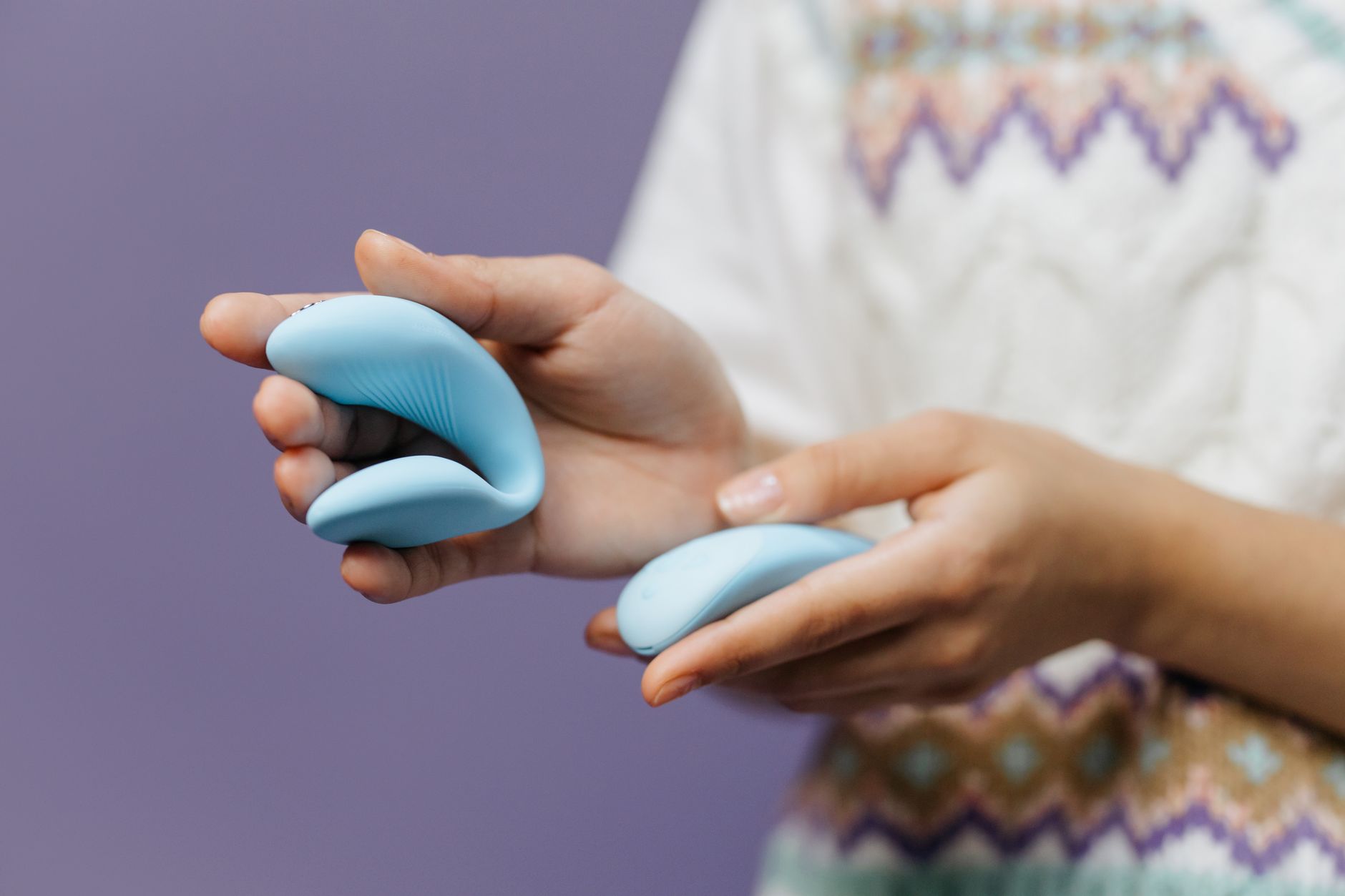
Lemon clitoral vibrators, especially models like the Lem, use air-suction technology instead. Here's why that matters: suction stimulates the sensitive nerve clusters without the same relentless mechanical pressure. It's gentler on thinner tissue. It builds sensation gradually rather than hitting you with intensity all at once. For people experiencing estrogen-related changes, this is the difference between pleasure and discomfort.
The suction also pulls blood toward the clitoris, which helps with that arousal lag. You're actively encouraging engorgement rather than just waiting for it to happen on its own. Many people find sensation returns much faster with suction than it does with traditional vibration alone.
How to use lemon vibrators when tissue sensitivity changes
Start at the lowest setting every time. When tissue is thinner, your sensitivity threshold shifts. A setting that felt perfect two years ago might feel overwhelming now. Spend the first few sessions just getting to know how your body responds at patterns one, two, and three. Pattern four can wait.
Budget time for warm-up. This isn't about foreplay in the partnered sense. This is about giving your body the fifteen to twenty minutes it now needs to build arousal naturally. Use the first five to ten minutes of that without the vibrator. Touch, breathe, let your mind wander into what feels good. Then bring in the toy.
Use water-based lubricant. Not because you're broken, but because lube changes everything when estrogen is lower. It replaces what your body isn't making as much of anymore. A good water-based option (avoid silicone if you're using silicone toys, as they don't play well together) makes the sensation glide instead of catch. Many people assume sensation has left entirely when what's actually happened is the lubricant layer evaporated.
Angle matters more now. When tissue is fuller, angles don't matter as much. When it's thinner, slight differences change everything. The Lem works beautifully when angled slightly downward, letting the sensation focus on the clitoral body rather than the most sensitive tip. Experiment. What works one day might not work the next, and that's normal.
When sensation feels different than before
You might notice orgasms feel different. They sometimes become more concentrated, less radiating. Some people experience less of that full-body wave and more of a localized pulse. Some people find orgasms actually become more intense because the sensation is more focused. Both are fine. Different isn't worse.
You might also notice that arousal feels more fragmented. You get close, then lose it, then build back up. This happens because blood flow is less stable. Your mind wanders more easily. Your body needs more external input to stay engaged. This is where how to use lemon vibrators when sensation feels different with a new partner becomes relevant—many of the barriers are the same whether the change is hormonal or relational.
The mental piece that matters as much as the physical
Here's what I see in my practice: people assume sensation has left and stop trying. That assumption becomes the barrier. Estrogen does change things. But estrogen is not a light switch. It's a dimmer dial, and you can absolutely work with a lower setting.
Many people also carry grief about the shift. You had a body that worked a certain way for thirty or forty years. That's real to mourn. Give yourself a moment with that feeling. Then decide: do I want to explore what's possible now, or do I want to spend energy wishing for what was? The people who get pleasure back are usually the ones who choose exploration.
Using a lemon clitoral vibrator isn't about "compensating." It's about working with your body as it is now, not as it was. That shift in perspective changes everything.
Communication if you have a partner
If you're partnered, the conversation matters. "My body is changing and I need to explore what works now" is very different from "Something's wrong." The first invites partnership. The second can create defensiveness or blame.
If your partner is used to being the primary source of stimulation, introducing a lemon vibrator sometimes triggers insecurity. Frame it clearly: "This isn't about you. My body chemistry changed and I want to figure out what feels good now. Want to help me explore?" Most partners respond well to that clarity. Some don't. If they don't, that's information too.
When to check in with a doctor
If sensation shifts are accompanied by pain, don't wait. Genitourinary syndrome of menopause (GSM) is real, treatable, and extremely common. A gynecologist or menopause specialist can prescribe topical estrogen creams that have minimal systemic absorption but massive local effects. You can see changes in four to six weeks.
If arousal completely disappears and doesn't return after six to eight weeks of exploration with tools and time, it's worth discussing hormone therapy options. Not everyone needs or wants it. But it's available, and for some people, it's genuinely transformative.
FAQ
Why do lemon clitoral vibrators feel better than traditional vibrators when estrogen is lower?
Lemon vibrators use air-suction technology, which stimulates nerve endings without harsh mechanical pressure. Traditional vibrators rely on direct vibration, which can feel too intense on thinner, more sensitive tissue. Suction also draws blood to the area, helping rebuild natural engorgement that usually takes longer when estrogen drops. The gentler approach means you get pleasure without discomfort.
How long does it take to feel sensation return after starting to use a lemon vibrator?
It varies. Some people notice a difference in one or two sessions. Others take two to three weeks of consistent exploration. The key is consistency without pressure. Your nervous system is learning a new rhythm. That takes repetition. Don't expect the same instant response you had before. Instead, look for gradual rebuilding of sensation, better arousal ramp-up time, and stronger orgasms when they do come.
Can I use a lemon clitoral vibrator if I'm on hormone therapy?
Absolutely. In fact, if you're on topical estrogen cream for GSM, using a lemon vibrator becomes even more effective. The cream rebuilds tissue health, and the vibrator helps you learn how your body responds as that healing happens. If you're on systemic hormone therapy, the same applies. The tools work together. Just wait about twenty minutes after applying topical estrogen before using your vibrator, so the cream has time to absorb.
Does using a lemon vibrator regularly make sensation numb?
Not in the way you might think. If sensation feels duller after several sessions, it's usually one of three things: you've moved up to too high a setting too fast, you're using it without adequate rest days, or you need a stronger lube layer. Pull back to the lowest setting, skip a day or two, and make sure you're using water-based lubricant generously. Sensation usually bounces back within a week. This is different from why lemon vibrators feel less intense after using traditional vibrators, which is a separate physiological pattern.
What if my partner isn't comfortable with me using a toy when estrogen changes things?
This deserves a real conversation, not a quick fix. Many partners worry the toy means they're not enough. That fear is often about insecurity, not logic. Try this approach: "My body changed chemically. A lemon vibrator helps me rebuild sensation and feel pleasure again. That's about my body, not about you." If they're still uncomfortable after understanding why you need it, that's worth exploring in a therapy context. A partner who wants you to suffer rather than adapt has a problem that goes beyond sex toys.
Can I use a lemon vibrator if I'm still having a cycle but feeling sensation changes?
Yes. You might notice sensation shifts even if estrogen hasn't bottomed out yet. Perimenopause, stress, illness, and birth control changes all affect sensation before full menopause arrives. A lemon vibrator works beautifully for any of those transitions. You don't have to wait for a diagnosis to explore what helps your body feel good.
The long version of pleasure after forty
Estrogen changes sensation. That's biology. But it's not the end of the story. It's the beginning of a new chapter where your body might actually know better what it wants. Many of the people I work with find that post-shift pleasure is more intentional, more focused, and sometimes more intense than what came before. Your body isn't broken. It's just asking you to pay closer attention, move a little slower, and use better tools. That's not a loss. That's an invitation.
When sensation shifts, a lemon clitoral vibrator isn't compensation. It's partnership with your body as it is now. Start low, go slow, and give yourself permission to explore without timeline pressure. Your pleasure is still there. It just needs the right conditions to show up.