Here's what nobody tells you about pleasure after 40
Your body doesn't stop wanting pleasure after 40. But something shifts. Maybe sensation feels muted. Maybe arousal takes longer to build. Maybe you've spent so long managing other people's needs that you've genuinely forgotten what your own pleasure feels like.
This is not about hormones only, though hormones matter. It's about attention, friction (literally and metaphorically), and the tools that help you find your way back.
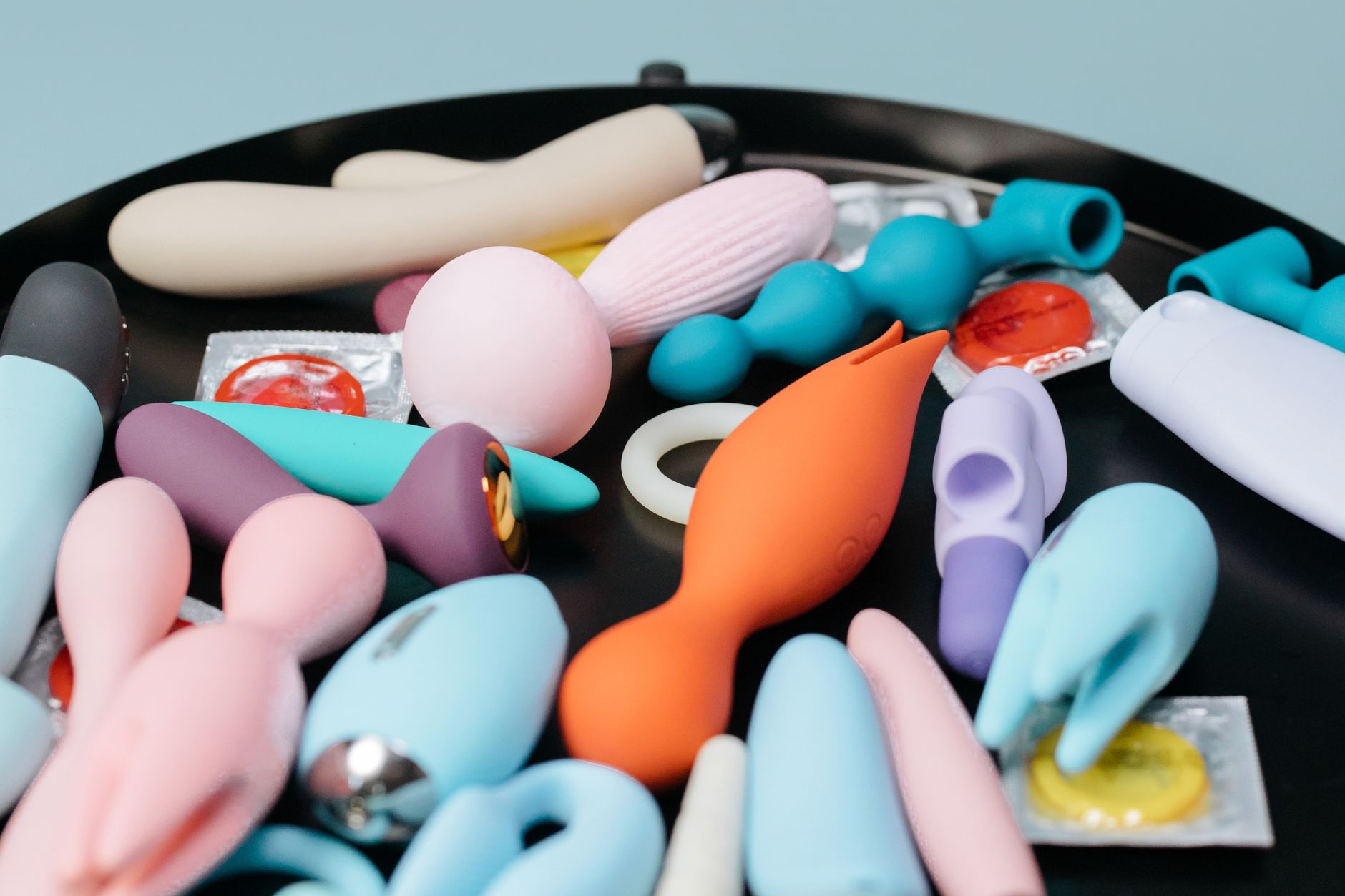 Photo by cottonbro studio on Pexels
Why pleasure often feels different after 40
There are three layers to this. The first is physical. Estrogen influences tissue thickness, lubrication, and how quickly your nervous system fires up. As you move through perimenopause or into menopause, those signals slow down. That's real. That's also completely manageable.
The second layer is relational. After 20 years with the same partner, or after cycling through multiple relationships, or after years of prioritizing everyone else's pleasure, your own can feel like it belongs to someone else. Your attention has been elsewhere. Bringing it back takes intention.
The third layer is practical. You may still be using the same approach to pleasure you used at 25. If your clitoris is less responsive to direct touch, if you need longer warm-up, or if standard vibration patterns feel either too intense or not intense enough, friction happens. Then you stop trying.
All three can be addressed. Lemon clitoral vibrators, specifically, are built for this phase of life. They use air-suction technology instead of traditional vibration, which creates a gentler, broader sensation that doesn't depend on the same direct friction that worked when tissues were thicker and arousal was faster.
How lemon vibrators work differently
A traditional vibrator works through rapid oscillation. You place it directly on your clitoris and the vibration does the work. If your clitoris is sensitive or if thinner tissue makes direct stimulation uncomfortable, this can feel too sharp.
Lemon clitoral vibrators use a different mechanism. They create a suction-and-release rhythm that stimulates the entire clitoral complex, not just the tip. This means:
- Broader, less localized stimulation
- Less reliance on tissue firmness
- More control over intensity (air-suction patterns are gentler at lower settings than traditional vibration)
- A sensation that feels more like a partner's mouth than a vibrator
This distinction matters after 40 because it addresses the exact friction point most people hit. You don't need a stronger vibrator. You need a different kind of sensation.
Starting over: the first week
Let's say you haven't used a vibrator in years, or you've tried one and it didn't work. Here's how to reintroduce yourself to pleasure using lemon vibrators.
First, set aside time without an audience and without a goal. Not "use this until I orgasm." Just "get curious."
Start with the lowest intensity setting. If you're using The Lem or another lemon vibrator, begin on pattern 1 or 2. Spend 5 minutes exploring. This isn't foreplay yet. It's reconnaissance. You're learning what the sensation feels like on different parts of your vulva, not just your clitoris.
Many people report that the broader, gentler sensation of lemon clitoral vibrators feels accessible immediately. There's no sharp edge to acclimate to. If it feels good on setting 1, stay there. There's zero reason to turn it up. The goal is to reactivate your nervous system's pleasure response, not to push toward an orgasm.
On days 2-4, repeat. Same time, same intensity, same low expectations. You're building a neural pathway that says "my pleasure matters," and neural pathways need repetition.
By day 5-7, you might find your body responding differently. Arousal might build faster. Sensation might feel sharper. That's your nervous system waking up. Still no pressure to orgasm. The orgasm is the byproduct of consistent, low-pressure attention.
When you want to use lemon vibrators with a partner
This is where pleasure after 40 gets interesting, because you know what you want now, and you're less willing to compromise.
First conversation: tell your partner you're rebuilding your pleasure and you'd like their support. Not "I'm broken and need fixing." Try "I'm exploring what works for my body now, and I'd like you to be part of it."
Introduce the lemon vibrator without expectation of partnered sex. Use it together while you're in bed, but with no "final destination." Let them see what the sensation looks like on your face, how your body responds, what patterns you gravitate toward.
Many partners feel confused by vibrators because they interpret them as competition or critique. Reframe it: "This is me learning what I like now, and I want to share that with you."
If you want to integrate a lemon clitoral vibrator into partnered sex, the easiest pathway is during foreplay or while your partner is touching you another way. The suction sensation of lemon vibrators pairs well with oral sex or penetration. Start with the lower settings, and communicate what feels good. Your partner isn't reading your mind. They're reading your body.
Building sensation over weeks
After the first week of solo exploration, you can start experimenting with intensity. Move from pattern 1 to pattern 2 or 3. Notice what shifts. Does higher intensity feel better, or does it desensitize you? Everyone's nervous system is different.
Try different timing. Some people find that using a lemon clitoral vibrator mid-morning, when cortisol is naturally higher and stress is lower, works better than evening. Some people need 20 minutes of solo time before they can relax into pleasure. Some need their partner next to them.
Notice what your clitoris wants. After 40, your body knows. It will tell you if it needs more warmth, more time, different rhythm. The job of lemon vibrators is to make it possible for you to listen.
After 2-3 weeks of consistent use, most people report measurable shifts. Sensation feels less muted. Arousal builds faster. Orgasms, when they happen, feel less like a destination and more like a natural conclusion.
The mindset piece matters more than the tool
Here's the honest part: The Lem and other lemon clitoral vibrators are good at their job. But the real tool is permission.
After 40, you're allowed to want what you want. You're allowed to take 20 minutes to warm up. You're allowed to need your partner to touch you a certain way. You're allowed to use a vibrator and ask for more, both at the same time. You're allowed to stop if something doesn't feel good and try again tomorrow.
Most of the disconnection women report after 40 isn't physiological. It's permission-based. You've been told for decades that good pleasure should be spontaneous, easy, and focused on someone else's needs. At 40, you get to write a different story.
Lemon vibrators help because they're built for this revised version of your body and your needs. But the magic is in your willingness to ask for something different.
When to reach out for more support
If pleasure continues to feel inaccessible after 4-6 weeks of consistent exploration, or if there's pain, talk to a doctor or a sex therapist. Sometimes sensation changes are connected to medication shifts, thyroid changes, or other physiological factors that are fixable.
If the disconnection is relational, a couples therapist or sex therapist can help you and your partner rebuild intimacy in a way that feels alive at this stage of your life. Reconnecting with pleasure after 40 often means reconnecting with your partner differently.
You're not broken. Your body has just moved into a new season, and it needs new attention.
FAQ: Common questions about lemon vibrators after 40
Will a lemon clitoral vibrator feel different than the vibrators I used when I was younger?
Yes, dramatically. Lemon vibrators use air-suction technology rather than traditional vibration, which creates a broader, less intense sensation. After 40, when direct friction can feel too sharp or tissue is less responsive, this gentler approach often feels more accessible and more pleasurable. Many people find that a lemon clitoral vibrator awakens sensation in ways standard vibrators couldn't.
How long does it take to feel a difference in sensation?
Most people notice shifts within the first week of consistent, low-pressure use. Sensation might feel sharper or arousal might build a bit faster. Significant changes in responsiveness and pleasure intensity typically appear after 2-3 weeks. Everyone's timeline is different, and patience matters more than speed.
Is it normal for pleasure to feel disconnected after 40?
Completely normal. Hormonal shifts, relationship patterns, life stress, and changes in how your body responds can all contribute. What's important is that disconnection is reversible. With the right tools and permission, you can rebuild a pleasure life that feels even richer than what came before.
Can I use lemon vibrators if I'm in perimenopause or menopause?
Yes, absolutely. In fact, lemon clitoral vibrators are particularly well-suited for bodies moving through hormonal transitions. The gentler, broader sensation works well when tissue is thinner and direct stimulation feels too intense. Many women report that lemon vibrators help restore pleasure during a time when it might feel elusive.
What if my partner thinks I'm using a vibrator because they're not enough?
Talk about it directly. Explain that this isn't about them. It's about you rebuilding your own pleasure and desire. Most partners feel less threatened when they understand that the vibrator is helping you become more responsive and more interested in sex, which benefits both of you. How to Use Lemon Vibrators During Sex With a Partner If You're Nervous has more conversation starters.
Should I use lube with a lemon clitoral vibrator?
For most people, especially after 40, yes. Water-based lube makes the sensation feel smoother and reduces friction. It also makes the suction mechanism of lemon vibrators feel more comfortable. Even if natural lubrication builds, adding a small amount of lube often enhances the experience.
Will using a lemon vibrator make me less responsive to touch?
No. The opposite is usually true. Consistent use of lemon clitoral vibrators tends to increase responsiveness to touch over time because you're training your nervous system to recognize and accept pleasure signals. Many people find that after regular use, they're more responsive to their partner's touch.
The pleasure you deserve is still waiting
After 40, pleasure doesn't disappear. It just requires you to show up differently. With intention. With tools that match your body now, not your body at 25. With permission to take the time you need and ask for what you want.
Lemon clitoral vibrators are designed exactly for this phase of life, because pleasure at 40 is not about urgency. It's about attention. If you're ready to rebuild, you have more power than you realize. Start small, stay curious, and let your body relearn what it already knows how to do.
For more on reconnecting with pleasure through life transitions, explore how to use lemon vibrators when sensation numbs after regular sex or read about rebuilding pleasure after relationship changes.
Your pleasure matters. Start today.