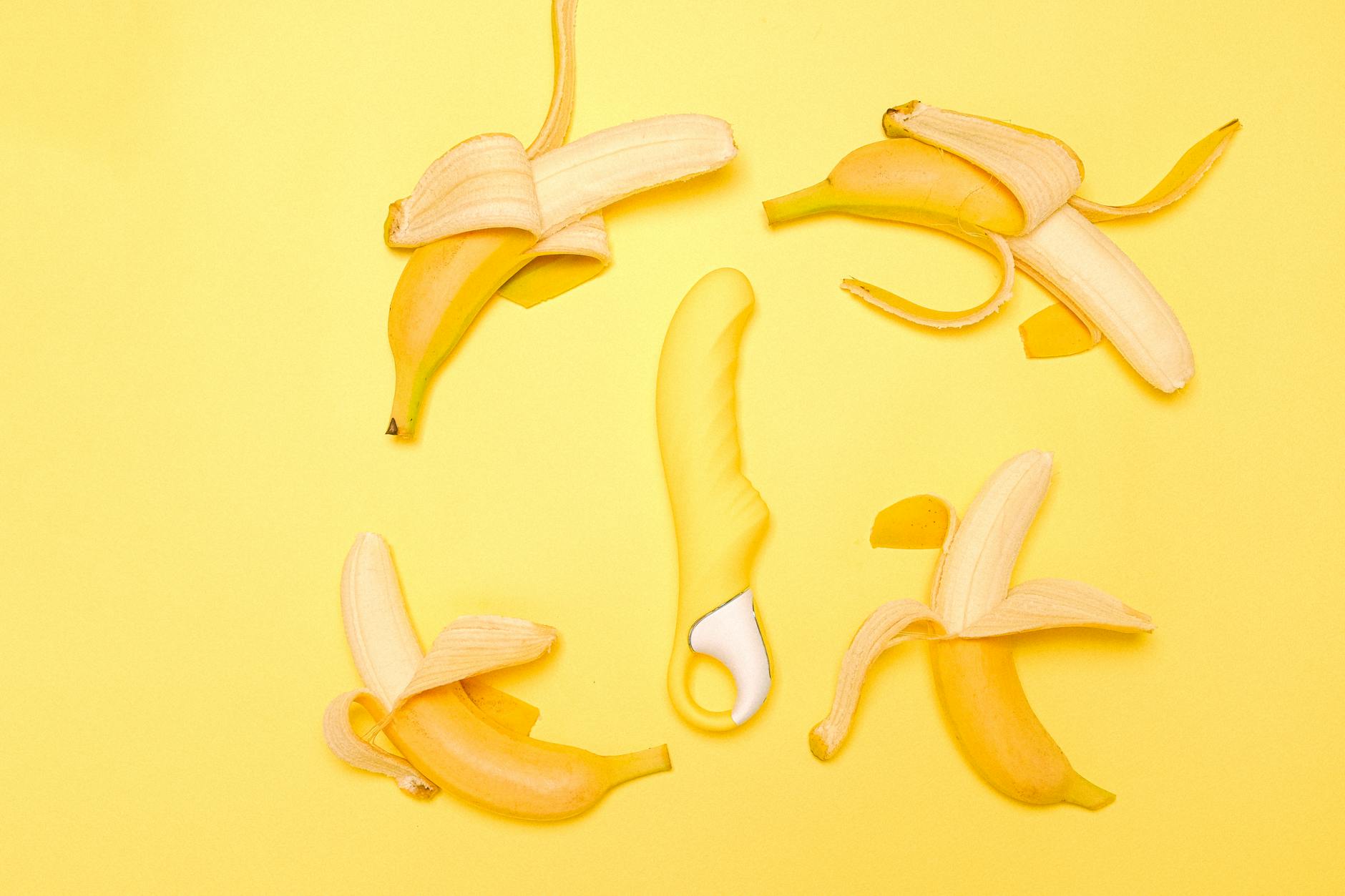
The difference between suction and vibration is bigger than you think
Let's be real: if you've only used standard vibrators, you might assume all clitoral toys work basically the same way. They buzz, right? Wrong. Lemon vibrators and traditional vibrators operate on completely different principles, and that distinction changes everything about how they feel and what they deliver.
Standard vibrators use oscillating or rotational motors that shake at a fixed frequency. Lemon clitoral vibrators use pulsing suction technology. This is not a minor tweak. It's a fundamentally different stimulation pattern, and understanding why helps you figure out which approach your body actually wants.
How traditional vibrators stimulate the clitoris
A conventional vibrator creates pleasure through direct friction and buzz. The motor vibrates (usually between 5,000 and 10,000 vibrations per minute), and that vibration travels through the toy into your tissue. Your clitoris has roughly 8,000 nerve endings concentrated in a tiny area, so sustained vibration triggers a cascade of sensations that build toward orgasm.
This works. It works for millions of people. But here's what happens with sustained vibration: your nerve endings adapt. This is called habituation. After a few minutes of the same frequency and intensity, your body starts tuning it out. You need to change the pattern, increase the power, or switch angles to stay interested. Many people find themselves chasing the sensation rather than sinking into it.
Traditional vibrators also rely on direct contact. The toy has to press against your clitoris with enough pressure for the vibration to register. This feels great for some people. For others, especially those with sensitive tissues or clits, direct pressure can feel too intense, too sharp, or even uncomfortable after a while.
How suction-based lemon vibrators feel different
Lemon clitoral vibrators work like this: instead of vibrating, the toy creates a gentle seal around the clitoral area and pulses suction. That pulsing rhythm stimulates without direct friction. Think of it as more like a gentle mouth than a buzzing device.
Here's what this means in practice. First, suction reaches the full structure of your clitoris, not just the external tip. Your clitoris has a body and legs that extend inside your vulva. Traditional vibrators mostly stimulate the surface. Suction technology engages more of the clitoral complex, which is why many people report deeper, more full-body sensations.
Second, suction feels softer and more persistent. There's no buzzing fatigue because the stimulation pattern is different. Your nerves don't habituate the same way. People often describe lemon vibrators as feeling less like a tool and more like a partner. It's less aggressive, more intimate.
Third, suction allows for longer sessions without numbness or overstimulation. The sensation stays consistent and pleasurable even after 20 or 30 minutes. With traditional vibrators, many people hit a wall around the 15-minute mark where they either finish or need a break.
Why pressure and sensitivity matter
Your clitoris is exquisitely sensitive. It's designed that way. But sensitive doesn't mean you want intense pressure for an hour. A lot of people confuse sensation with intensity, and assume if they're not feeling a strong buzz, the toy isn't working.
Lemon suction vibrators solve this by delivering profound sensation without punishing pressure. The seal around your clitoris is gentle. You can adjust your position to control how much contact happens. The pulsing is rhythmic without being relentless. This is particularly valuable if you fall into any of these categories:
People with naturally sensitive clits who find standard vibrators too intense from the start. People who struggle with clitoral overstimulation after orgasm. People recovering from sexual trauma who need gentler reintroduction to pleasure. People experiencing perimenopause or menopause whose tissue sensitivity has shifted. Anyone who's been disappointed by vibrators that work for the first five minutes then feel numb and pointless.
The nerve science behind why suction works
Here's something most people don't know: your clitoris responds to different types of stimulation through different nerve pathways. Direct pressure and vibration travel through one set of nerves. Suction and gentle rhythmic pressure engage a slightly different constellation of nerve endings.
This matters because it means suction and buzz aren't interchangeable tools. They're complementary systems. Someone who doesn't get much from traditional vibrators might discover that lemon clitoral vibrators unlock something entirely new. And someone who loves a strong buzz still might find suction offers a different kind of pleasure on days when their body wants something softer.
The pulsing pattern of suction also mimics natural rhythm more closely than the steady hum of a motor. Your body intuitively recognizes that pattern. It feels less clinical, more biological. Over time, this also means your nervous system doesn't tire of it the way it does with constant buzz.
Who benefits most from switching to suction
If you're considering whether lemon vibrators make sense for you, ask yourself these questions. Do you find that standard vibrators feel good for a while then numb out? Do you prefer softer, more rhythmic stimulation over sustained intensity? Have you struggled with overstimulation or sensitivity? Do you want longer sessions without needing to keep adjusting power levels?
If you answered yes to any of those, suction-based lemon clitoral vibrators are worth trying. You might also benefit if you've been frustrated that vibrators feel like a chore rather than a pleasure. The switch from buzz to suction often feels revelatory to people who've been forcing themselves through sessions with tools that never quite fit.
That said, suction isn't better for everyone. If you love intense vibration and your body responds beautifully to buzz, you might find lemon vibrators too subtle. Pleasure is not one-size-fits-all. The point is that you now have two entirely different technologies to choose from, and the difference is real enough to matter.
How to transition if you're used to standard vibrators
If you've spent years with traditional vibrators and want to explore suction, here's what helps. Start with lower intensity settings. The sensation is gentler, so you might think it needs to be stronger. Usually it doesn't. Lower settings on a lemon clitoral vibrator often feel deeper and more satisfying than high settings.
Take time with positioning. Lemon vibrators work best when the seal is comfortable and the angle hits the areas that feel good to you. This takes a little experimenting. That's not a drawback. That exploration is part of the pleasure.
Give yourself permission for a longer warm-up. If you're used to quick sessions with intense vibration, shifting to suction-based stimulation might feel slower at first. It's not slower. Your arousal is building differently. Trust it.
Use lubricant generously. Water-based lube helps the seal work better and makes the whole experience smoother. It also gives you more control over sensation intensity.
Consider using it alongside your regular toys, not as a replacement. You might find that you use a lemon clitoral vibrator some days and traditional toys other days, depending on what your body wants. Having options is the whole point.
The bigger picture on clitoral pleasure
Why does this distinction matter beyond just picking a toy? Because your pleasure deserves to be understood. For years, people with vulvas have been told that one kind of vibrator is the standard, and anything else is a novelty. That's nonsense. Your clitoris is complex. It responds to different types of stimulation. You deserve tools that work with your body, not tools you have to force yourself to enjoy.
Lemon suction vibrators represent a shift toward smarter toy design. They're not gimmicks. They're based on real anatomy and genuine differences in how the nervous system processes touch. Choosing one isn't about being trendy. It's about understanding how your body actually works and giving it what it actually wants.
Questions people ask about lemon vibrators versus traditional vibrators
Do lemon vibrators work if you have a clitoral hood that's hard to access?
Yes. Actually, suction-based lemon vibrators are often easier for people with pronounced clitoral hoods because the seal creates consistent contact even if your clitoris doesn't protrude much. Traditional vibrators sometimes struggle with this because they rely on direct pressure, which can be harder to achieve if your anatomy is more internal.
Can you use a lemon vibrator if you don't like the feeling of suction?
Some people feel uncomfortable with suction initially. Try starting with the lowest setting and focusing on the gentle pulsing rather than the seal. You can also adjust how firmly the device seals by changing your angle. A lot of people who thought they hated suction discover they were just using it too intensely at first.
Are lemon clitoral vibrators quieter than traditional vibrators?
Generally yes. Suction technology is quieter than motors that oscillate at high speeds. If you need discretion, lemon vibrators are usually a better choice. But it's worth checking the specific decibel rating if quiet stimulation matters to you.
Will using a lemon vibrator make traditional vibrators feel weird?
Possible, but not inevitable. Your body doesn't lose capacity for one type of stimulation because you've experienced another. Some people find they actually enjoy both differently. Others develop a strong preference. It's individual.
How long can you safely use a lemon vibrator in one session?
Longer than you can with most traditional vibrators. Because suction doesn't create the same habituation or tissue fatigue, many people comfortably use them for 30 to 45 minutes without discomfort. That said, listen to your body. If anything feels sore or numb, take a break.
Do lemon vibrators work better with partners or solo?
Both. The gentleness and control of suction makes them excellent for partnered play because your partner can adjust intensity without you having to reach for controls. They're also perfect for solo sessions because you maintain full control over every variable. This is one of their genuine advantages.
The takeaway
Traditional vibrators and lemon clitoral vibrators aren't competing technologies. They're different approaches to the same goal: pleasure. Understanding the difference helps you make choices based on what your body actually needs rather than what you've always assumed was the only option.
If you're curious about how suction feels, there's no risk in trying it. If you love what you're currently using, that's valid too. The real win is having options, understanding how they work differently, and giving yourself permission to explore which one feels best. Your clitoris will thank you.
For more on optimizing your pleasure, check out our guide on how to choose the right lemon vibrator when you're starting over after 50, or explore why lemon vibrators work better for sensitive clits. If you're interested in incorporating these tools into partnered play, how to introduce a lemon vibrator to your partner without awkwardness walks you through the conversation.
Questions? Reach out here.